THE ADVENTURE COLLECTIVE® · Independent discovery and booking for outdoor travel

Walk the Lemon Path from Ravello to Maiori and trade dizzying sea views for the sharp perfume of citrus orchards. This 3-hour coastal descent pairs terraced agriculture, simple lemon tastings, and dramatic geology along a classic Amalfi route.
Walk the Lemon Path from Ravello to Maiori and trade dizzying sea views for the sharp perfume of citrus orchards. This 3-hour coastal descent pairs terraced agriculture, simple lemon tastings, and dramatic geology along a classic Amalfi route.
You step out onto Ravello's Piazza Duomo with sea-salt air already pushing inland, then set off downhill where terraces of lemon trees lean toward the Tyrrhenian like sentries guarding centuries of cultivation.
Verified experiences and guided adventures in the surrounding area.
Operated by DivAmalfi Tours · Ravello, Campania
You step out onto Ravello's Piazza Duomo with sea-salt air already pushing inland, then set off downhill where terraces of lemon trees lean toward the Tyrrhenian like sentries guarding centuries of cultivation.
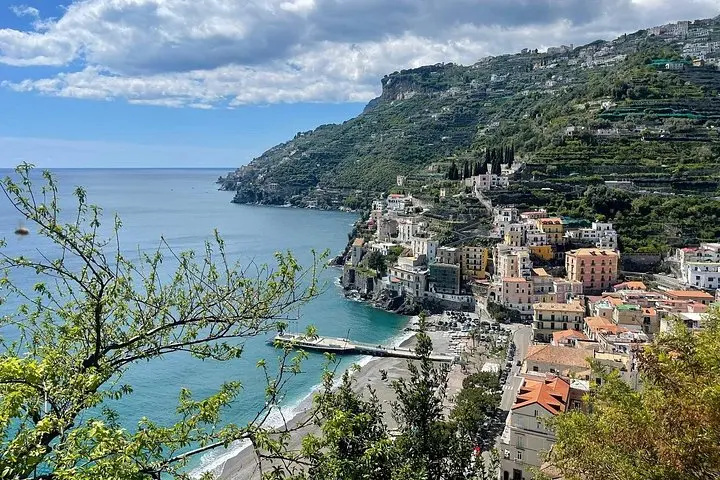
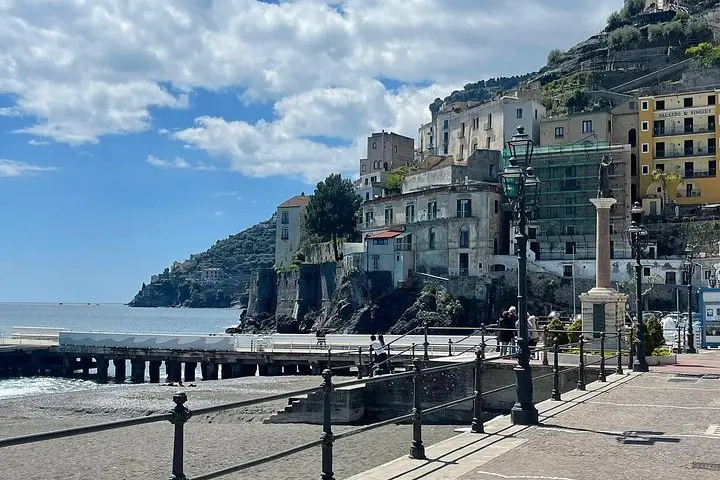
The trail follows the Lemon Path from Ravello toward Maiori, a roughly 3–4 hour route that drops from the hilltop village to the shoreline. Underfoot are stone steps and narrow mule tracks carved into volcanic and marine bedrock; the slope eases in groves where trunks twist and leaves whisper in the breeze. The scent of citrus is constant — bright, sharp, and energizing — punctuated by distant waves and the occasional church bell.
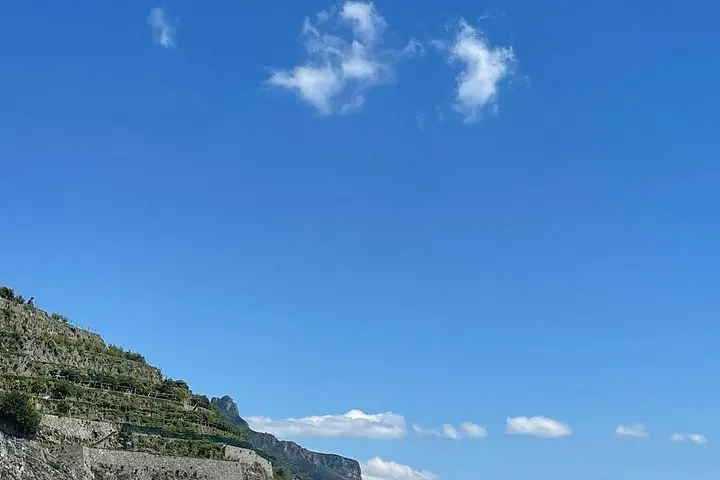
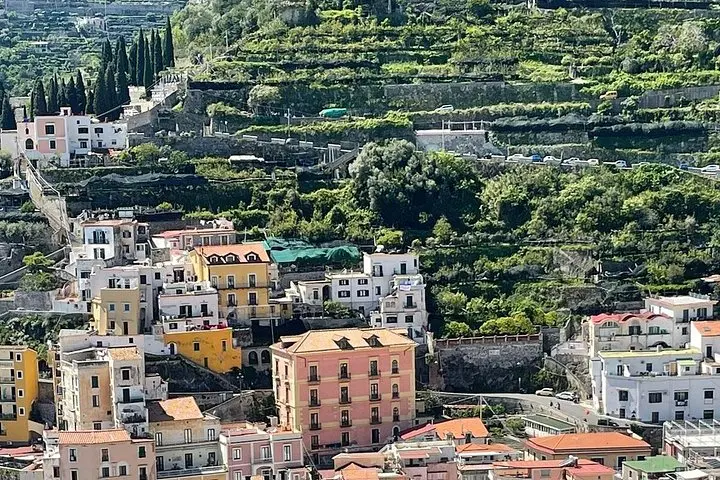
This coast's steep agriculture dates to medieval terracing techniques refined through centuries; lemons became both a cash crop and cultural touchstone by the 18th century, shaping local cuisine and liqueur traditions like Limoncello. Geology here is layered: compacted marine sediments folded with volcanic deposits, producing the cliffs and narrow shelf where towns cling.
Practically, expect roughly 4–6 km of walking with about 300–400 m of elevation loss; the path includes uneven stone steps and loose scree in places. Bring sturdy shoes, sun protection, and water; pace the descent to protect knees. There are informal tasting stops in groves and small producers in Maiori, but plan time for a Limoncello pause and an easy return by local bus or arranged pickup.
Early morning or late afternoon offers cooler light and thinner crowds. Respect private groves, stay on the track, and carry out any waste — the terraced landscape is both fragile and alive.
Yes — the meeting point in Ravello is central and the walk is designed for a 3-hour excursion, but confirm timing with your ship schedule and allow buffer for bus or taxi transfers.
Local tastings of fresh lemon, marmalade, and Limoncello are typically part of the experience, though portions vary and some producers may charge extra — confirm with your operator.
Local SITA buses and ferries (seasonal) serve Amalfi Coast towns; many tours offer private returns. Check schedules in advance — buses can be infrequent off-peak.
No — the trail includes steep stone steps and narrow terraces unsuitable for wheelchairs or strollers.
DivAmalfi Tours operates guided outdoor trips and adventures with an emphasis on safety, stewardship, and memorable experiences.
You step out onto Ravello's Piazza Duomo with sea-salt air already pushing inland, then set off downhill where terraces of lemon trees lean toward the Tyrrhenian like sentries guarding centuries of cultivation.
You step out onto Ravello's Piazza Duomo with sea-salt air already pushing inland, then set off downhill where terraces of lemon trees lean toward the Tyrrhenian like sentries guarding centuries of cultivation.
The trail follows the Lemon Path from Ravello toward Maiori, a roughly 3–4 hour route that drops from the hilltop village to the shoreline. Underfoot are stone steps and narrow mule tracks carved into volcanic and marine bedrock; the slope eases in groves where trunks twist and leaves whisper in the breeze. The scent of citrus is constant — bright, sharp, and energizing — punctuated by distant waves and the occasional church bell.
This coast's steep agriculture dates to medieval terracing techniques refined through centuries; lemons became both a cash crop and cultural touchstone by the 18th century, shaping local cuisine and liqueur traditions like Limoncello. Geology here is layered: compacted marine sediments folded with volcanic deposits, producing the cliffs and narrow shelf where towns cling.
Practically, expect roughly 4–6 km of walking with about 300–400 m of elevation loss; the path includes uneven stone steps and loose scree in places. Bring sturdy shoes, sun protection, and water; pace the descent to protect knees. There are informal tasting stops in groves and small producers in Maiori, but plan time for a Limoncello pause and an easy return by local bus or arranged pickup.
Early morning or late afternoon offers cooler light and thinner crowds. Respect private groves, stay on the track, and carry out any waste — the terraced landscape is both fragile and alive.