THE ADVENTURE COLLECTIVE® · Independent discovery and booking for outdoor travel

Spend a full day between two of Kyoto Prefecture’s coastal icons: the low-lying Funaya boathouses of Ine and the pine-covered sandbar of Amanohashidate. This guided day tour combines a bay cruise, observatory views, temple visits and easy walks.
Spend a full day between two of Kyoto Prefecture’s coastal icons: the low-lying Funaya boathouses of Ine and the pine-covered sandbar of Amanohashidate. This guided day tour combines a bay cruise, observatory views, temple visits and easy walks.
Morning light slices across Miyazu Bay as the coach threads narrow country roads toward a village where houses meet the tide. In Ine, the Funaya—low wooden boathouses with boat-garage ground floors—lean into the water, their weathered planks smelling faintly of salt and cedar. A short dockside coffee grounds you; gulls wheel as the bay dares you to slow down.
Verified experiences and guided adventures in the surrounding area.
Operated by Trevopedia Wonders · Miyazu, Kyoto Prefecture
Morning light slices across Miyazu Bay as the coach threads narrow country roads toward a village where houses meet the tide. In Ine, the Funaya—low wooden boathouses with boat-garage ground floors—lean into the water, their weathered planks smelling faintly of salt and cedar. A short dockside coffee grounds you; gulls wheel as the bay dares you to slow down.
This single-day loop pairs two very different coastal histories: Ine’s vernacular maritime architecture—built over centuries so boats could be ready at any tide—and Amanohashidate, the pine‑studded sandbar long counted among Japan’s Three Scenic Views. Geologically, the sandbar formed from sediment deposition and longshore currents; culturally, it has been a pilgrimage and postcard motif since the Edo period. At Chionji Temple, students still tie omikuji for luck; at the Viewland observatory, the “Matanozoki” backward-peek plays with perspective and scale.
Practical navigation: expect 9–11 hours on a guided itinerary with short walks, a 25-minute sightseeing boat, a cable car ride, and accessible viewpoints. Surfaces range from dock planks and village lanes to paved observation areas and sandy beach. Wear grippy shoes for wet docks, bring sun protection and a light rain layer—weather shifts quickly on the water. Photography is easy but respectful distance preserves local life; many Funaya are private homes.
Plan to arrive early at the meeting point, carry cash for small cafes and shrine offerings, and allow quiet time in Ine to absorb the slow rhythm of bay life before the spectacle of Amanohashidate’s bridge-like pine spine.
The sightseeing boat is typically about 25 minutes, offering close views of the Funaya rows and the bay.
Most Funaya are private homes; you can view them from public docks and observation points but avoid entering without permission.
The itinerary notes wheelchair accessibility for transport and many sites, but boarding the sightseeing boat and some narrow village lanes may present challenges—check specifics with the operator.
Yes—most full-day tours depart from Osaka; Miyazu and Amanohashidate are reachable by train from Kyoto but the guided day tour handles transfers and timing.
Trevopedia Wonders operates guided outdoor trips and adventures with an emphasis on safety, stewardship, and memorable experiences.
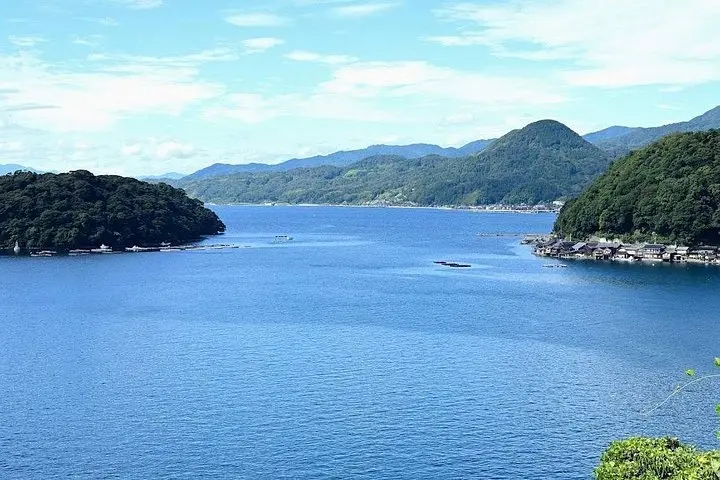
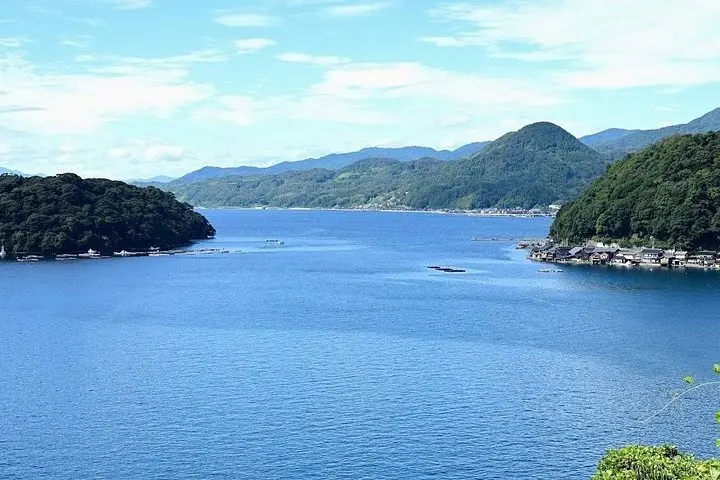
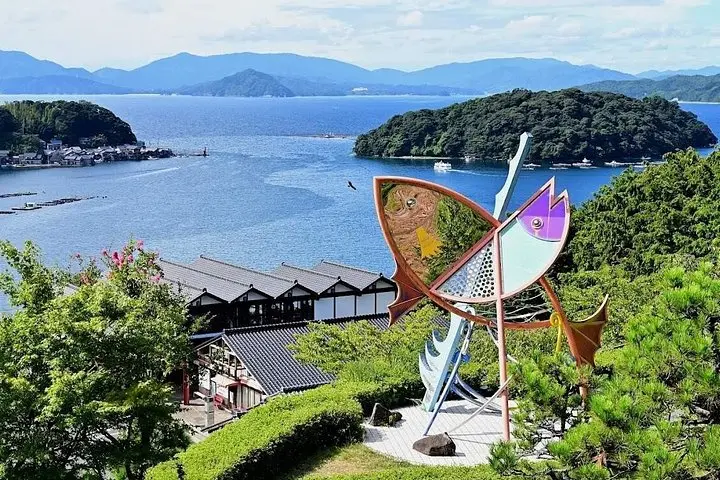
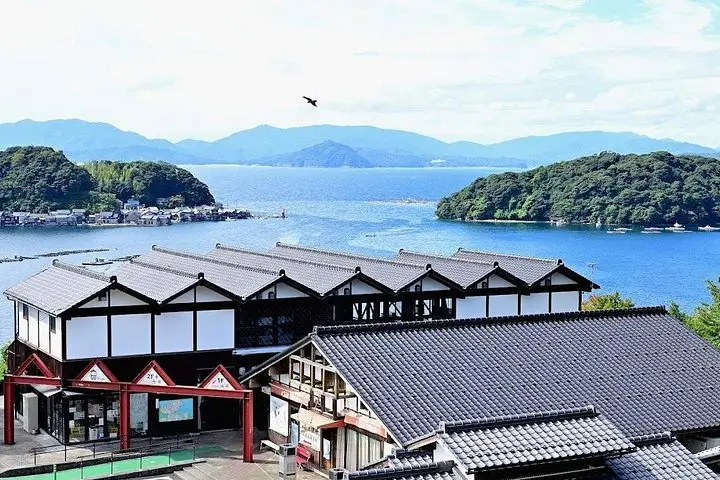
Morning light slices across Miyazu Bay as the coach threads narrow country roads toward a village where houses meet the tide. In Ine, the Funaya—low wooden boathouses with boat-garage ground floors—lean into the water, their weathered planks smelling faintly of salt and cedar. A short dockside coffee grounds you; gulls wheel as the bay dares you to slow down.
Morning light slices across Miyazu Bay as the coach threads narrow country roads toward a village where houses meet the tide. In Ine, the Funaya—low wooden boathouses with boat-garage ground floors—lean into the water, their weathered planks smelling faintly of salt and cedar. A short dockside coffee grounds you; gulls wheel as the bay dares you to slow down.
This single-day loop pairs two very different coastal histories: Ine’s vernacular maritime architecture—built over centuries so boats could be ready at any tide—and Amanohashidate, the pine‑studded sandbar long counted among Japan’s Three Scenic Views. Geologically, the sandbar formed from sediment deposition and longshore currents; culturally, it has been a pilgrimage and postcard motif since the Edo period. At Chionji Temple, students still tie omikuji for luck; at the Viewland observatory, the “Matanozoki” backward-peek plays with perspective and scale.
Practical navigation: expect 9–11 hours on a guided itinerary with short walks, a 25-minute sightseeing boat, a cable car ride, and accessible viewpoints. Surfaces range from dock planks and village lanes to paved observation areas and sandy beach. Wear grippy shoes for wet docks, bring sun protection and a light rain layer—weather shifts quickly on the water. Photography is easy but respectful distance preserves local life; many Funaya are private homes.
Plan to arrive early at the meeting point, carry cash for small cafes and shrine offerings, and allow quiet time in Ine to absorb the slow rhythm of bay life before the spectacle of Amanohashidate’s bridge-like pine spine.