THE ADVENTURE COLLECTIVE® · Independent discovery and booking for outdoor travel

A compact day trip from Osaka that stitches together coastal boathouses, a famed pine‑lined sandbar and a preserved thatched village. Expect flat walks, optional boat and cable‑car rides, and a steady dose of traditional Japanese coastal and mountain culture.
A compact day trip from Osaka that stitches together coastal boathouses, a famed pine‑lined sandbar and a preserved thatched village. Expect flat walks, optional boat and cable‑car rides, and a steady dose of traditional Japanese coastal and mountain culture.
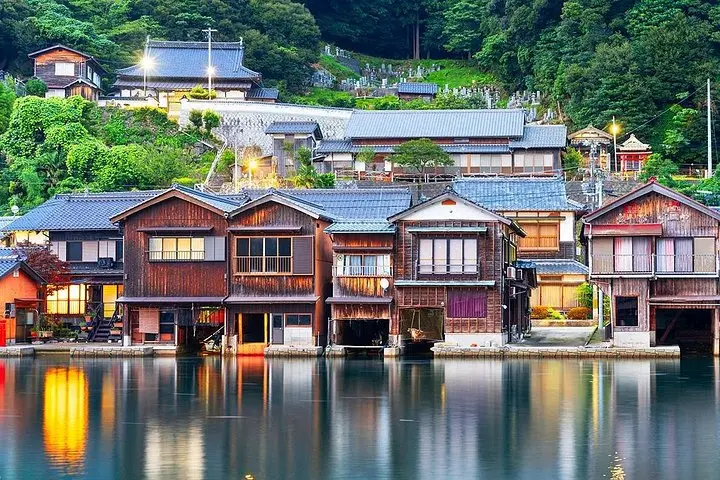
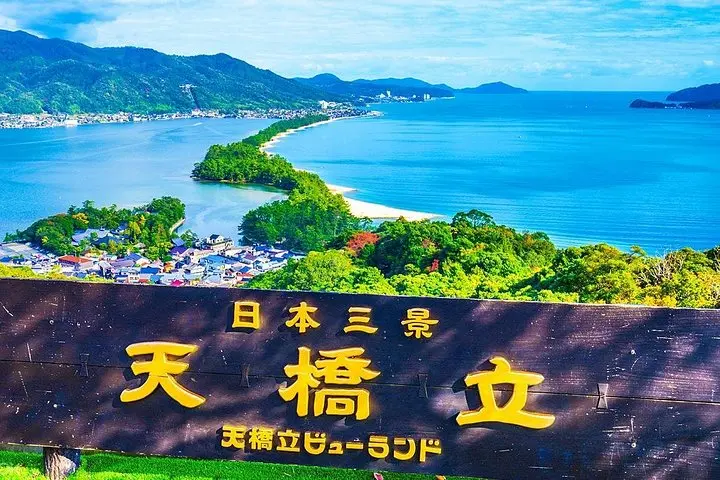
You arrive before dawn in Osaka and the group sets out along the highway toward the northern coastline of Kyoto Prefecture. By midmorning the sea opens up: rows of low wooden boathouses hover over Ine Bay, their faces catching the light while fishing skiffs slip between pilings. Later, a narrow pine‑lined sandbar rises from the water like a green spine—Amanohashidate—offering a walkable ribbon of sea, shrine gates and view parks.
Verified experiences and guided adventures in the surrounding area.
Operated by Trevopedia Wonders · Miyazu, Kyoto Prefecture
You arrive before dawn in Osaka and the group sets out along the highway toward the northern coastline of Kyoto Prefecture. By midmorning the sea opens up: rows of low wooden boathouses hover over Ine Bay, their faces catching the light while fishing skiffs slip between pilings. Later, a narrow pine‑lined sandbar rises from the water like a green spine—Amanohashidate—offering a walkable ribbon of sea, shrine gates and view parks.
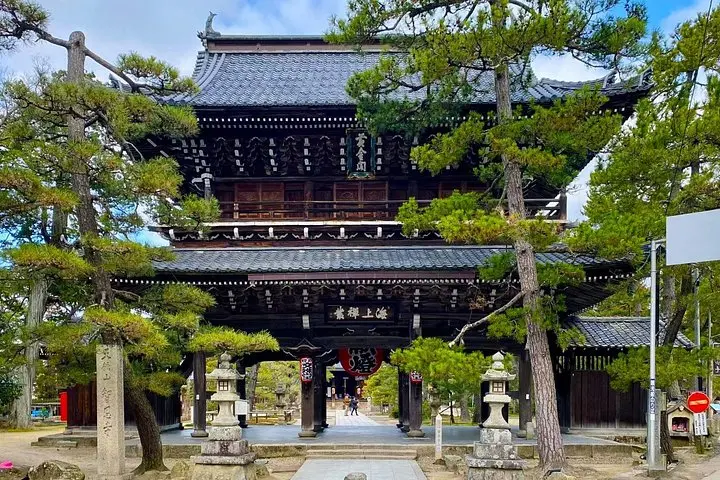
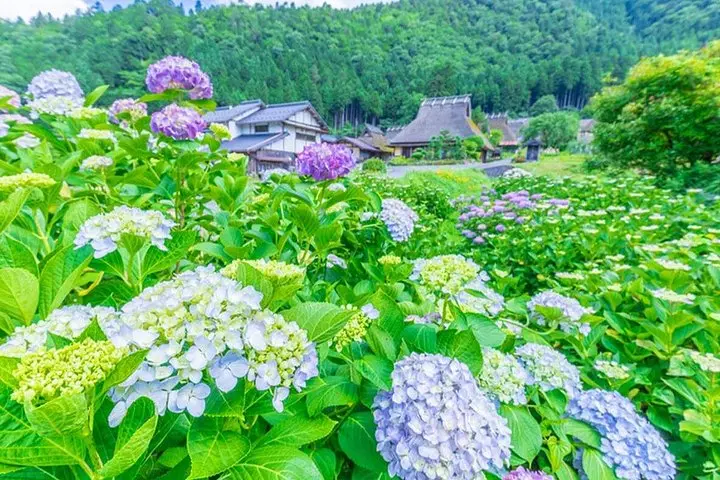
These places are compact lessons in maritime and mountain Japan. Ine’s funaya date to Edo‑period coastal life, built with boat garages below and living rooms above; Amanohashidate has been celebrated as one of Japan’s three best views since medieval travel diaries; and Miyama preserves thatch‑roof craft (kayabuki) that required communal maintenance and seasonal reed harvests.
Expect a mix of short walks, optional boat cruises and a cable car or monorail ride if you choose to pay on site. Terrain is mostly flat at the sandbar, with uneven village streets and some short stairways at viewpoints. Weather off the Sea of Japan can be brisk and changeable; light layers and sturdy shoes make the day more comfortable.
Practical: bring cash for small admissions and lunch, carry water and sun protection, and allow extra time for photo stops. The itinerary is structured but flexible—traffic or capacity at attractions may change the order. For travelers seeking cultural detail and coastal scenery in a single day, this loop through northern Kyoto delivers a clear, walkable snapshot of rural maritime Japan.
Yes—cable car/monorail tickets to View Land are not included and are paid on site (around ¥1,000); the tour provides time to take the ride if you choose.
No—sightseeing cruises or sea taxis in Ine require separate fees paid locally; there are shorter photo cruises and longer options depending on availability.
The tour notes wheelchair and stroller accessibility for transport, but some village streets and viewpoints have uneven surfaces—check with the operator about specific mobility needs.
One small piece of luggage is typically permitted per guest when noted in advance; inform the operator in the special requests when booking to avoid issues.
Trevopedia Wonders operates guided outdoor trips and adventures with an emphasis on safety, stewardship, and memorable experiences.
You arrive before dawn in Osaka and the group sets out along the highway toward the northern coastline of Kyoto Prefecture. By midmorning the sea opens up: rows of low wooden boathouses hover over Ine Bay, their faces catching the light while fishing skiffs slip between pilings. Later, a narrow pine‑lined sandbar rises from the water like a green spine—Amanohashidate—offering a walkable ribbon of sea, shrine gates and view parks.
You arrive before dawn in Osaka and the group sets out along the highway toward the northern coastline of Kyoto Prefecture. By midmorning the sea opens up: rows of low wooden boathouses hover over Ine Bay, their faces catching the light while fishing skiffs slip between pilings. Later, a narrow pine‑lined sandbar rises from the water like a green spine—Amanohashidate—offering a walkable ribbon of sea, shrine gates and view parks.
These places are compact lessons in maritime and mountain Japan. Ine’s funaya date to Edo‑period coastal life, built with boat garages below and living rooms above; Amanohashidate has been celebrated as one of Japan’s three best views since medieval travel diaries; and Miyama preserves thatch‑roof craft (kayabuki) that required communal maintenance and seasonal reed harvests.
Expect a mix of short walks, optional boat cruises and a cable car or monorail ride if you choose to pay on site. Terrain is mostly flat at the sandbar, with uneven village streets and some short stairways at viewpoints. Weather off the Sea of Japan can be brisk and changeable; light layers and sturdy shoes make the day more comfortable.
Practical: bring cash for small admissions and lunch, carry water and sun protection, and allow extra time for photo stops. The itinerary is structured but flexible—traffic or capacity at attractions may change the order. For travelers seeking cultural detail and coastal scenery in a single day, this loop through northern Kyoto delivers a clear, walkable snapshot of rural maritime Japan.