THE ADVENTURE COLLECTIVE® · Independent discovery and booking for outdoor travel

Ride a 3 km sandbar that ancient Japanese poets called a bridge to heaven. This guided e‑bike tour combines easy coastal cycling with lesser‑visited shrines and local history off the main tourist path.
Ride a 3 km sandbar that ancient Japanese poets called a bridge to heaven. This guided e‑bike tour combines easy coastal cycling with lesser‑visited shrines and local history off the main tourist path.
The ride begins with salt air cutting across a 3 km ribbon of sand that juts into Miyazu Bay—Amanohashidate—where cyclists glide between pine-lined beaches and small Shinto shrines.
Verified experiences and guided adventures in the surrounding area.
Operated by Umino Kyoto E-Bikes · Miyazu, Kyoto Prefecture
The ride begins with salt air cutting across a 3 km ribbon of sand that juts into Miyazu Bay—Amanohashidate—where cyclists glide between pine-lined beaches and small Shinto shrines.
This stretch of sand has been celebrated since classical Japan as one of the "Three Views"; legend says the gods used it as a ladder from heaven. Geologically it’s a longshore sandbar formed by tidal currents and sediment from the bay, creating a narrow, low-lying landform fringed by pines and tidal flats.
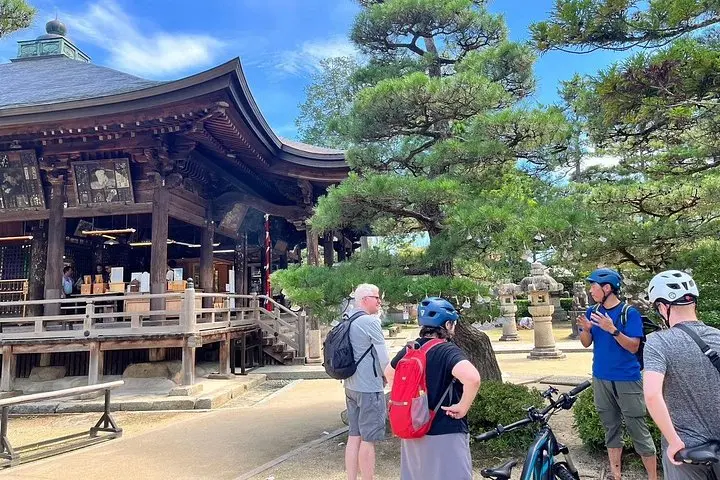
Culturally the area mixes coastal fishing traditions with centuries of pilgrimage: you'll pass thatched-roof shrines, a modest Chion temple, and the preserved mansion of a samurai merchant that hints at the region’s trading past.
Local guides steer riders off the busiest boardwalks to quieter temples and a centuries-old shrine few tourists reach, offering context on local rice-field landscapes and shrine rituals.
Practical guidance: the tour is about 2.5 hours and uses modern electric-assist bikes, so minimal fitness is required but basic balance and road awareness are important. Paths are flat but can be narrow where pedestrians share space—yield and keep speeds low. Bring sun protection, a small daypack for water, and shoes that can handle short sandy stretches. If weather is poor the operator may reschedule; shrine entrances and the Amanohashidate View Land observation deck have separate fees. Expect frequent photo stops, light walking to shrine precincts, and gentle climbs if you choose the viewland option. This ride packs cultural context into an easy, coastal pedal—ideal for travelers who want scenic reward without steep exertion.
No advanced cycling experience is needed—electric assist handles most effort, though riders should be comfortable balancing and following local traffic rules.
Yes, modern e-bikes are provided; operators typically ask for participants’ heights and may set age or minimum height requirements—confirm at booking.
This tour is not recommended for pregnant travelers or those with significant spinal or cardiovascular conditions; check medical suitability before booking.
The operator may cancel or reschedule for adverse weather; check the 24‑hour cancellation policy and contact the provider for options if conditions change.
Umino Kyoto E-Bikes operates guided outdoor trips and adventures with an emphasis on safety, stewardship, and memorable experiences.
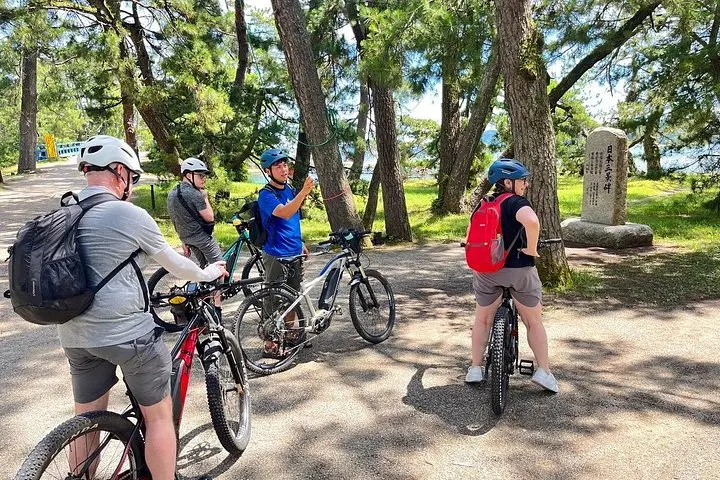
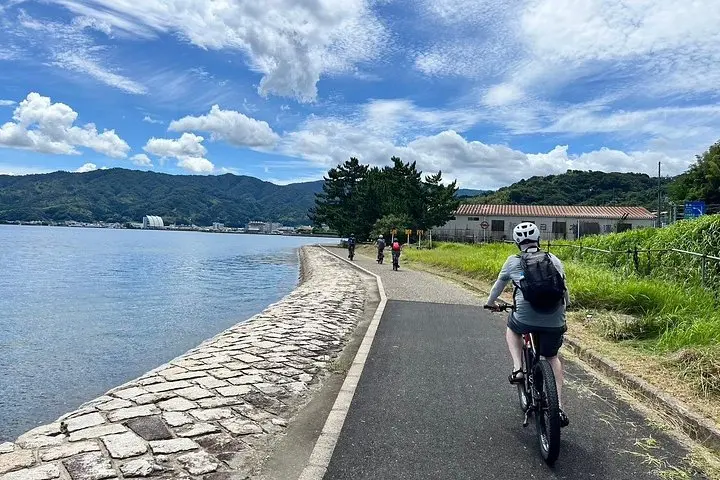
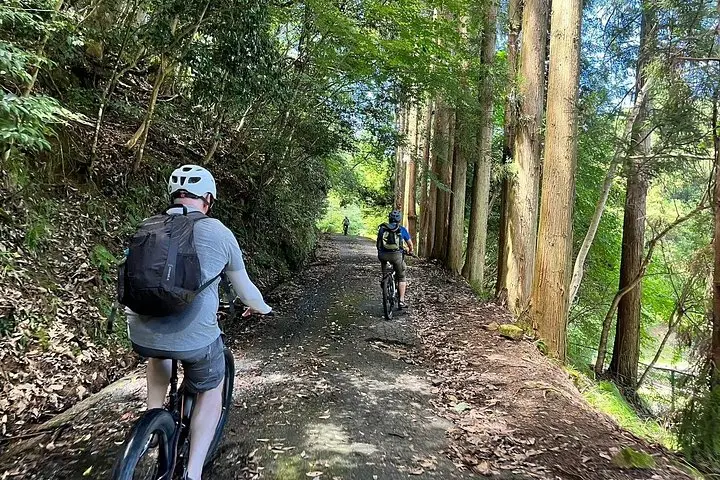
The ride begins with salt air cutting across a 3 km ribbon of sand that juts into Miyazu Bay—Amanohashidate—where cyclists glide between pine-lined beaches and small Shinto shrines.
The ride begins with salt air cutting across a 3 km ribbon of sand that juts into Miyazu Bay—Amanohashidate—where cyclists glide between pine-lined beaches and small Shinto shrines.
This stretch of sand has been celebrated since classical Japan as one of the "Three Views"; legend says the gods used it as a ladder from heaven. Geologically it’s a longshore sandbar formed by tidal currents and sediment from the bay, creating a narrow, low-lying landform fringed by pines and tidal flats.
Culturally the area mixes coastal fishing traditions with centuries of pilgrimage: you'll pass thatched-roof shrines, a modest Chion temple, and the preserved mansion of a samurai merchant that hints at the region’s trading past.
Local guides steer riders off the busiest boardwalks to quieter temples and a centuries-old shrine few tourists reach, offering context on local rice-field landscapes and shrine rituals.
Practical guidance: the tour is about 2.5 hours and uses modern electric-assist bikes, so minimal fitness is required but basic balance and road awareness are important. Paths are flat but can be narrow where pedestrians share space—yield and keep speeds low. Bring sun protection, a small daypack for water, and shoes that can handle short sandy stretches. If weather is poor the operator may reschedule; shrine entrances and the Amanohashidate View Land observation deck have separate fees. Expect frequent photo stops, light walking to shrine precincts, and gentle climbs if you choose the viewland option. This ride packs cultural context into an easy, coastal pedal—ideal for travelers who want scenic reward without steep exertion.