THE ADVENTURE COLLECTIVE® · Independent discovery and booking for outdoor travel

Trace Akhenaten’s lost capital, ride a sleeper train and unwind on a deluxe Nile cruise across pharaonic Egypt. This private 12‑night itinerary pairs big‑name sights with quieter archaeological sites for a fuller picture of ancient Egypt.
Trace Akhenaten’s lost capital, ride a sleeper train and unwind on a deluxe Nile cruise across pharaonic Egypt. This private 12‑night itinerary pairs big‑name sights with quieter archaeological sites for a fuller picture of ancient Egypt.
Dawn in Cairo throws a thin gold edge across the River Nile and the city exhales — a mix of diesel, spice stalls and history. This 12‑night private itinerary moves from the Giza plateau to the lesser‑visited ruins of Amarna and El Minya, then follows the Nile south by sleeper train and deluxe cruise, letting the river pull you through pharaonic landscapes.
Verified experiences and guided adventures in the surrounding area.
Operated by Explore plus Holidays · Cairo, Cairo Governorate
Dawn in Cairo throws a thin gold edge across the River Nile and the city exhales — a mix of diesel, spice stalls and history. This 12‑night private itinerary moves from the Giza plateau to the lesser‑visited ruins of Amarna and El Minya, then follows the Nile south by sleeper train and deluxe cruise, letting the river pull you through pharaonic landscapes.
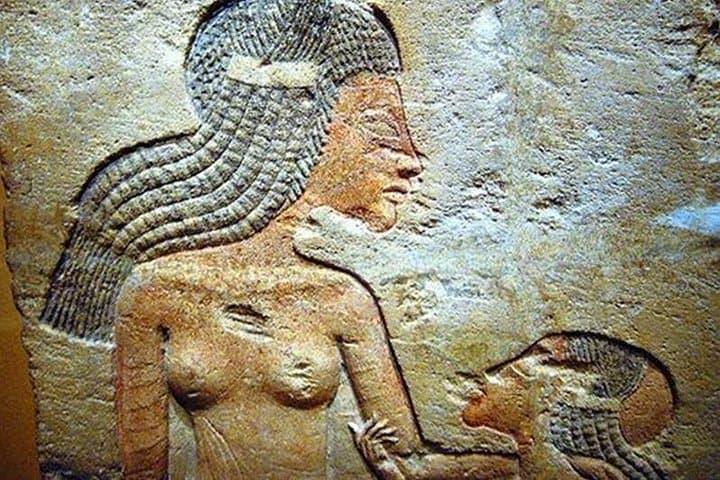
Amarna—Akhenaten’s short‑lived capital—offers exposed mudbrick platforms and rock‑cut tombs where the king reimagined religion. The itinerary stitches together New Kingdom Luxor (Valley of the Kings, Hatshepsut’s mortuary temple), Ptolemaic gems at Edfu and Kom Ombo, and the Nubian edges of Aswan. Geology here is blunt: limestone escarpments, soft sandstone temples eroded by millennia, and the Nile’s alluvial ribbon that sustained these civilizations. Culturally, local Egyptologists frame stories of royal reform, riverine trade, and the modern communities that keep craft and food traditions alive.
Practical edge: expect long days of walking on uneven stone and sand, river breezes on the cruise, and basic sleeper‑train berths for one night. Guides often brief visitors outside tombs (official rules restrict guide entry), so bring a good guidebook or download high‑resolution images for context while inside.
Plan for heat, sun, and crowds at major sites: start early at Luxor, carry a daypack with water, and reserve the Abu Simbel option if you want a dramatic sunrise alignment. The tour is private, so pacing can be flexible — use that to rest between major temple days and let the Nile set the rhythm.
Most itineraries list admissions as separate; confirm at booking. Many major sites require on‑site tickets or e‑tickets and some optional excursions carry extra fees.
Official rules often prevent guides from entering certain tombs; guides typically brief outside and provide context before and after your visit.
Sleeper trains use two‑berth cabins on overnight legs; comfort is basic but efficient—expect shared bathrooms and limited Wi‑Fi or TV service on board.
Tipping is customary for guides, drivers and cruise staff; budget modest daily tips in local currency and tip your Egyptologist guide at trip’s end.
Explore plus Holidays operates guided outdoor trips and adventures with an emphasis on safety, stewardship, and memorable experiences.


Dawn in Cairo throws a thin gold edge across the River Nile and the city exhales — a mix of diesel, spice stalls and history. This 12‑night private itinerary moves from the Giza plateau to the lesser‑visited ruins of Amarna and El Minya, then follows the Nile south by sleeper train and deluxe cruise, letting the river pull you through pharaonic landscapes.
Dawn in Cairo throws a thin gold edge across the River Nile and the city exhales — a mix of diesel, spice stalls and history. This 12‑night private itinerary moves from the Giza plateau to the lesser‑visited ruins of Amarna and El Minya, then follows the Nile south by sleeper train and deluxe cruise, letting the river pull you through pharaonic landscapes.
Amarna—Akhenaten’s short‑lived capital—offers exposed mudbrick platforms and rock‑cut tombs where the king reimagined religion. The itinerary stitches together New Kingdom Luxor (Valley of the Kings, Hatshepsut’s mortuary temple), Ptolemaic gems at Edfu and Kom Ombo, and the Nubian edges of Aswan. Geology here is blunt: limestone escarpments, soft sandstone temples eroded by millennia, and the Nile’s alluvial ribbon that sustained these civilizations. Culturally, local Egyptologists frame stories of royal reform, riverine trade, and the modern communities that keep craft and food traditions alive.
Practical edge: expect long days of walking on uneven stone and sand, river breezes on the cruise, and basic sleeper‑train berths for one night. Guides often brief visitors outside tombs (official rules restrict guide entry), so bring a good guidebook or download high‑resolution images for context while inside.
Plan for heat, sun, and crowds at major sites: start early at Luxor, carry a daypack with water, and reserve the Abu Simbel option if you want a dramatic sunrise alignment. The tour is private, so pacing can be flexible — use that to rest between major temple days and let the Nile set the rhythm.