THE ADVENTURE COLLECTIVE® · Independent discovery and booking for outdoor travel

Three days that pair engineering and empire: wake with the Nile in Aswan, watch Abu Simbel at sunrise, then ride the train to Luxor to explore Karnak and the Valley of the Kings. This guided loop balances big sights with practical logistics for first-time visitors to Upper Egypt.
Three days that pair engineering and empire: wake with the Nile in Aswan, watch Abu Simbel at sunrise, then ride the train to Luxor to explore Karnak and the Valley of the Kings. This guided loop balances big sights with practical logistics for first-time visitors to Upper Egypt.
Dawn on the Nile arrives slow and gold: the river pushes light across Aswan’s quay while motorboats hum like patient bees. On day one travelers step off shaded streets into wide vistas of engineering and empire — the High Dam’s concrete spine, the pockmarked granite of the Unfinished Obelisk — each with a physical presence that makes history tactile.
Verified experiences and guided adventures in the surrounding area.
Operated by Egypt Travel Line · Aswan, Aswan Governorate
Dawn on the Nile arrives slow and gold: the river pushes light across Aswan’s quay while motorboats hum like patient bees. On day one travelers step off shaded streets into wide vistas of engineering and empire — the High Dam’s concrete spine, the pockmarked granite of the Unfinished Obelisk — each with a physical presence that makes history tactile.
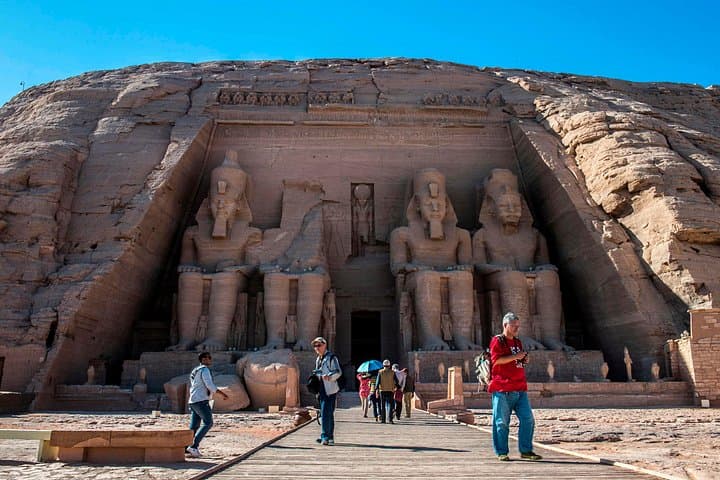
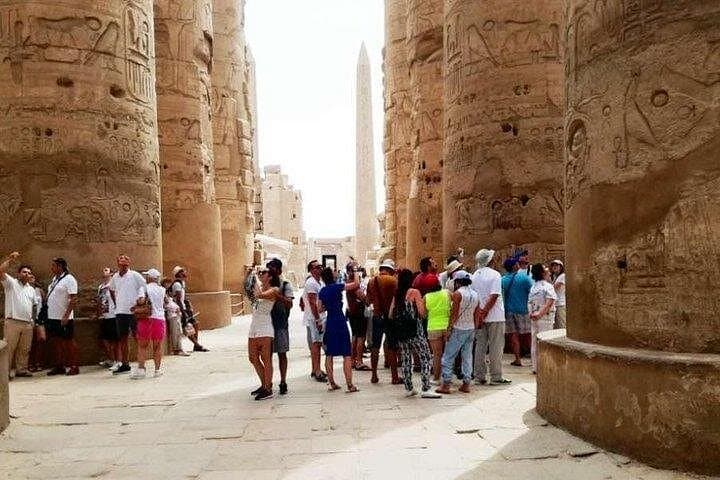
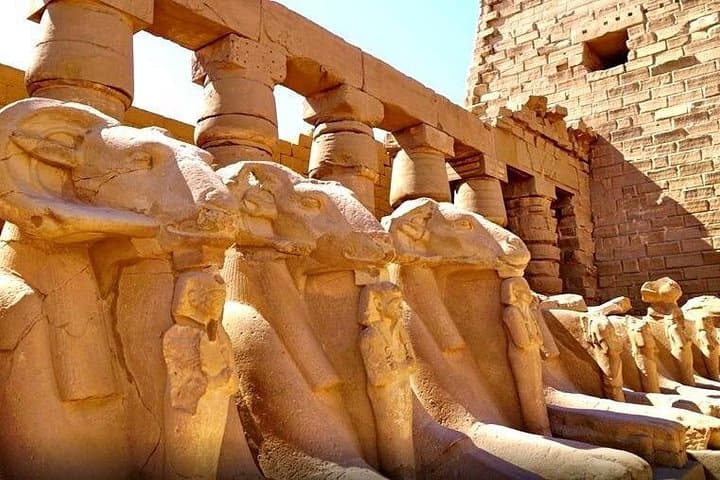
Over three days the route threads Pharaoh-era stone and modern transport: a sunrise convoy to Abu Simbel where Ramses II’s colossi stare down the desert, a first-class train ride westward to Luxor, then the East and West Banks where Karnak and the Valley of the Kings keep their secrets beneath painted ceilings. Geology is obvious here — Nubian granite gives Aswan its heft while Luxor’s limestone and sandstone hosted the carvers who recorded dynasties in hieroglyphs. Culturally the region remains a living crossroads: Nubian villages, Bedouin trade routes, and the Nile’s ferrying rhythm.
Practicalities are straightforward: expect long walking days and high sun; many sites require steps and uneven floors. Early starts to Abu Simbel beat heat and crowds; bring breathing room for museum lines and site admissions. Dress conservatively and in layers for cool mornings and blistering afternoons, carry a refillable water bottle, and keep cash for smaller purchases and tips. Guides handle logistics — train tickets, transfers, and most admissions — but comfortable shoes, sun protection, and patience make the difference between seeing and experiencing these ancient places.
Major sites often sell limited daily entries; this guided tour includes key admissions and handles logistics, but double-check for optional extra tomb tickets which may cost more on site.
The included first-class train between Aswan and Luxor offers reserved seating and basic amenities; bring a light layer for air-conditioning and keep valuables with you.
Some areas have ramps and assistance, but many tombs and temples involve steps and narrow passages; confirm wheelchair needs ahead of booking and note that some interiors remain difficult to access.
Carry Egyptian pounds for gratuities and small purchases; tipping is customary — guides and drivers typically expect modest tips at the end of each day.
Egypt Travel Line operates guided outdoor trips and adventures with an emphasis on safety, stewardship, and memorable experiences.
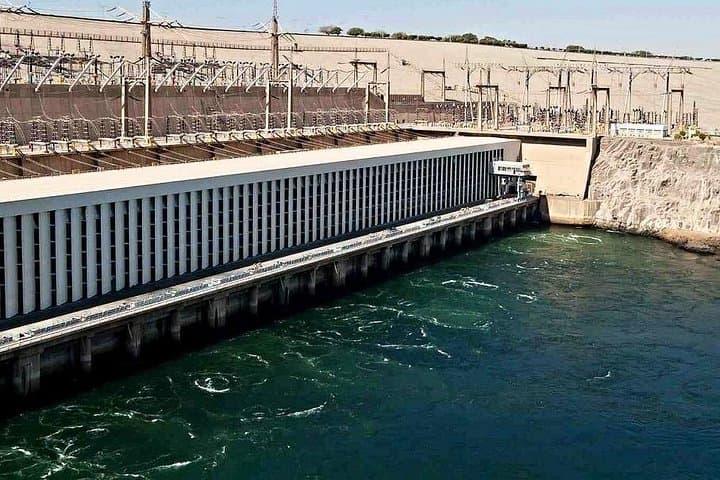
Dawn on the Nile arrives slow and gold: the river pushes light across Aswan’s quay while motorboats hum like patient bees. On day one travelers step off shaded streets into wide vistas of engineering and empire — the High Dam’s concrete spine, the pockmarked granite of the Unfinished Obelisk — each with a physical presence that makes history tactile.
Dawn on the Nile arrives slow and gold: the river pushes light across Aswan’s quay while motorboats hum like patient bees. On day one travelers step off shaded streets into wide vistas of engineering and empire — the High Dam’s concrete spine, the pockmarked granite of the Unfinished Obelisk — each with a physical presence that makes history tactile.
Over three days the route threads Pharaoh-era stone and modern transport: a sunrise convoy to Abu Simbel where Ramses II’s colossi stare down the desert, a first-class train ride westward to Luxor, then the East and West Banks where Karnak and the Valley of the Kings keep their secrets beneath painted ceilings. Geology is obvious here — Nubian granite gives Aswan its heft while Luxor’s limestone and sandstone hosted the carvers who recorded dynasties in hieroglyphs. Culturally the region remains a living crossroads: Nubian villages, Bedouin trade routes, and the Nile’s ferrying rhythm.
Practicalities are straightforward: expect long walking days and high sun; many sites require steps and uneven floors. Early starts to Abu Simbel beat heat and crowds; bring breathing room for museum lines and site admissions. Dress conservatively and in layers for cool mornings and blistering afternoons, carry a refillable water bottle, and keep cash for smaller purchases and tips. Guides handle logistics — train tickets, transfers, and most admissions — but comfortable shoes, sun protection, and patience make the difference between seeing and experiencing these ancient places.