THE ADVENTURE COLLECTIVE® · Independent discovery and booking for outdoor travel

Walk ancient valleys, visit hilltop dzongs and hike to the cliffside Tiger’s Nest on a compact seven-day loop through Paro, Thimphu, Phobjikha and Punakha. Expect steady drives, steep temple climbs and rich cultural encounters paired with high Himalayan views.
Walk ancient valleys, visit hilltop dzongs and hike to the cliffside Tiger’s Nest on a compact seven-day loop through Paro, Thimphu, Phobjikha and Punakha. Expect steady drives, steep temple climbs and rich cultural encounters paired with high Himalayan views.
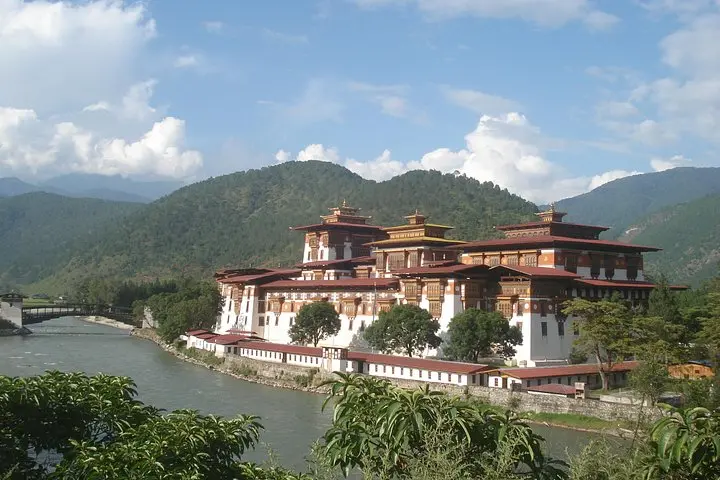
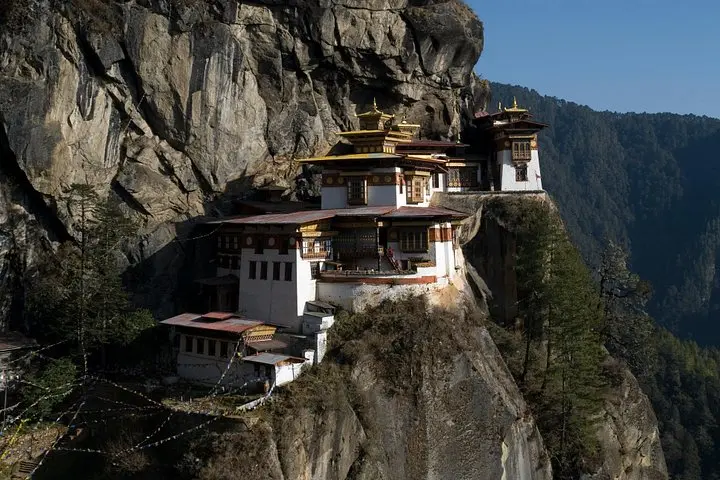
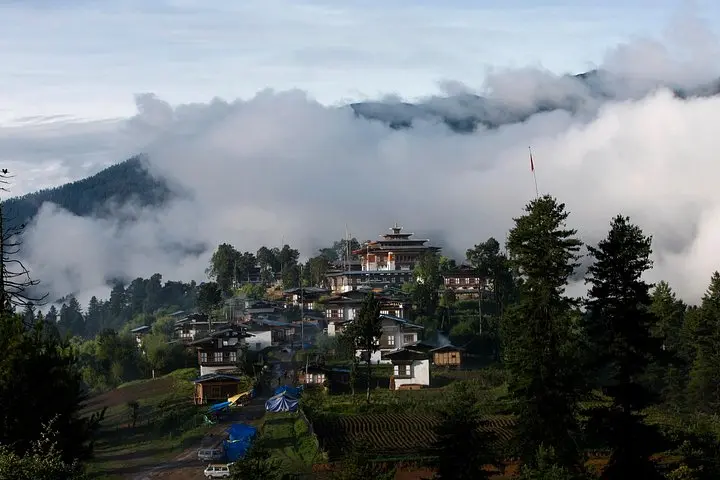
You step out of the plane into a valley of cool, thin air and prayer flags snapping at the wind. Paro’s rim of green terraces and stone roofs feels immediate — a Himalayan doorway that leads straight into Bhutan’s highland culture. Over seven days the itinerary threads through Thimphu’s busy market streets, the quiet wetlands of Phobjikha, the river confluence at Punakha and the cliff-perched Tiger’s Nest above Paro.
Verified experiences and guided adventures in the surrounding area.
Operated by Heavenly Bhutan · Paro, Paro District
You step out of the plane into a valley of cool, thin air and prayer flags snapping at the wind. Paro’s rim of green terraces and stone roofs feels immediate — a Himalayan doorway that leads straight into Bhutan’s highland culture. Over seven days the itinerary threads through Thimphu’s busy market streets, the quiet wetlands of Phobjikha, the river confluence at Punakha and the cliff-perched Tiger’s Nest above Paro.
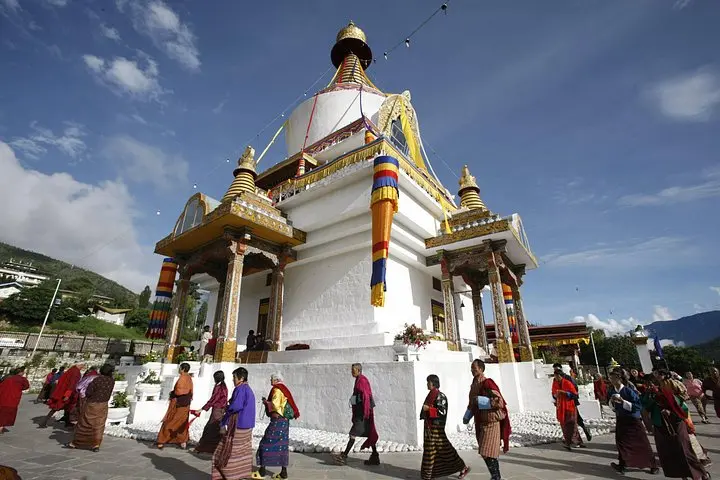
Geology here is dramatic: uplifted strata of the eastern Himalaya carve deep valleys and sharp ridgelines, with glacially fed rivers that cut bright corridors through terraced fields. History is visible in the fortress-dzongs — administrative monasteries built in the 17th century — and in Paro’s Ta Dzong museum, which preserves artifacts of a kingdom that opened to limited tourism only in the 1970s. Buddhism shapes daily life; mani walls, prayer wheels and monks’ chants punctuate the route.
Practical guidance: altitude ranges from ~2,200–3,000 m; pace your first days, hydrate, and carry layers for rapid temperature swings. The Tiger’s Nest is steep and requires 3–5 hours round-trip depending on fitness; start early to avoid crowds and conserve energy for steep stone steps. Footwear with good tread and ankle support matters on wet or rocky trails. Respect dress codes at temples (shoulders and knees covered) and accept local customs — a simple bow or offering is appreciated.
Daily drive times are moderate (1–4 hours); expect basic to comfortable hotels, a couple of long hikes, and opportunities for farmhouse visits and wildlife viewing. This trip balances cultural immersion with steady, scenic walking — practical, deliberate, and quietly powerful.
Yes — most visitors require a Bhutan visa which is arranged by your tour operator and the required Sustainable Development Fee is included in the tour package details.
The hike is steep with stone stair sections and takes 3–5 hours round-trip depending on fitness; no technical skills are required but good cardiovascular fitness and steady footing are important.
The Bhutanese Ngultrum (BTN) is used; major hotels accept cards in towns but carry cash for rural markets and small purchases.
This tour lists hotels and most meals as included (breakfast each day and several lunches/dinners); confirm specifics with the operator when booking.
Heavenly Bhutan operates guided outdoor trips and adventures with an emphasis on safety, stewardship, and memorable experiences.
You step out of the plane into a valley of cool, thin air and prayer flags snapping at the wind. Paro’s rim of green terraces and stone roofs feels immediate — a Himalayan doorway that leads straight into Bhutan’s highland culture. Over seven days the itinerary threads through Thimphu’s busy market streets, the quiet wetlands of Phobjikha, the river confluence at Punakha and the cliff-perched Tiger’s Nest above Paro.
You step out of the plane into a valley of cool, thin air and prayer flags snapping at the wind. Paro’s rim of green terraces and stone roofs feels immediate — a Himalayan doorway that leads straight into Bhutan’s highland culture. Over seven days the itinerary threads through Thimphu’s busy market streets, the quiet wetlands of Phobjikha, the river confluence at Punakha and the cliff-perched Tiger’s Nest above Paro.
Geology here is dramatic: uplifted strata of the eastern Himalaya carve deep valleys and sharp ridgelines, with glacially fed rivers that cut bright corridors through terraced fields. History is visible in the fortress-dzongs — administrative monasteries built in the 17th century — and in Paro’s Ta Dzong museum, which preserves artifacts of a kingdom that opened to limited tourism only in the 1970s. Buddhism shapes daily life; mani walls, prayer wheels and monks’ chants punctuate the route.
Practical guidance: altitude ranges from ~2,200–3,000 m; pace your first days, hydrate, and carry layers for rapid temperature swings. The Tiger’s Nest is steep and requires 3–5 hours round-trip depending on fitness; start early to avoid crowds and conserve energy for steep stone steps. Footwear with good tread and ankle support matters on wet or rocky trails. Respect dress codes at temples (shoulders and knees covered) and accept local customs — a simple bow or offering is appreciated.
Daily drive times are moderate (1–4 hours); expect basic to comfortable hotels, a couple of long hikes, and opportunities for farmhouse visits and wildlife viewing. This trip balances cultural immersion with steady, scenic walking — practical, deliberate, and quietly powerful.