THE ADVENTURE COLLECTIVE® · Independent discovery and booking for outdoor travel

A compact 2-night journey into North Sikkim that connects Gangtok to Lachen, Gurudongmar Lake and Yumthang Valley. Expect high roads, sacred lakes, alpine flowers in spring and strict permit rules near the border.
A compact 2-night journey into North Sikkim that connects Gangtok to Lachen, Gurudongmar Lake and Yumthang Valley. Expect high roads, sacred lakes, alpine flowers in spring and strict permit rules near the border.
Morning light spills across steep ridgelines as the convoy peels away from Gangtok and climbs into the high valleys of North Sikkim. Snow-tipped peaks compel a quiet; the river channels below push cold air up through deep gullies while rhododendron stands shoulder the road. The itinerary moves fast: Lachen’s small settlement gives way to the high-altitude stillness of Gurudongmar Lake, then to the flower-carpeted sweep of Yumthang and the monastery calm of Lachung.
Verified experiences and guided adventures in the surrounding area.
Operated by Triplounger Sikkim · Gangtok, Sikkim
Morning light spills across steep ridgelines as the convoy peels away from Gangtok and climbs into the high valleys of North Sikkim. Snow-tipped peaks compel a quiet; the river channels below push cold air up through deep gullies while rhododendron stands shoulder the road. The itinerary moves fast: Lachen’s small settlement gives way to the high-altitude stillness of Gurudongmar Lake, then to the flower-carpeted sweep of Yumthang and the monastery calm of Lachung.
This terrain sits within Khangchendzonga National Park, a UNESCO biosphere marked by glacially carved valleys and dramatic uplifted strata of the eastern Himalaya. The local Lepcha and Bhutia communities maintain strong cultural ties to the land and to sacred lakes like Gurudongmar; many sites require permits because the region borders sensitive frontier zones.
Practicalities matter here: expect long, bumpy drives over 100+ kilometers of mountain roads, short steep walks at altitude (above 3,500 m/11,000 ft), and sharp temperature swings between day and night. Travelers should arrive acclimatized, bring layered insulation, and plan early starts for best light and road access. Permits are required for North Sikkim and are stricter for foreign nationals—confirm details before booking.
Pack for wind, cold, and sun in equal measure, keep hydrated to aid acclimatization, and allow extra time for road delays. The route rewards patience: high lakes that mirror the sky, alpine meadows pressed with primulas in spring, and small villages where mountain life still dictates the clock.
Yes—Protected Area Permits are required for north Sikkim; foreign nationals should confirm current rules with authorities or tour operator prior to travel.
Gurudongmar is around 3,600–3,700 m (≈11,800 ft); some visitors experience mild symptoms—acclimatize in Gangtok, ascend slowly, hydrate and rest if needed.
Roads are generally passable most of the year but can be narrow, winding and affected by landslides or snow—seasonal delays are common.
Late April to mid-June is peak bloom for primulas and rhododendrons, when the valley is most colorful.
Triplounger Sikkim operates guided outdoor trips and adventures with an emphasis on safety, stewardship, and memorable experiences.
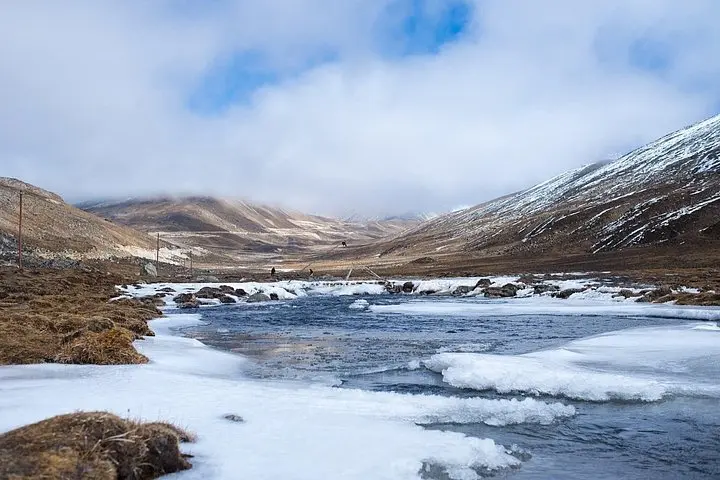
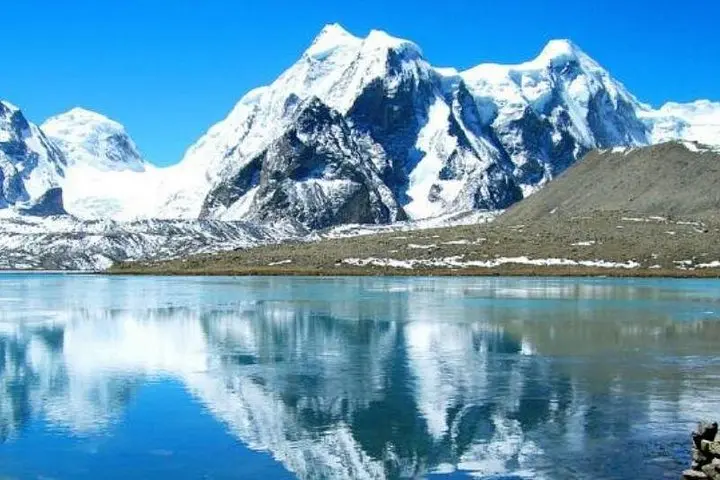
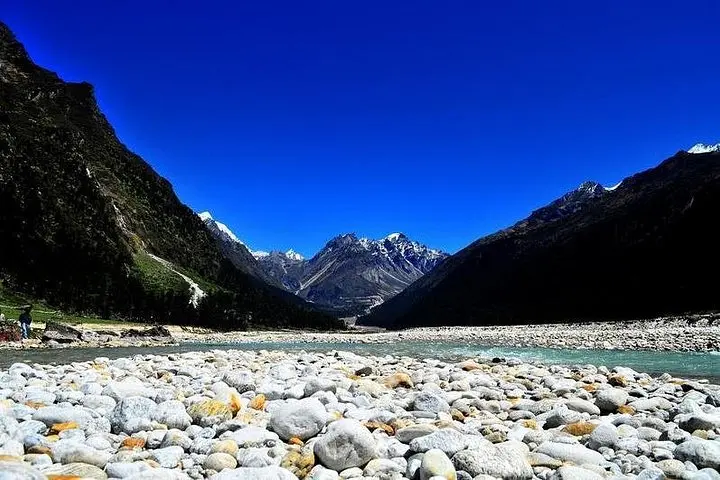
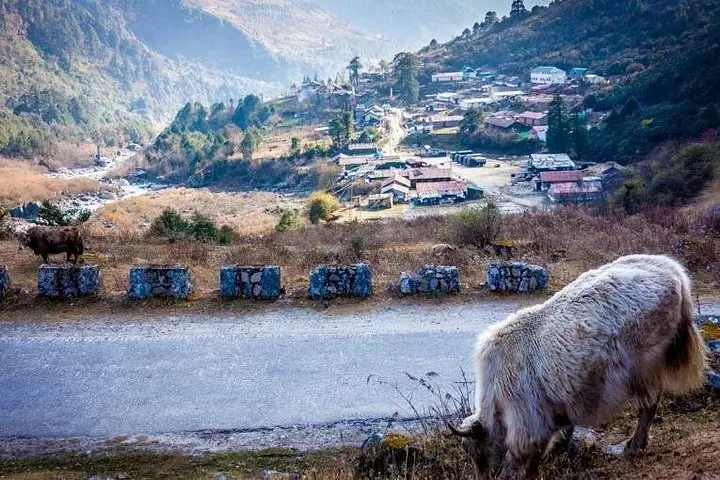
Morning light spills across steep ridgelines as the convoy peels away from Gangtok and climbs into the high valleys of North Sikkim. Snow-tipped peaks compel a quiet; the river channels below push cold air up through deep gullies while rhododendron stands shoulder the road. The itinerary moves fast: Lachen’s small settlement gives way to the high-altitude stillness of Gurudongmar Lake, then to the flower-carpeted sweep of Yumthang and the monastery calm of Lachung.
Morning light spills across steep ridgelines as the convoy peels away from Gangtok and climbs into the high valleys of North Sikkim. Snow-tipped peaks compel a quiet; the river channels below push cold air up through deep gullies while rhododendron stands shoulder the road. The itinerary moves fast: Lachen’s small settlement gives way to the high-altitude stillness of Gurudongmar Lake, then to the flower-carpeted sweep of Yumthang and the monastery calm of Lachung.
This terrain sits within Khangchendzonga National Park, a UNESCO biosphere marked by glacially carved valleys and dramatic uplifted strata of the eastern Himalaya. The local Lepcha and Bhutia communities maintain strong cultural ties to the land and to sacred lakes like Gurudongmar; many sites require permits because the region borders sensitive frontier zones.
Practicalities matter here: expect long, bumpy drives over 100+ kilometers of mountain roads, short steep walks at altitude (above 3,500 m/11,000 ft), and sharp temperature swings between day and night. Travelers should arrive acclimatized, bring layered insulation, and plan early starts for best light and road access. Permits are required for North Sikkim and are stricter for foreign nationals—confirm details before booking.
Pack for wind, cold, and sun in equal measure, keep hydrated to aid acclimatization, and allow extra time for road delays. The route rewards patience: high lakes that mirror the sky, alpine meadows pressed with primulas in spring, and small villages where mountain life still dictates the clock.