THE ADVENTURE COLLECTIVE® · Independent discovery and booking for outdoor travel
Swap Iquitos for river skies and primary forest on a four-day Yarapa River expedition. Expect dawn birding, canoeing, night walks, communal-camp stays, and close encounters with dolphins, monkeys, and caimans.
Swap Iquitos for river skies and primary forest on a four-day Yarapa River expedition. Expect dawn birding, canoeing, night walks, communal-camp stays, and close encounters with dolphins, monkeys, and caimans.
The first light on the Yarapa River cuts through humid air like a soft blade; boats chug, and the forest answers with a chorus of toucans and distant howls. On this four-day circuit from Iquitos, travelers move from dirt road to river lane, trading city noise for the heavy, breathing green of primary forest and slow oxbow lakes.
Verified experiences and guided adventures in the surrounding area.
Operated by jimmy jaguar travel · Iquitos, Loreto
The first light on the Yarapa River cuts through humid air like a soft blade; boats chug, and the forest answers with a chorus of toucans and distant howls. On this four-day circuit from Iquitos, travelers move from dirt road to river lane, trading city noise for the heavy, breathing green of primary forest and slow oxbow lakes.
The trip threads the Marañón and Ucayali waterways—two major tributaries that shape the upper Amazon—into a route that reaches communal reserves where indigenous families manage forest plots. Geologically the region is lowland alluvial plain, sculpted by seasonal flooding that creates lakes, marshes, and the giant water lily beds this tour visits. Locally, river communities maintain a mix of subsistence fishing and small-scale guiding; the experience blends natural history with living culture rather than staged encounters.
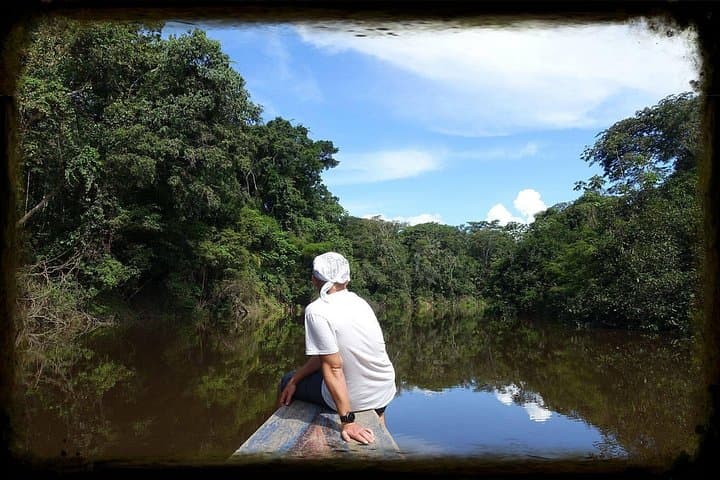
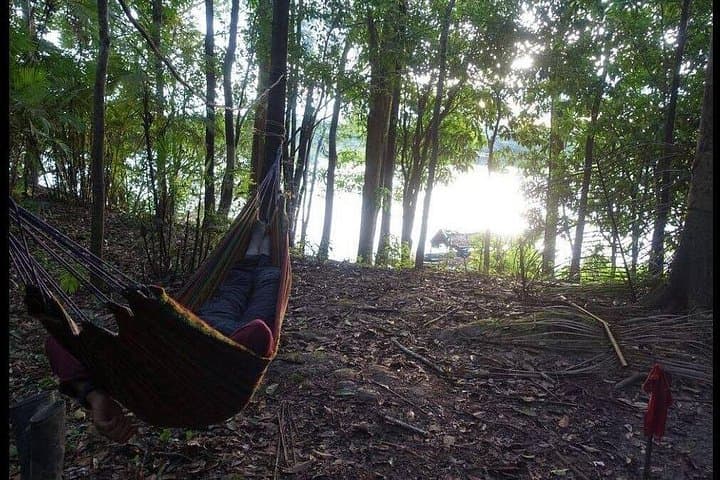
Expect guided dawn birding, day hikes on compacted leaf litter and roots, canoeing down narrow channels, and night excursions that spotlight frogs, caimans, and nocturnal mammals. Camps are basic: hammocks or platform tents, shared facilities, and meals of rice, plantain and fresh fish when available.
Practical notes: travel light, use a high-capacity water carrier and filter tablets, and plan for mosquitoes and sudden rain. Sturdy quick-dry footwear with ankle support helps on muddy trails; a headlamp makes night walks manageable. Guides handle navigation and boat operations, but participants should be comfortable stepping from boat to bank and sitting in small canoes for hours. With preparation, the route rewards patience with close wildlife sightings and an intimate sense of the river’s slow, relentless motion.
Older children who are comfortable with long boat rides, outdoor sleeping and basic camp conditions can join, but families should consult the operator about specific ages and safety arrangements.
Travelers should consult a travel clinic for recommended vaccinations and discuss malaria prevention; common advice includes routine immunizations and region-specific guidance.
Accommodations are basic communal camp platforms or hammocks with shared facilities and guide-prepared meals—expect rustic comfort rather than lodgelike amenities.
Power is limited; some camps offer solar charging for small devices but bring battery banks and waterproof cases as backups.
jimmy jaguar travel operates guided outdoor trips and adventures with an emphasis on safety, stewardship, and memorable experiences.
The first light on the Yarapa River cuts through humid air like a soft blade; boats chug, and the forest answers with a chorus of toucans and distant howls. On this four-day circuit from Iquitos, travelers move from dirt road to river lane, trading city noise for the heavy, breathing green of primary forest and slow oxbow lakes.
The first light on the Yarapa River cuts through humid air like a soft blade; boats chug, and the forest answers with a chorus of toucans and distant howls. On this four-day circuit from Iquitos, travelers move from dirt road to river lane, trading city noise for the heavy, breathing green of primary forest and slow oxbow lakes.
The trip threads the Marañón and Ucayali waterways—two major tributaries that shape the upper Amazon—into a route that reaches communal reserves where indigenous families manage forest plots. Geologically the region is lowland alluvial plain, sculpted by seasonal flooding that creates lakes, marshes, and the giant water lily beds this tour visits. Locally, river communities maintain a mix of subsistence fishing and small-scale guiding; the experience blends natural history with living culture rather than staged encounters.
Expect guided dawn birding, day hikes on compacted leaf litter and roots, canoeing down narrow channels, and night excursions that spotlight frogs, caimans, and nocturnal mammals. Camps are basic: hammocks or platform tents, shared facilities, and meals of rice, plantain and fresh fish when available.
Practical notes: travel light, use a high-capacity water carrier and filter tablets, and plan for mosquitoes and sudden rain. Sturdy quick-dry footwear with ankle support helps on muddy trails; a headlamp makes night walks manageable. Guides handle navigation and boat operations, but participants should be comfortable stepping from boat to bank and sitting in small canoes for hours. With preparation, the route rewards patience with close wildlife sightings and an intimate sense of the river’s slow, relentless motion.
