THE ADVENTURE COLLECTIVE® · Independent discovery and booking for outdoor travel

Head out from Iquitos for a three-hour, guide-led piranha fishing trip that mixes hands-on casting with close riverside ecology. You’ll fish from a wooden skiff, learn local techniques, and see the Amazon’s riverine life up close.
Head out from Iquitos for a three-hour, guide-led piranha fishing trip that mixes hands-on casting with close riverside ecology. You’ll fish from a wooden skiff, learn local techniques, and see the Amazon’s riverine life up close.
You push off at dawn from the riverfront in Iquitos, motor ticking as the city’s heat gives way to the cool, humid sigh of the Amazon. The boat cuts low across brown water; tangles of fallen timber and overhanging palms crowd the banks, and the guide—local and steady-handed—reads the river like a map.
Verified experiences and guided adventures in the surrounding area.
Operated by Yakumama Amazon Tours · Iquitos, Loreto
You push off at dawn from the riverfront in Iquitos, motor ticking as the city’s heat gives way to the cool, humid sigh of the Amazon. The boat cuts low across brown water; tangles of fallen timber and overhanging palms crowd the banks, and the guide—local and steady-handed—reads the river like a map.
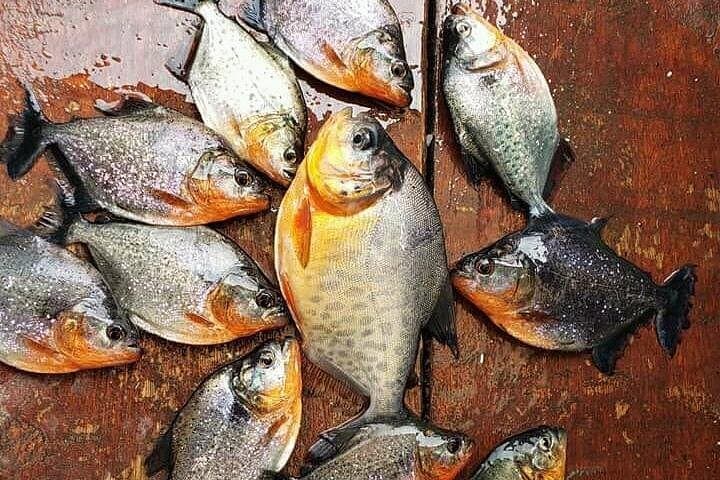
Piranhas are the attraction, but the river is the story. Geologically the Amazon is a broad alluvial plain, its channels shifting with the seasons, carving slim beaches and labyrinthine oxbows. For centuries, Indigenous communities and ribereños have fished these waters with artisanal gear; the red-bellied piranha is as much a cultural figure as a species—feared in legend, well-understood in practice.
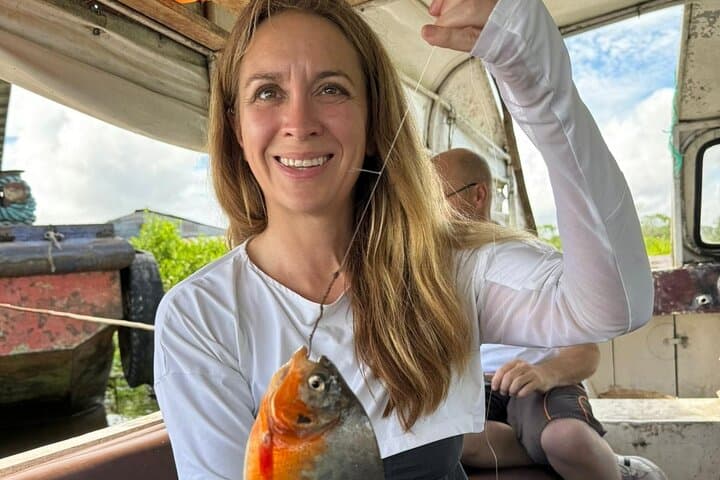
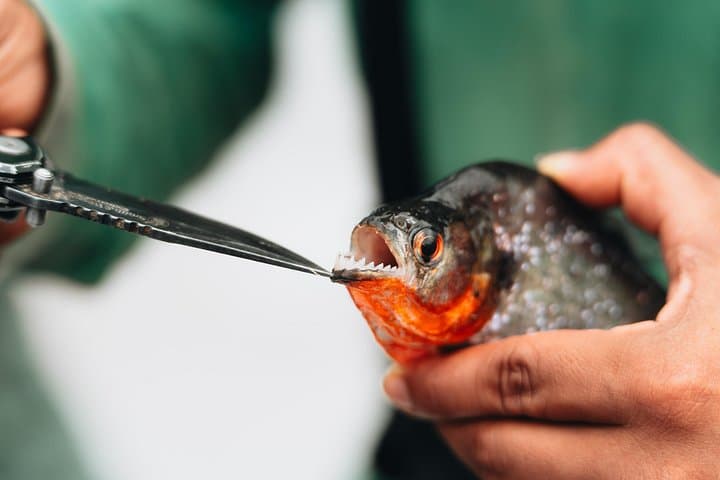
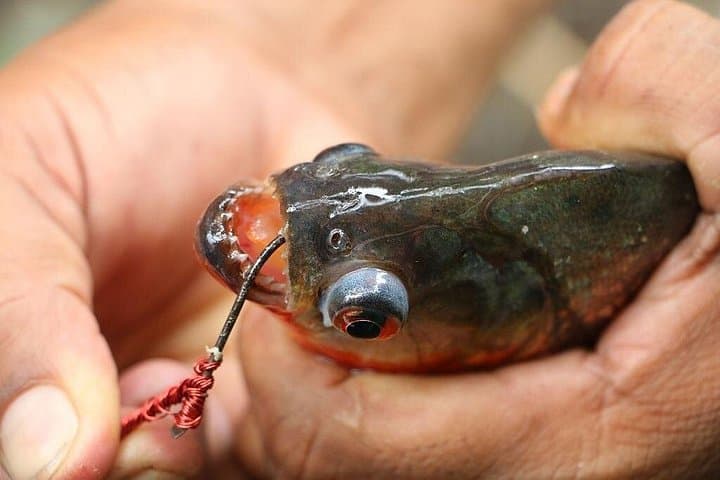
On a three-hour outing you’ll try simple baited rigs from a traditional wooden skiff, learning casting rhythm and how to keep balance when the fish thrash. Expect quick strikes, sharp teeth guarded by wire leaders, and a handful of 25–30 cm specimens that test your reflexes more than your strength.
Practical notes: wear quick-dry clothing, secure footwear, and sun protection; bring insect repellent and a dry bag. Guides typically provide artisanal rods and hooks, and most operators encourage catch-and-release to protect local stocks. This is an intimate, short excursion—less about record trophies and more about close-up encounter with Amazon ecology, boat-handling, and the sensory pulse of the river.
Timing early or late in the day increases activity; communication with your guide about mobility limits is essential. For visitors based in Iquitos, this trip is a compact, hands-on way to meet the Amazon on its own terms.
The activity is about three hours and departs from the riverfront near the first block of Napo Street in Iquitos, commonly in front of the Fitzcarraldo Restaurant area.
Piranhas have sharp teeth but are not a common threat to people; guided fishing uses hooks, leaders, and handling protocols to minimize risk.
Yes—most operators supply artisanal rods, bait, and safety equipment; confirm any personal gear you prefer to bring beforehand.
This operator notes the trip is not recommended for pregnant travelers and requires moderate fitness; check with the guide about age limits and mobility concerns.
Yakumama Amazon Tours operates guided outdoor trips and adventures with an emphasis on safety, stewardship, and memorable experiences.
You push off at dawn from the riverfront in Iquitos, motor ticking as the city’s heat gives way to the cool, humid sigh of the Amazon. The boat cuts low across brown water; tangles of fallen timber and overhanging palms crowd the banks, and the guide—local and steady-handed—reads the river like a map.
You push off at dawn from the riverfront in Iquitos, motor ticking as the city’s heat gives way to the cool, humid sigh of the Amazon. The boat cuts low across brown water; tangles of fallen timber and overhanging palms crowd the banks, and the guide—local and steady-handed—reads the river like a map.
Piranhas are the attraction, but the river is the story. Geologically the Amazon is a broad alluvial plain, its channels shifting with the seasons, carving slim beaches and labyrinthine oxbows. For centuries, Indigenous communities and ribereños have fished these waters with artisanal gear; the red-bellied piranha is as much a cultural figure as a species—feared in legend, well-understood in practice.
On a three-hour outing you’ll try simple baited rigs from a traditional wooden skiff, learning casting rhythm and how to keep balance when the fish thrash. Expect quick strikes, sharp teeth guarded by wire leaders, and a handful of 25–30 cm specimens that test your reflexes more than your strength.
Practical notes: wear quick-dry clothing, secure footwear, and sun protection; bring insect repellent and a dry bag. Guides typically provide artisanal rods and hooks, and most operators encourage catch-and-release to protect local stocks. This is an intimate, short excursion—less about record trophies and more about close-up encounter with Amazon ecology, boat-handling, and the sensory pulse of the river.
Timing early or late in the day increases activity; communication with your guide about mobility limits is essential. For visitors based in Iquitos, this trip is a compact, hands-on way to meet the Amazon on its own terms.