THE ADVENTURE COLLECTIVE® · Independent discovery and booking for outdoor travel

Three days of river travel, Indigenous community visits and flooded-forest paddling from Leticia to Puerto Nariño. Expect short jungle walks, arapaima viewing, piranha fishing and night caiman safaris with community-led, sustainable guides.
Three days of river travel, Indigenous community visits and flooded-forest paddling from Leticia to Puerto Nariño. Expect short jungle walks, arapaima viewing, piranha fishing and night caiman safaris with community-led, sustainable guides.
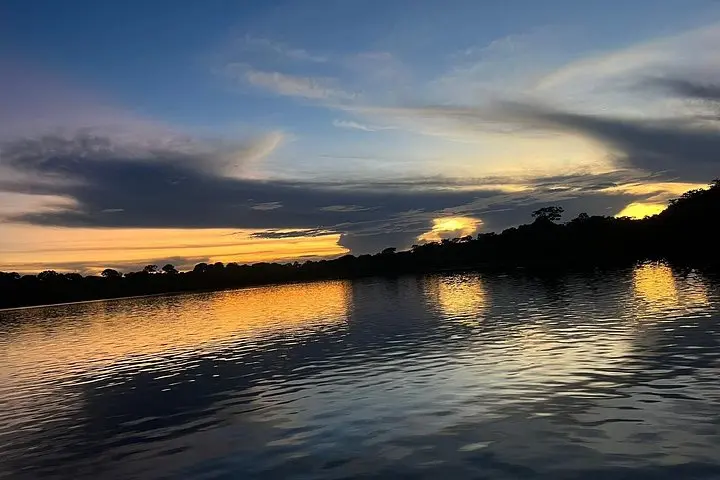
The morning light on the Amazon feels heavy and humid; a fast boat cleaves a glassy brown ribbon as villages and flooded forest slide by. After a 70 km river run from Leticia you step into Puerto Nariño, a small riverside town where travel slows and the forest seems to lean forward to say hello.
Verified experiences and guided adventures in the surrounding area.
Operated by Oxígeno Amazonas · Puerto Nariño, Amazonas
The morning light on the Amazon feels heavy and humid; a fast boat cleaves a glassy brown ribbon as villages and flooded forest slide by. After a 70 km river run from Leticia you step into Puerto Nariño, a small riverside town where travel slows and the forest seems to lean forward to say hello.
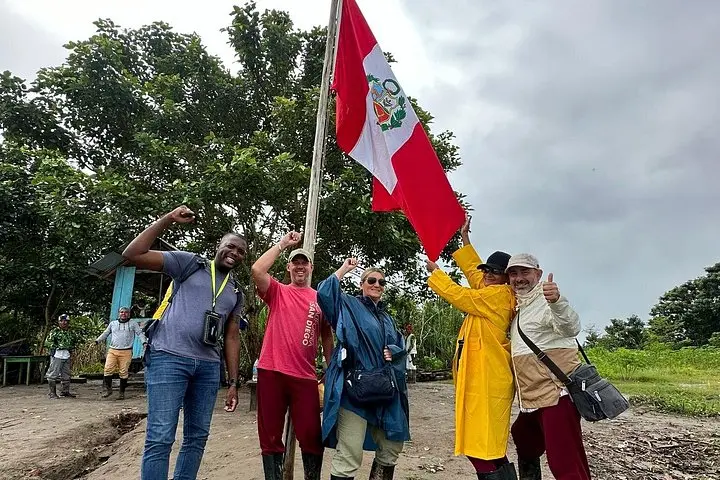
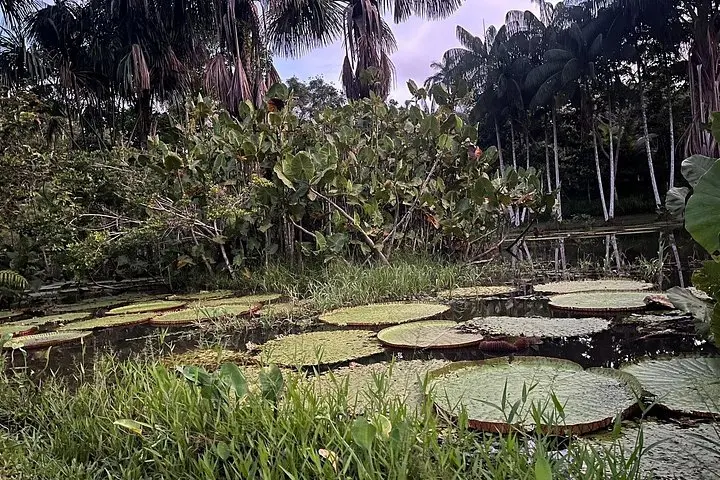
This three-day itinerary threads Ticuna community visits, flooded-forest paddling and night safaris into one compact loop. Puerto Nariño and nearby communities like San Antonio del Cacao and Wochine are part of a living Indigenous landscape—Ticuna culture, traditional fish farming and the lore of medicinal plants shape daily life here. Geologically the region is flat Amazonian lowland: expect river channels, oxbow lakes, and seasonally inundated terra firma rather than steep trails or elevation gain.
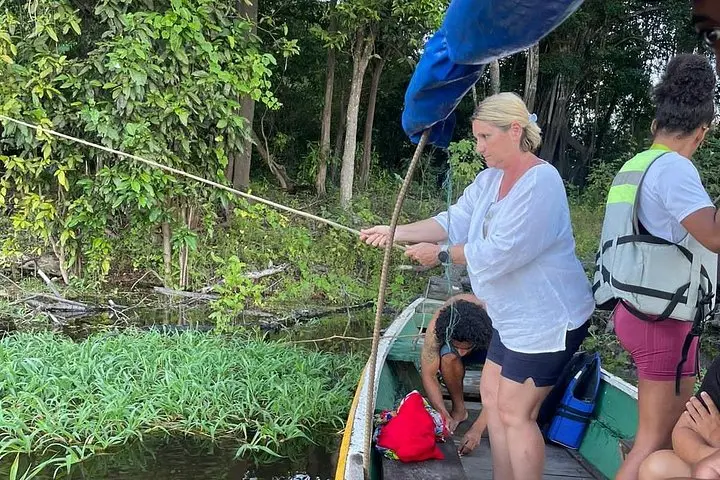
Expect short jungle walks of roughly 2 km on soft soil, boat transfers between points (several one- to two-hour legs), a guided visit to a fish reserve where you can see arapaima/pirarucu, piranha fishing and kayaking into flooded forest channels on the Loretoyacu. Wildlife encounters—pink river dolphins, caimans at night and sloths in the canopy—are common but never guaranteed.
Practical notes: pack a lightweight rain jacket and mosquito repellent, bring long sleeves and socks for walks, and a headlamp for night outings. Hydrate frequently in the heat and allow extra time for river transfers; seasonal water levels affect which channels are navigable. The program supports local families and emphasizes sustainable, low-impact travel—leave no trace and avoid feeding wildlife.
Yellow fever vaccination is strongly recommended for travel in the Colombian Amazon; consult a travel clinic for current advice on typhoid, hepatitis A and routine immunizations.
The itinerary includes a short river crossing to San Antonio del Cacao (Peru); a valid passport is required and you should confirm visa requirements for your nationality.
Walks are short (around 2 km) on soft, uneven ground and boat transfers are the main movement—most people with basic mobility can participate.
Wildlife is abundant but sightings can’t be guaranteed; dawn/dusk boat trips and night safaris increase chances to see dolphins, caimans, sloths and large fish like arapaima.
Oxígeno Amazonas operates guided outdoor trips and adventures with an emphasis on safety, stewardship, and memorable experiences.
The morning light on the Amazon feels heavy and humid; a fast boat cleaves a glassy brown ribbon as villages and flooded forest slide by. After a 70 km river run from Leticia you step into Puerto Nariño, a small riverside town where travel slows and the forest seems to lean forward to say hello.
The morning light on the Amazon feels heavy and humid; a fast boat cleaves a glassy brown ribbon as villages and flooded forest slide by. After a 70 km river run from Leticia you step into Puerto Nariño, a small riverside town where travel slows and the forest seems to lean forward to say hello.
This three-day itinerary threads Ticuna community visits, flooded-forest paddling and night safaris into one compact loop. Puerto Nariño and nearby communities like San Antonio del Cacao and Wochine are part of a living Indigenous landscape—Ticuna culture, traditional fish farming and the lore of medicinal plants shape daily life here. Geologically the region is flat Amazonian lowland: expect river channels, oxbow lakes, and seasonally inundated terra firma rather than steep trails or elevation gain.
Expect short jungle walks of roughly 2 km on soft soil, boat transfers between points (several one- to two-hour legs), a guided visit to a fish reserve where you can see arapaima/pirarucu, piranha fishing and kayaking into flooded forest channels on the Loretoyacu. Wildlife encounters—pink river dolphins, caimans at night and sloths in the canopy—are common but never guaranteed.
Practical notes: pack a lightweight rain jacket and mosquito repellent, bring long sleeves and socks for walks, and a headlamp for night outings. Hydrate frequently in the heat and allow extra time for river transfers; seasonal water levels affect which channels are navigable. The program supports local families and emphasizes sustainable, low-impact travel—leave no trace and avoid feeding wildlife.