THE ADVENTURE COLLECTIVE® · Independent discovery and booking for outdoor travel

Spend two days at the foot of Kilimanjaro for high-probability elephant sightings, wide-open savanna drives and a night at a lodge or camp. This short safari pairs long game-drive hours with local cultural context for a compact, wildlife-rich experience.
Spend two days at the foot of Kilimanjaro for high-probability elephant sightings, wide-open savanna drives and a night at a lodge or camp. This short safari pairs long game-drive hours with local cultural context for a compact, wildlife-rich experience.
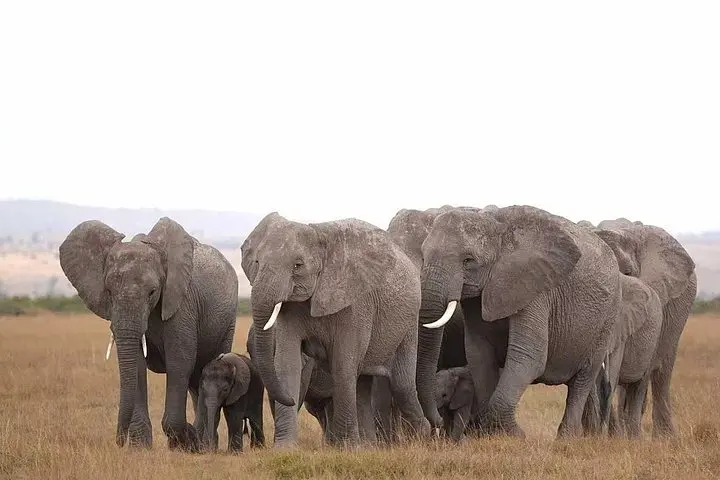
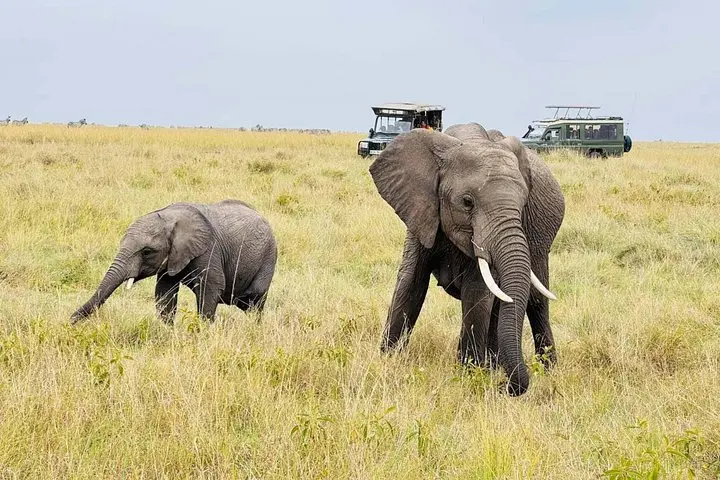
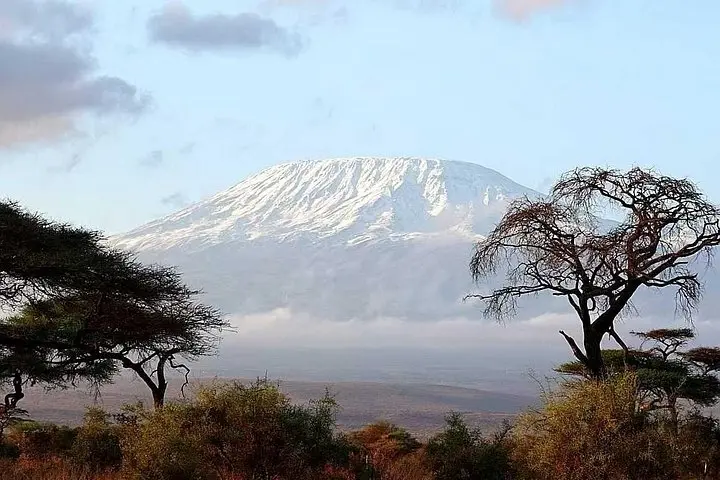
Dust rises as the Land Cruiser cuts across the red Mombasa Road—by afternoon the savanna opens and Kilimanjaro looms, a distant, snow-capped wall. The first game drive moves slow and deliberate; elephants brazenly cross the track, zebras graze like punctuation marks across the plain, and the light sharpens into long, clean lines that make small things clear and big things immense.
Verified experiences and guided adventures in the surrounding area.
Operated by City Break Safaris · Amboseli National Park, Kajiado County
Dust rises as the Land Cruiser cuts across the red Mombasa Road—by afternoon the savanna opens and Kilimanjaro looms, a distant, snow-capped wall. The first game drive moves slow and deliberate; elephants brazenly cross the track, zebras graze like punctuation marks across the plain, and the light sharpens into long, clean lines that make small things clear and big things immense.
Amboseli sits at roughly 1,100 m elevation on an ancient basin fed by Kilimanjaro’s meltwater. The park’s geology is defined by seasonal swamps, alkaline pans and low volcanic ridges; this hydrology concentrates wildlife and creates one of East Africa’s most reliable elephant-viewing grounds. Maasai communities have grazed these plains for generations, and their presence remains a cultural note on any safari—traditional homesteads and livestock are part of the landscape.
Practically, expect a 240–250 km drive from Nairobi taking about 4–5 hours depending on traffic and stops. The tour includes lodge or camp check-in, an afternoon game drive on day one and an early-morning game drive on day two when predators and herd behavior are most visible—and when Kilimanjaro often reveals itself with the clearest views.
Bring layered sun protection, binoculars and a good camera with a telephoto lens; vehicles are usually open-sided but sturdy (Land Cruiser). Move slowly on game drives, follow your guide’s instructions, and respect wildlife distances—this both improves sightings and keeps animals wild. If you time the trip for the dry months you’ll find animals clustered and photographic light at its most forgiving.
Yes—on clear days the park offers iconic views of Kilimanjaro’s snow-capped peak, especially in the dry months and early mornings.
Expect roughly 240–250 km and about 4–5 hours of driving depending on traffic and route choices.
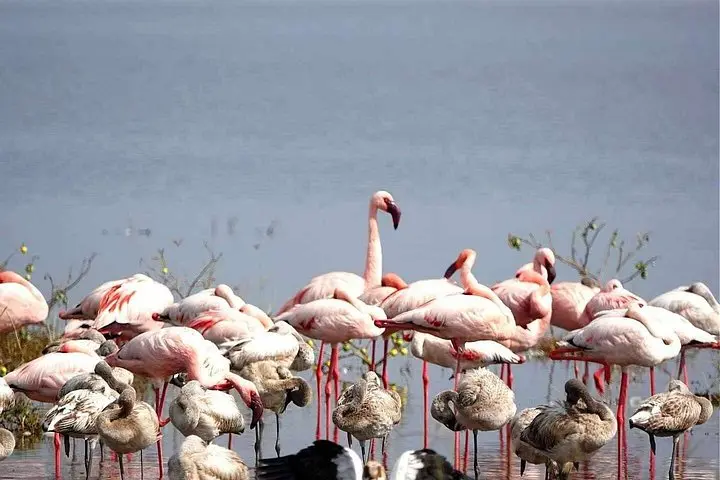
Amboseli is known for large elephant populations, plus lions, cheetahs, zebras, wildebeest, buffalo, warthogs and a variety of water and raptor birds.
Children are welcome but infants may need to sit on laps; some vehicle entry and short uneven walks are required—notify the operator about mobility needs.
City Break Safaris operates guided outdoor trips and adventures with an emphasis on safety, stewardship, and memorable experiences.
Dust rises as the Land Cruiser cuts across the red Mombasa Road—by afternoon the savanna opens and Kilimanjaro looms, a distant, snow-capped wall. The first game drive moves slow and deliberate; elephants brazenly cross the track, zebras graze like punctuation marks across the plain, and the light sharpens into long, clean lines that make small things clear and big things immense.
Dust rises as the Land Cruiser cuts across the red Mombasa Road—by afternoon the savanna opens and Kilimanjaro looms, a distant, snow-capped wall. The first game drive moves slow and deliberate; elephants brazenly cross the track, zebras graze like punctuation marks across the plain, and the light sharpens into long, clean lines that make small things clear and big things immense.
Amboseli sits at roughly 1,100 m elevation on an ancient basin fed by Kilimanjaro’s meltwater. The park’s geology is defined by seasonal swamps, alkaline pans and low volcanic ridges; this hydrology concentrates wildlife and creates one of East Africa’s most reliable elephant-viewing grounds. Maasai communities have grazed these plains for generations, and their presence remains a cultural note on any safari—traditional homesteads and livestock are part of the landscape.
Practically, expect a 240–250 km drive from Nairobi taking about 4–5 hours depending on traffic and stops. The tour includes lodge or camp check-in, an afternoon game drive on day one and an early-morning game drive on day two when predators and herd behavior are most visible—and when Kilimanjaro often reveals itself with the clearest views.
Bring layered sun protection, binoculars and a good camera with a telephoto lens; vehicles are usually open-sided but sturdy (Land Cruiser). Move slowly on game drives, follow your guide’s instructions, and respect wildlife distances—this both improves sightings and keeps animals wild. If you time the trip for the dry months you’ll find animals clustered and photographic light at its most forgiving.