THE ADVENTURE COLLECTIVE® · Independent discovery and booking for outdoor travel

Spend a day chasing wildlife across Amboseli’s marshes with Mt. Kilimanjaro as a constant backdrop. This practical guide covers what you’ll see, how the park works, and simple tips to make the most of a short but rich safari.
Spend a day chasing wildlife across Amboseli’s marshes with Mt. Kilimanjaro as a constant backdrop. This practical guide covers what you’ll see, how the park works, and simple tips to make the most of a short but rich safari.
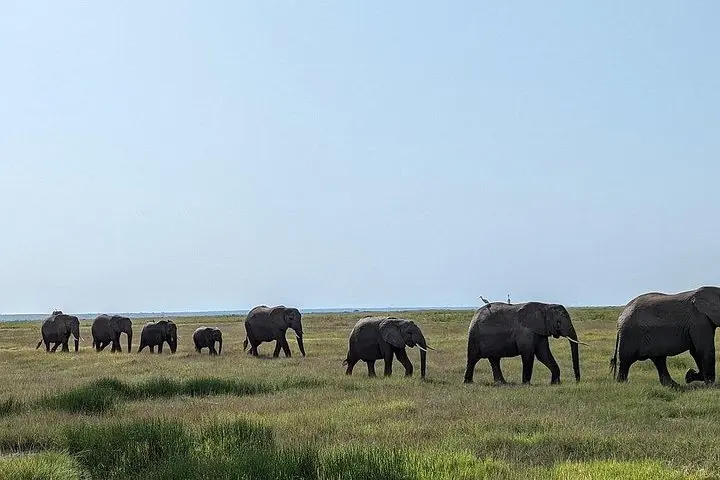
The sun lifts over the Nairobi-Mombasa highway and the land changes from cultivated plots to an open, tawny plain. By midmorning the pop-up roof of a safari vehicle becomes a front-row seat: Mt. Kilimanjaro looms white and silent beyond the swamps while herds of elephants move like slow weather across the marshes.
Verified experiences and guided adventures in the surrounding area.
Operated by Kairi Tours and Safaris · Amboseli National Park, Kajiado County
The sun lifts over the Nairobi-Mombasa highway and the land changes from cultivated plots to an open, tawny plain. By midmorning the pop-up roof of a safari vehicle becomes a front-row seat: Mt. Kilimanjaro looms white and silent beyond the swamps while herds of elephants move like slow weather across the marshes.
Amboseli sits in southern Kenya, a biosphere reserve shaped by volcanic sediments and seasonal flooding. The park’s flat plains, salt pans and wetlands have long supported the Maasai culture; you’ll spot their patterned shukas and brightly beaded jewelry along the route into the park. Geology is simple and visible—the shadow of Kilimanjaro dominates drainage patterns and seasonal marshes that attract grazers and the predators that follow.
A typical day tour departs early (around 5 a.m.), runs a 3–4 hour drive to the park, includes a morning and short afternoon game drive, and a midday lunch (Amboseli Serena Lodge is a common stop). Expect elephants in large, well-studied herds, plus giraffe, zebra, gazelle and the occasional lion or cheetah. Guides use the park’s raised tracks and marsh edges to find water-dependent animals; the landscape itself nudges wildlife into view.
Practical guidance: bring sun protection, a good pair of binoculars and a camera with a tele lens. Wear layered clothing for cool mornings and hot midday sun, and keep water accessible. Respect wildlife—stay inside the vehicle unless instructed otherwise—and plan around weather for the best chance to see Kilimanjaro’s peak.
Visibility depends on weather—clear mornings offer dramatic views, but clouds often obscure the peak; mornings give the best chance.
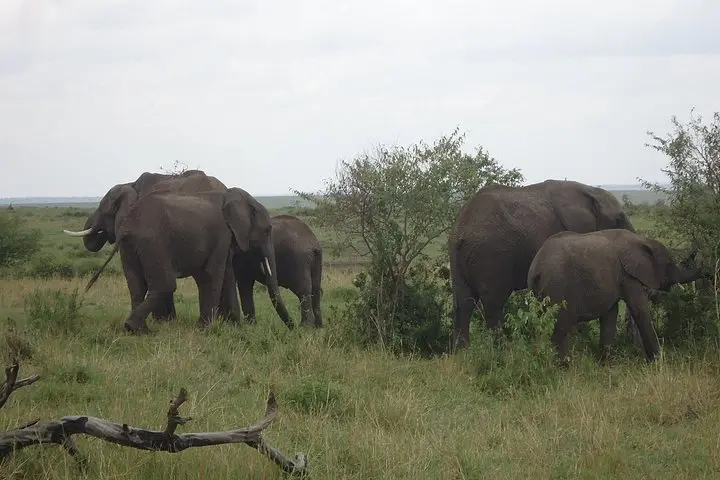
Amboseli is famous for large elephant herds; expect giraffes, zebras, wildebeests, gazelles and frequently lions or cheetahs near prey concentrations.
Most day tours include lunch, commonly at Amboseli Serena Lodge or a picnic spot; check your booking for specifics and dietary options.
Yes—vehicles often provide infant seats and the day tour is low-impact, but keep children buckled and follow the guide’s safety instructions.
Kairi Tours and Safaris operates guided outdoor trips and adventures with an emphasis on safety, stewardship, and memorable experiences.
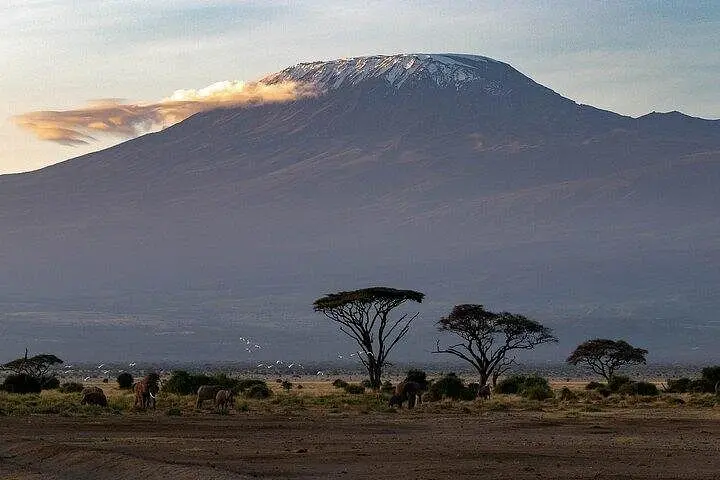
The sun lifts over the Nairobi-Mombasa highway and the land changes from cultivated plots to an open, tawny plain. By midmorning the pop-up roof of a safari vehicle becomes a front-row seat: Mt. Kilimanjaro looms white and silent beyond the swamps while herds of elephants move like slow weather across the marshes.
The sun lifts over the Nairobi-Mombasa highway and the land changes from cultivated plots to an open, tawny plain. By midmorning the pop-up roof of a safari vehicle becomes a front-row seat: Mt. Kilimanjaro looms white and silent beyond the swamps while herds of elephants move like slow weather across the marshes.
Amboseli sits in southern Kenya, a biosphere reserve shaped by volcanic sediments and seasonal flooding. The park’s flat plains, salt pans and wetlands have long supported the Maasai culture; you’ll spot their patterned shukas and brightly beaded jewelry along the route into the park. Geology is simple and visible—the shadow of Kilimanjaro dominates drainage patterns and seasonal marshes that attract grazers and the predators that follow.
A typical day tour departs early (around 5 a.m.), runs a 3–4 hour drive to the park, includes a morning and short afternoon game drive, and a midday lunch (Amboseli Serena Lodge is a common stop). Expect elephants in large, well-studied herds, plus giraffe, zebra, gazelle and the occasional lion or cheetah. Guides use the park’s raised tracks and marsh edges to find water-dependent animals; the landscape itself nudges wildlife into view.
Practical guidance: bring sun protection, a good pair of binoculars and a camera with a tele lens. Wear layered clothing for cool mornings and hot midday sun, and keep water accessible. Respect wildlife—stay inside the vehicle unless instructed otherwise—and plan around weather for the best chance to see Kilimanjaro’s peak.