THE ADVENTURE COLLECTIVE® · Independent discovery and booking for outdoor travel

Experience close-up elephant herds and front-row views of Mount Kilimanjaro on a two-day overnight safari to Amboseli. This practical guide covers what to expect, local context, and must-pack items for optimal game viewing.
Experience close-up elephant herds and front-row views of Mount Kilimanjaro on a two-day overnight safari to Amboseli. This practical guide covers what to expect, local context, and must-pack items for optimal game viewing.
A low sun paints Kilimanjaro's snowcap gold as your vehicle pushes across the flat, salty soils of Amboseli. Dust lifts in lazy ribbons and elephants move like slow weather across the plain; the mountain stands behind them, an immovable compass. Early morning and late afternoon drives frame the best light and the closest animal encounters.
Verified experiences and guided adventures in the surrounding area.
Operated by Mountain Walkers Adventures · Amboseli National Park, Kajiado County
A low sun paints Kilimanjaro's snowcap gold as your vehicle pushes across the flat, salty soils of Amboseli. Dust lifts in lazy ribbons and elephants move like slow weather across the plain; the mountain stands behind them, an immovable compass. Early morning and late afternoon drives frame the best light and the closest animal encounters.
Amboseli occupies roughly 392 km² on the floor beneath Kilimanjaro and sits around 1,150 m above sea level. The park’s name derives from a Maasai word meaning “salty dust,” a nod to the dried lakebed and occasional sulfur springs that create wetland pockets. Geologically it’s an alluvial plain fed by streams from Kilimanjaro’s slopes; ecologically it supports five habitats — dry lakebed, seasonal marshes, wetlands, savannah and acacia woodlands.
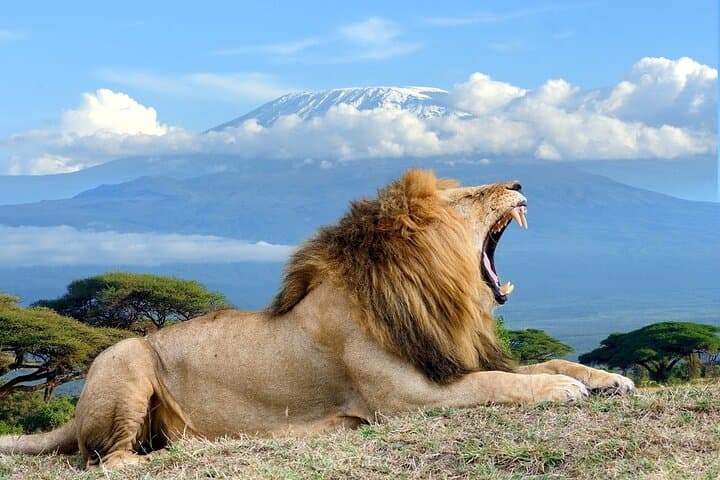
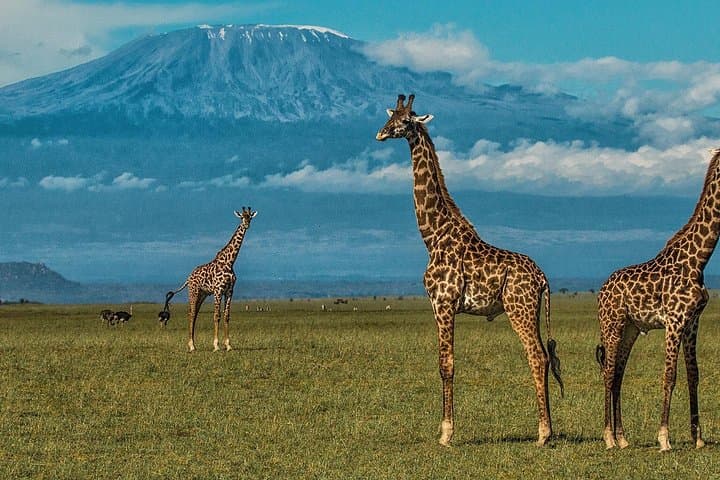
Culturally, Amboseli is Maasai country: many camps work with local communities, and Maasai herding traditions remain visible along park borders. Expect to see large elephant herds, wildebeest, zebras and, with luck, lions or cheetahs; over 370 bird species have been recorded here.
Practical guidance: the drive from Nairobi is under five hours on good roads — plan an early 7:00 am pickup to maximize game time. Game drives are vehicle-based; bring binoculars, a camera with a telephoto lens and layers for cool mornings. Hydrate, wear sun protection, and keep a respectful distance from wildlife. Lodges and camps provide three meals and simple overnight accommodation; tipping drivers and guides is customary. Amboseli delivers close-range wildlife drama and unbeatable Kilimanjaro backdrops — come ready to watch the light change the mountain and the animals respond.
Expect under five hours each way on a good road, with departures commonly around 7:00 am to maximize game time.
Yes — many camps accommodate families; infant seats and stroller access may be available but check with the operator in advance.
Large herds of elephants are the signature sight; wildebeest, zebras, buffalo, various antelope and many bird species are commonly seen; predators appear but sightings are not guaranteed.
Visitors should carry valid travel documents and confirm required vaccinations (e.g., yellow fever if coming from endemic areas); park entry fees are included with most tours but verify ahead of travel.
Mountain Walkers Adventures operates guided outdoor trips and adventures with an emphasis on safety, stewardship, and memorable experiences.
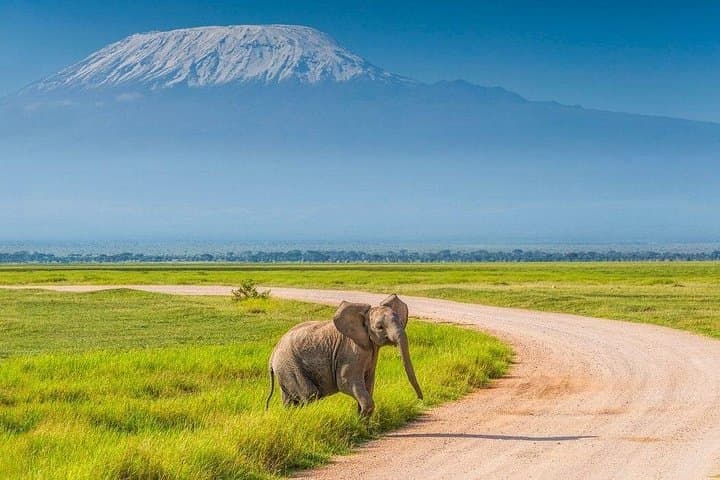
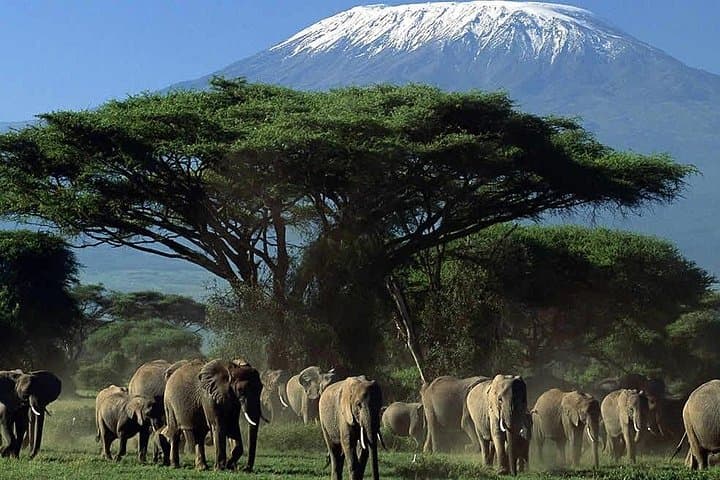
A low sun paints Kilimanjaro's snowcap gold as your vehicle pushes across the flat, salty soils of Amboseli. Dust lifts in lazy ribbons and elephants move like slow weather across the plain; the mountain stands behind them, an immovable compass. Early morning and late afternoon drives frame the best light and the closest animal encounters.
A low sun paints Kilimanjaro's snowcap gold as your vehicle pushes across the flat, salty soils of Amboseli. Dust lifts in lazy ribbons and elephants move like slow weather across the plain; the mountain stands behind them, an immovable compass. Early morning and late afternoon drives frame the best light and the closest animal encounters.
Amboseli occupies roughly 392 km² on the floor beneath Kilimanjaro and sits around 1,150 m above sea level. The park’s name derives from a Maasai word meaning “salty dust,” a nod to the dried lakebed and occasional sulfur springs that create wetland pockets. Geologically it’s an alluvial plain fed by streams from Kilimanjaro’s slopes; ecologically it supports five habitats — dry lakebed, seasonal marshes, wetlands, savannah and acacia woodlands.
Culturally, Amboseli is Maasai country: many camps work with local communities, and Maasai herding traditions remain visible along park borders. Expect to see large elephant herds, wildebeest, zebras and, with luck, lions or cheetahs; over 370 bird species have been recorded here.
Practical guidance: the drive from Nairobi is under five hours on good roads — plan an early 7:00 am pickup to maximize game time. Game drives are vehicle-based; bring binoculars, a camera with a telephoto lens and layers for cool mornings. Hydrate, wear sun protection, and keep a respectful distance from wildlife. Lodges and camps provide three meals and simple overnight accommodation; tipping drivers and guides is customary. Amboseli delivers close-range wildlife drama and unbeatable Kilimanjaro backdrops — come ready to watch the light change the mountain and the animals respond.