THE ADVENTURE COLLECTIVE® · Independent discovery and booking for outdoor travel

Spend three days chasing wildlife beneath the looming profile of Mount Kilimanjaro. This 2-night Amboseli safari combines game drives, wetlands viewing and cultural context with manageable drives from Nairobi.
Spend three days chasing wildlife beneath the looming profile of Mount Kilimanjaro. This 2-night Amboseli safari combines game drives, wetlands viewing and cultural context with manageable drives from Nairobi.
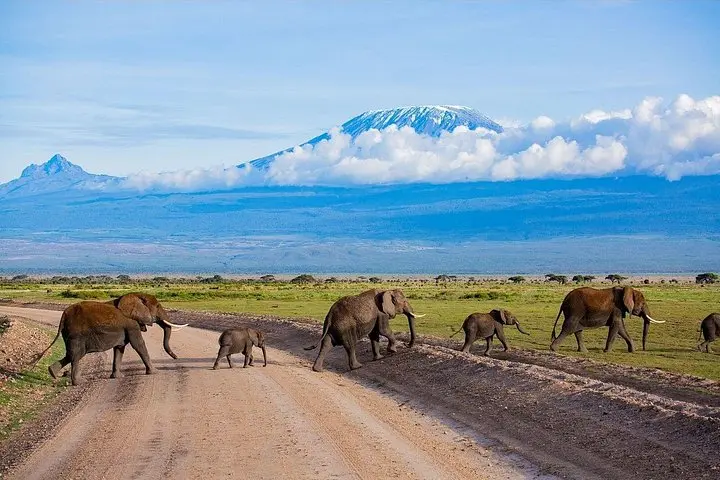
Dawn breaks on open plains and the silhouette of Kilimanjaro appears on the horizon — a snow-capped column that commands the landscape as you bounce along a rutted track toward Amboseli’s wetlands.
Verified experiences and guided adventures in the surrounding area.
Operated by NIVLEK TOURS · Amboseli, Kajiado County
Dawn breaks on open plains and the silhouette of Kilimanjaro appears on the horizon — a snow-capped column that commands the landscape as you bounce along a rutted track toward Amboseli’s wetlands.
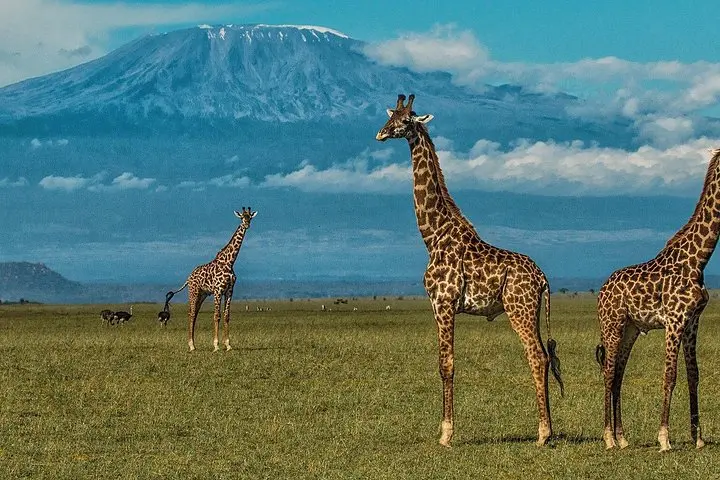
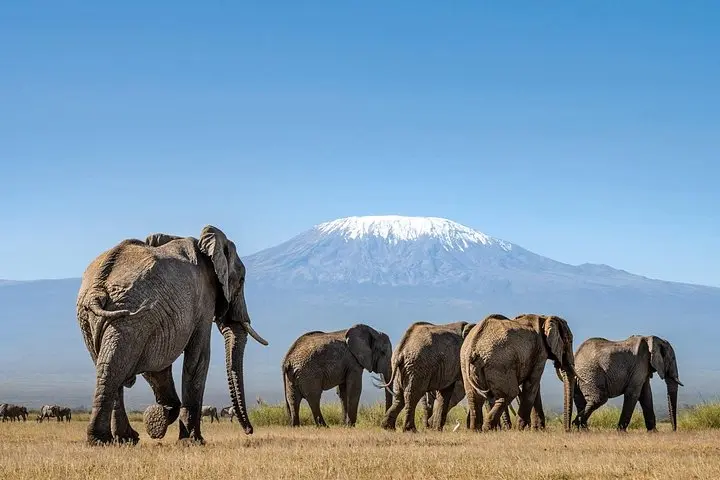
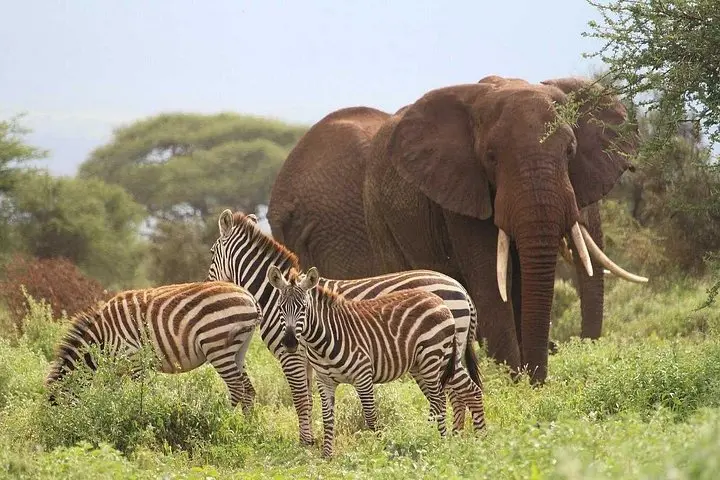
This compact 2-night, 3-day safari centers on game drives through park zones of short grass plains, seasonal swamps and patches of acacia woodland. Amboseli sits at roughly 1,000–1,200 meters above sea level and is best known for large elephant herds, close-up views of giraffe, zebra, Cape buffalo and hippo, plus dozens of migratory and resident bird species. Geologically, the park is the lowland floor beneath Kilimanjaro, a massive dormant stratovolcano (5,895 m) whose glaciated summit feeds seasonal streams that sustain Amboseli’s marshes.
Local Maasai communities live on the park’s fringes; many lodges and conservancies work with pastoralists to reduce human-wildlife conflict and support community projects. Expect early morning and late afternoon drives when animals are most active and light is best for photography.
Practicalities: the drive from Nairobi is about 4–5 hours each way on mixed paved and rough roads; plan for dusty, bumpy transfers. Bring binoculars and a telephoto lens, sun protection and layered clothing for cool mornings. Vehicles provide shade but little shelter from midday heat or evening chill. Hydrate, follow guide briefings (stay inside the vehicle during sightings), and carry cash for park fees or local purchases. With minimal walking required, this trip is accessible to most travelers seeking concentrated wildlife viewing framed by one of Africa’s most iconic peaks.
Expect about 4–5 hours each way depending on traffic and road conditions; the route includes paved highway and rough stretches near the park.
This package includes two lunches, two dinners and two breakfasts plus accommodation and a driver-guide; verify park entry fees and any extras with the operator prior to travel.
Common sightings include elephants, giraffe, zebra, wildebeest, hippo and a variety of raptors and waterbirds; big cat sightings occur but are less guaranteed.
The trip is vehicle-based and rated suitable for most fitness levels; inform the operator about infants or mobility needs so appropriate seating and assistance can be arranged.
NIVLEK TOURS operates guided outdoor trips and adventures with an emphasis on safety, stewardship, and memorable experiences.
Dawn breaks on open plains and the silhouette of Kilimanjaro appears on the horizon — a snow-capped column that commands the landscape as you bounce along a rutted track toward Amboseli’s wetlands.
Dawn breaks on open plains and the silhouette of Kilimanjaro appears on the horizon — a snow-capped column that commands the landscape as you bounce along a rutted track toward Amboseli’s wetlands.
This compact 2-night, 3-day safari centers on game drives through park zones of short grass plains, seasonal swamps and patches of acacia woodland. Amboseli sits at roughly 1,000–1,200 meters above sea level and is best known for large elephant herds, close-up views of giraffe, zebra, Cape buffalo and hippo, plus dozens of migratory and resident bird species. Geologically, the park is the lowland floor beneath Kilimanjaro, a massive dormant stratovolcano (5,895 m) whose glaciated summit feeds seasonal streams that sustain Amboseli’s marshes.
Local Maasai communities live on the park’s fringes; many lodges and conservancies work with pastoralists to reduce human-wildlife conflict and support community projects. Expect early morning and late afternoon drives when animals are most active and light is best for photography.
Practicalities: the drive from Nairobi is about 4–5 hours each way on mixed paved and rough roads; plan for dusty, bumpy transfers. Bring binoculars and a telephoto lens, sun protection and layered clothing for cool mornings. Vehicles provide shade but little shelter from midday heat or evening chill. Hydrate, follow guide briefings (stay inside the vehicle during sightings), and carry cash for park fees or local purchases. With minimal walking required, this trip is accessible to most travelers seeking concentrated wildlife viewing framed by one of Africa’s most iconic peaks.