THE ADVENTURE COLLECTIVE® · Independent discovery and booking for outdoor travel

Glide over the rusted ribs of the Japanese Shipwreck off Amed and peer into one of Bali’s most accessible wreck reefs. This practical guide covers what to expect, where to go, and how to prepare for a calm, wildlife-rich snorkel day.
Glide over the rusted ribs of the Japanese Shipwreck off Amed and peer into one of Bali’s most accessible wreck reefs. This practical guide covers what to expect, where to go, and how to prepare for a calm, wildlife-rich snorkel day.
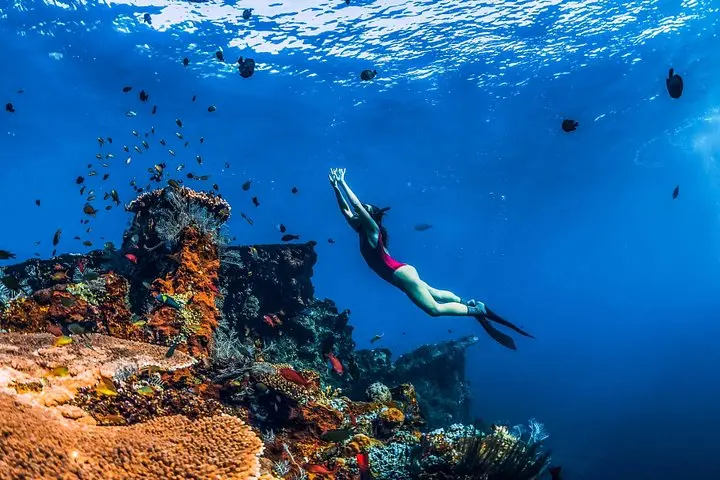
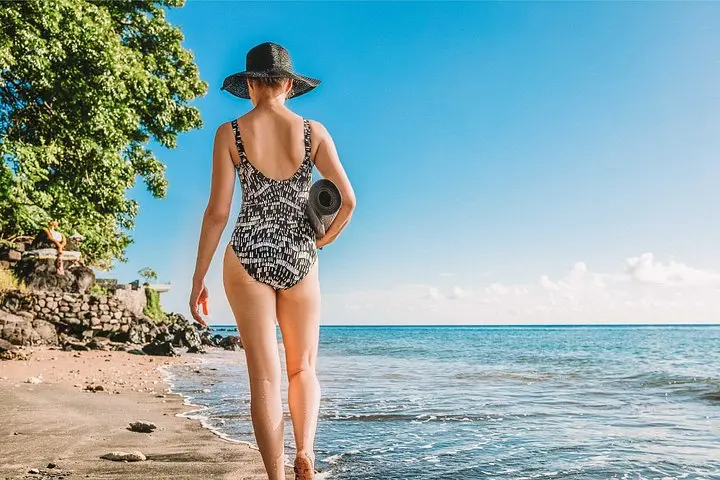
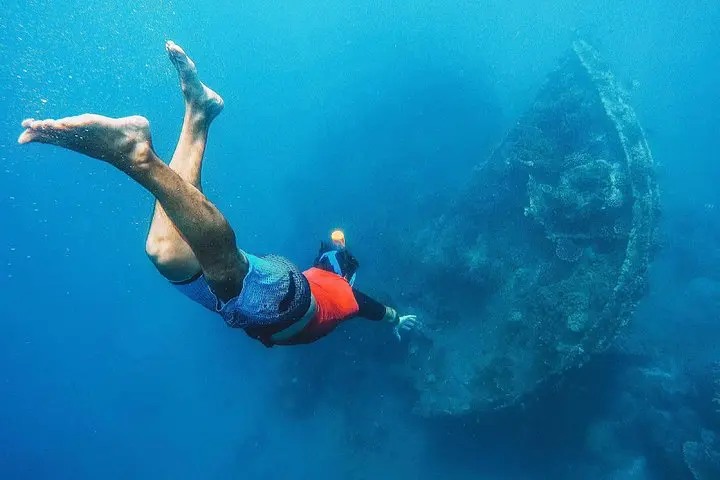
Morning light strips the black sand at Lipah as a longboat eases into glass-blue water, engines low and guide scanning the surface. Minutes later the rusted silhouette of the Japanese Shipwreck resolves beneath the hull; parrotfish weave through coral-encrusted ribs and turtles fold themselves around the wreck’s shadow.
Verified experiences and guided adventures in the surrounding area.
Operated by TripGuru · Amed, Bali
Morning light strips the black sand at Lipah as a longboat eases into glass-blue water, engines low and guide scanning the surface. Minutes later the rusted silhouette of the Japanese Shipwreck resolves beneath the hull; parrotfish weave through coral-encrusted ribs and turtles fold themselves around the wreck’s shadow.
The east coast of Bali around Amed is young volcanic country—lava flows from Mount Agung formed rocky headlands and steep reef shelves—where coastal villages still harvest salt and fish from nearshore reefs. The Japanese cargo ship that lies here is a fragment of World War II history turned reef, its steel frame rapidly colonized by hard and soft corals and frequented by hawksbills and garden-variety reef fish.
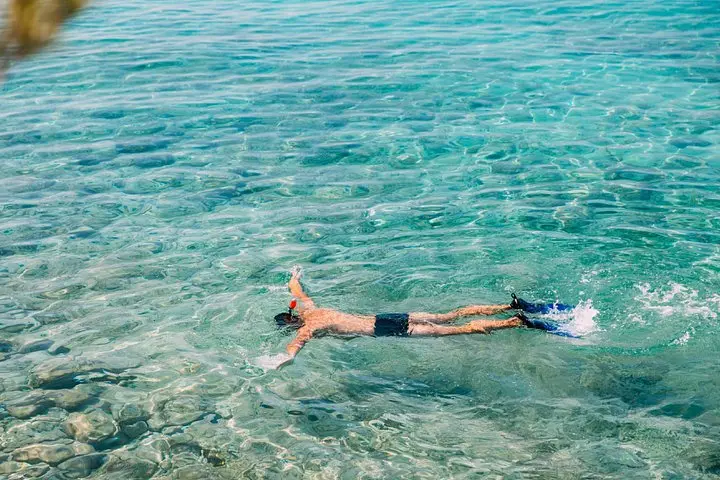
Expect 3–8 hours depending on pickup location; if you’re staying in Amed the trip can be a short outing, from south Bali it’s a full day on the road. Visibility in the dry season often ranges 10–25 meters; reefs slope shallowly from about one to 15 meters, making much of the site accessible to confident beginners.
Practical guidance: the operator provides snorkel gear and bottled water but bring a well-fitting mask and a rashguard for sun and jellyfish protection. Use reef-safe sunscreen, avoid touching or standing on coral, and practice gentle buoyancy. Aim for first light when currents are weakest and wildlife is most active; secure a shaded break on Vienna Beach between swims, carry local cash for small purchases, avoid litter, and bring a towel.
No—sites are shallow (1–15 m) and guides assist; however you should be comfortable swimming, able to clear your mask, and follow guide instructions.
The operator provides snorkel gear and bottled water; you may wish to bring your own mask or rashguard for comfort.
Early morning offers the calmest water and best visibility; the dry season (April–October) generally has clearer seas.
Yes—no touching coral, maintain buoyancy, avoid feeding wildlife, and use reef-safe sunscreen; follow guide briefings at all times.
TripGuru operates guided outdoor trips and adventures with an emphasis on safety, stewardship, and memorable experiences.
Morning light strips the black sand at Lipah as a longboat eases into glass-blue water, engines low and guide scanning the surface. Minutes later the rusted silhouette of the Japanese Shipwreck resolves beneath the hull; parrotfish weave through coral-encrusted ribs and turtles fold themselves around the wreck’s shadow.
Morning light strips the black sand at Lipah as a longboat eases into glass-blue water, engines low and guide scanning the surface. Minutes later the rusted silhouette of the Japanese Shipwreck resolves beneath the hull; parrotfish weave through coral-encrusted ribs and turtles fold themselves around the wreck’s shadow.
The east coast of Bali around Amed is young volcanic country—lava flows from Mount Agung formed rocky headlands and steep reef shelves—where coastal villages still harvest salt and fish from nearshore reefs. The Japanese cargo ship that lies here is a fragment of World War II history turned reef, its steel frame rapidly colonized by hard and soft corals and frequented by hawksbills and garden-variety reef fish.
Expect 3–8 hours depending on pickup location; if you’re staying in Amed the trip can be a short outing, from south Bali it’s a full day on the road. Visibility in the dry season often ranges 10–25 meters; reefs slope shallowly from about one to 15 meters, making much of the site accessible to confident beginners.
Practical guidance: the operator provides snorkel gear and bottled water but bring a well-fitting mask and a rashguard for sun and jellyfish protection. Use reef-safe sunscreen, avoid touching or standing on coral, and practice gentle buoyancy. Aim for first light when currents are weakest and wildlife is most active; secure a shaded break on Vienna Beach between swims, carry local cash for small purchases, avoid litter, and bring a towel.