THE ADVENTURE COLLECTIVE® · Independent discovery and booking for outdoor travel

A tightly paced, private two-day circuit from Amman that pairs Petra’s carved cityscapes with the wide, red-ochre spaces of Wadi Rum and a final float in the Dead Sea. Perfect for travelers who want legendary sites, local culture and practical logistics handled for them.
A tightly paced, private two-day circuit from Amman that pairs Petra’s carved cityscapes with the wide, red-ochre spaces of Wadi Rum and a final float in the Dead Sea. Perfect for travelers who want legendary sites, local culture and practical logistics handled for them.
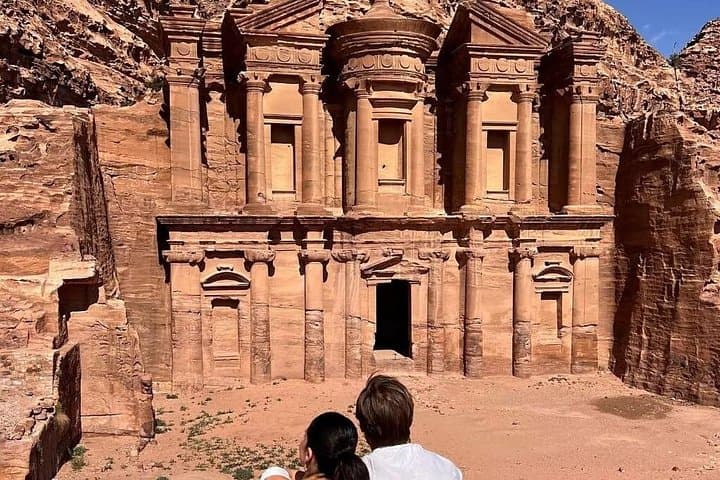
You step out of the air-conditioned van and the air changes—sand and stone, sun-warmed and oddly fragrant, replace the city’s dust. The lane into Petra narrows into the Siq, a ribbed sandstone throat that funnels sound and light until the Treasury appears like a carved face emerging from a canyon wall. Over two days this private trip moves with a steady cinematic logic: the carved urbanism of the Nabataeans, the open sculpted geometry of Wadi Rum, and finally the absurd buoyancy of the Dead Sea.
Verified experiences and guided adventures in the surrounding area.
Operated by Elite Tours · Wadi Musa, Ma'an
You step out of the air-conditioned van and the air changes—sand and stone, sun-warmed and oddly fragrant, replace the city’s dust. The lane into Petra narrows into the Siq, a ribbed sandstone throat that funnels sound and light until the Treasury appears like a carved face emerging from a canyon wall. Over two days this private trip moves with a steady cinematic logic: the carved urbanism of the Nabataeans, the open sculpted geometry of Wadi Rum, and finally the absurd buoyancy of the Dead Sea.
Petra’s sandstone walls are geological pages—silt and sand compressed, then lifted and cleaved by tectonics. The Nabataeans tamed water here with cisterns, channels and façades carved straight into living rock; Burckhardt’s 1812 visit only reintroduced it to a wider world. Wadi Rum is younger stone in scale: mesas, natural arches and honeyed towers formed by wind and flash floods, a desert that has held human traces from prehistory through the Bedouin culture that still manages its camps and jeep routes. The Dead Sea, sitting 408 meters below sea level, feels like a different planet—salt-saturated, slow-moving, and obstinately buoyant.
On Day 1 expect a roughly three-hour drive from Amman or Queen Alia Airport to Petra. Walk the 1.2 km Siq, then spend several hours on-site exploring the Street of Facades, the Roman Theater and the Royal Tombs; the climb to the Monastery is steep—about 800 steps if you go the full route. Mid-afternoon you continue to Wadi Rum: arrive at a desert camp, eat a traditional Bedouin dinner, and sleep under canvas where silence and stars dominate.
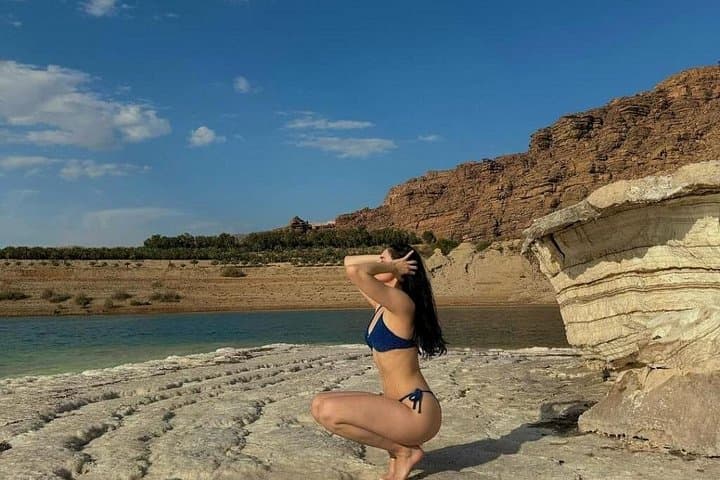
Day 2 begins with a 2–3 hour off-road tour in local 4x4s. The Bedouin drivers know soft sand tracks and wind-sculpted gullies; many stops are short hikes of 10–30 minutes across rock and gravel. After the morning in the desert, the drive to the Dead Sea takes approximately four hours. There the beach of a resort offers controlled access to the water and mud: floating requires no skill, but getting in and out calls for caution on slippery salt encrustations.
Practical edge: wear sturdy shoes for Petra’s uneven cobbles, bring a sun hat and layered clothing for cool desert evenings, and carry at least 2–3 liters of water per person for the Petra day. If you plan the optional balloon in Wadi Rum, reserve ahead—operators fill quickly.
This itinerary is private and accessible—drivers and guides slot the pace to your group. It’s a compact introduction to Jordan’s three headline landscapes, equal parts archaeology, landscape and a dose of salinity that will quite literally hold you up.
Entrance fees to Petra are not included—purchase your ticket at the site or arrange it ahead with your operator.
Yes—the itinerary allows pickup from Queen Alia International Airport or hotels in Amman.
Camps range from deluxe tents with beds to traditional Bedouin-style tents; options are listed at booking.
You use a resort beach with lifeguards in many cases, but swimming is self-guided—follow staff instructions about safe entry.
Yes, but the balloon is optional and must be booked in advance through the operator and paid separately.
The operator lists accessibility options; Petra involves steps and uneven surfaces, but transfers and some transport are wheelchair accessible—check specifics during booking.
Elite Tours operates guided outdoor trips and adventures with an emphasis on safety, stewardship, and memorable experiences.


You step out of the air-conditioned van and the air changes—sand and stone, sun-warmed and oddly fragrant, replace the city’s dust. The lane into Petra narrows into the Siq, a ribbed sandstone throat that funnels sound and light until the Treasury appears like a carved face emerging from a canyon wall. Over two days this private trip moves with a steady cinematic logic: the carved urbanism of the Nabataeans, the open sculpted geometry of Wadi Rum, and finally the absurd buoyancy of the Dead Sea.
You step out of the air-conditioned van and the air changes—sand and stone, sun-warmed and oddly fragrant, replace the city’s dust. The lane into Petra narrows into the Siq, a ribbed sandstone throat that funnels sound and light until the Treasury appears like a carved face emerging from a canyon wall. Over two days this private trip moves with a steady cinematic logic: the carved urbanism of the Nabataeans, the open sculpted geometry of Wadi Rum, and finally the absurd buoyancy of the Dead Sea.
Petra’s sandstone walls are geological pages—silt and sand compressed, then lifted and cleaved by tectonics. The Nabataeans tamed water here with cisterns, channels and façades carved straight into living rock; Burckhardt’s 1812 visit only reintroduced it to a wider world. Wadi Rum is younger stone in scale: mesas, natural arches and honeyed towers formed by wind and flash floods, a desert that has held human traces from prehistory through the Bedouin culture that still manages its camps and jeep routes. The Dead Sea, sitting 408 meters below sea level, feels like a different planet—salt-saturated, slow-moving, and obstinately buoyant.
On Day 1 expect a roughly three-hour drive from Amman or Queen Alia Airport to Petra. Walk the 1.2 km Siq, then spend several hours on-site exploring the Street of Facades, the Roman Theater and the Royal Tombs; the climb to the Monastery is steep—about 800 steps if you go the full route. Mid-afternoon you continue to Wadi Rum: arrive at a desert camp, eat a traditional Bedouin dinner, and sleep under canvas where silence and stars dominate.
Day 2 begins with a 2–3 hour off-road tour in local 4x4s. The Bedouin drivers know soft sand tracks and wind-sculpted gullies; many stops are short hikes of 10–30 minutes across rock and gravel. After the morning in the desert, the drive to the Dead Sea takes approximately four hours. There the beach of a resort offers controlled access to the water and mud: floating requires no skill, but getting in and out calls for caution on slippery salt encrustations.
Practical edge: wear sturdy shoes for Petra’s uneven cobbles, bring a sun hat and layered clothing for cool desert evenings, and carry at least 2–3 liters of water per person for the Petra day. If you plan the optional balloon in Wadi Rum, reserve ahead—operators fill quickly.
This itinerary is private and accessible—drivers and guides slot the pace to your group. It’s a compact introduction to Jordan’s three headline landscapes, equal parts archaeology, landscape and a dose of salinity that will quite literally hold you up.