THE ADVENTURE COLLECTIVE® · Independent discovery and booking for outdoor travel

Explore Amman’s living history on a private half‑day tour that links the Citadel, Roman Theater, King Abdullah Mosque and the Jordan Museum. This guided route combines accessible walking with deep historical context and local insights.
Explore Amman’s living history on a private half‑day tour that links the Citadel, Roman Theater, King Abdullah Mosque and the Jordan Museum. This guided route combines accessible walking with deep historical context and local insights.
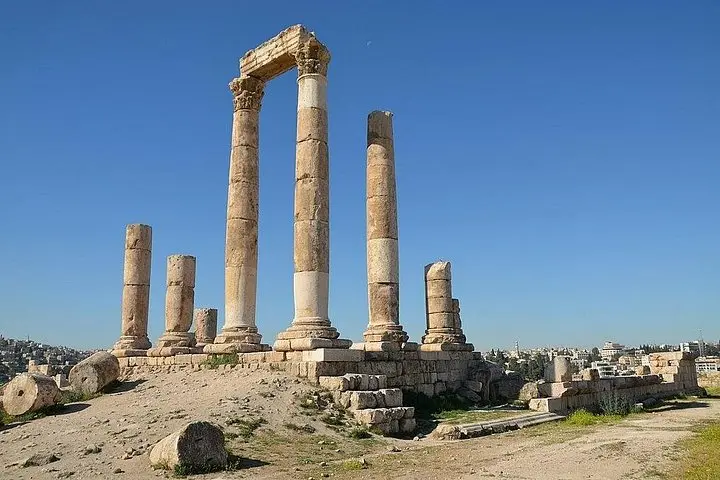
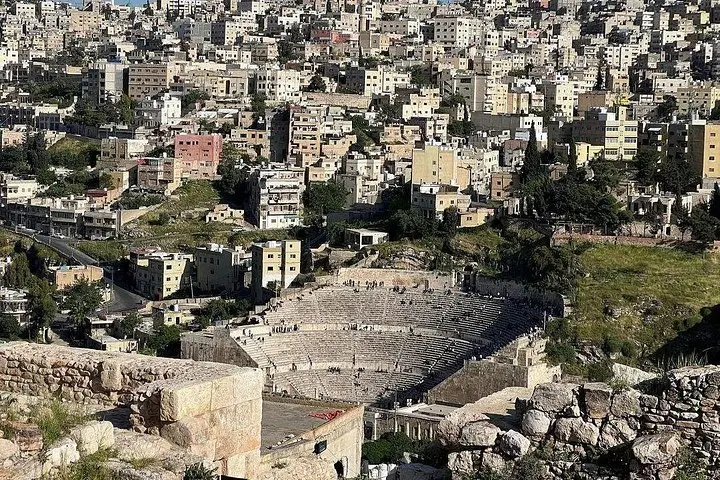
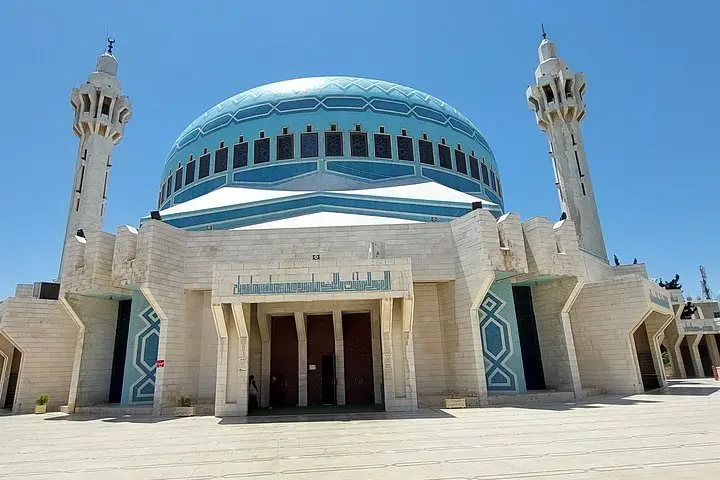
Standing atop Amman’s central hill, the Citadel opens like a map of epochs: crumbling columns, weathered stone, and the city’s modern pulse below. A breeze pushes the heat away as the Roman Theater’s semicircle frames the eastward skyline and the blue dome of the King Abdullah Mosque punctuates the horizon.
Verified experiences and guided adventures in the surrounding area.
Operated by iyad Q · Amman, Amman Governorate
Standing atop Amman’s central hill, the Citadel opens like a map of epochs: crumbling columns, weathered stone, and the city’s modern pulse below. A breeze pushes the heat away as the Roman Theater’s semicircle frames the eastward skyline and the blue dome of the King Abdullah Mosque punctuates the horizon.
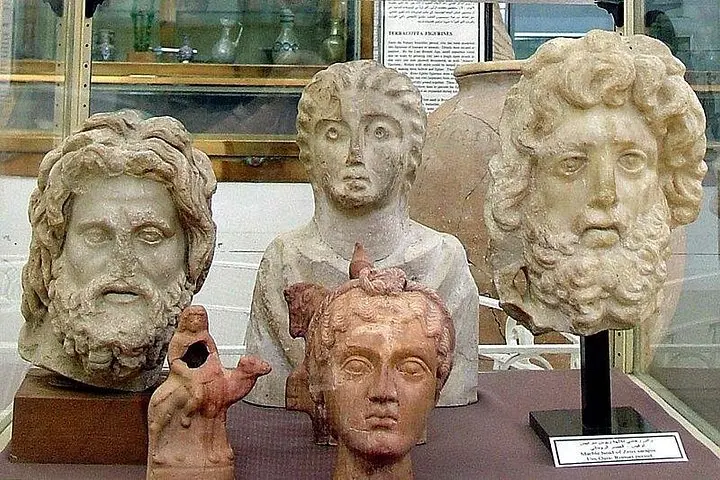
Amman was once Philadelphia under the Greeks and a crossroads for Romans, Byzantines and Umayyads. The Citadel’s Temple of Hercules and the on‑site Archaeological Museum display artifacts that trace civic life here across millennia. Geologically, the city sits on limestone and chalk bedrock; its seven‑hill topography shaped where settlements clustered and where theaters and temples were built to capitalize on views and acoustics. Today, the rhythm of calls to prayer, café vendor banter and university traffic layers modern culture over ancient stones.
Expect 3–4 hours of mostly easy walking, with stairways and uneven ruins at the Citadel and Roman Theater. The Jordan Museum offers climate‑controlled galleries and a compact narrative of Jordanian prehistory through Islamic era artifacts. Practicalities: bring sun protection, modest clothing for the mosque visit, and cash or card for museum admission (not always included). Hotel pickup and a private guide smooth logistics; travel time between sites is part of the tour. Peak sun and city traffic arrive midday—early morning or late afternoon slots deliver cooler temperatures and clearer views. Respect fragile masonry, avoid stepping on marked ruins, and hydrate: this is an urban cultural tour with an archaeological edge that rewards curiosity and common sense.
Admissions are typically not included in the base tour price—check booking details or plan to pay at sites; the guide can advise on current fees.
Yes—private pickup from your hotel lobby in Amman is included; specify your pickup point when booking.
Yes—infant seats are available and the itinerary is physically easy, but bring a stroller suitable for steps and uneven surfaces.
Guides commonly speak English and Arabic; request other languages at booking and the operator will try to accommodate.
iyad Q operates guided outdoor trips and adventures with an emphasis on safety, stewardship, and memorable experiences.
Standing atop Amman’s central hill, the Citadel opens like a map of epochs: crumbling columns, weathered stone, and the city’s modern pulse below. A breeze pushes the heat away as the Roman Theater’s semicircle frames the eastward skyline and the blue dome of the King Abdullah Mosque punctuates the horizon.
Standing atop Amman’s central hill, the Citadel opens like a map of epochs: crumbling columns, weathered stone, and the city’s modern pulse below. A breeze pushes the heat away as the Roman Theater’s semicircle frames the eastward skyline and the blue dome of the King Abdullah Mosque punctuates the horizon.
Amman was once Philadelphia under the Greeks and a crossroads for Romans, Byzantines and Umayyads. The Citadel’s Temple of Hercules and the on‑site Archaeological Museum display artifacts that trace civic life here across millennia. Geologically, the city sits on limestone and chalk bedrock; its seven‑hill topography shaped where settlements clustered and where theaters and temples were built to capitalize on views and acoustics. Today, the rhythm of calls to prayer, café vendor banter and university traffic layers modern culture over ancient stones.
Expect 3–4 hours of mostly easy walking, with stairways and uneven ruins at the Citadel and Roman Theater. The Jordan Museum offers climate‑controlled galleries and a compact narrative of Jordanian prehistory through Islamic era artifacts. Practicalities: bring sun protection, modest clothing for the mosque visit, and cash or card for museum admission (not always included). Hotel pickup and a private guide smooth logistics; travel time between sites is part of the tour. Peak sun and city traffic arrive midday—early morning or late afternoon slots deliver cooler temperatures and clearer views. Respect fragile masonry, avoid stepping on marked ruins, and hydrate: this is an urban cultural tour with an archaeological edge that rewards curiosity and common sense.