THE ADVENTURE COLLECTIVE® · Independent discovery and booking for outdoor travel

Two days, three of Jordan’s headline landscapes: walk through Petra’s Siq to the Treasury, sleep under desert stars in Wadi Rum, then float in the Dead Sea’s buoyant salt. This private itinerary pairs culture and geology with practical logistics for travelers short on time.
Two days, three of Jordan’s headline landscapes: walk through Petra’s Siq to the Treasury, sleep under desert stars in Wadi Rum, then float in the Dead Sea’s buoyant salt. This private itinerary pairs culture and geology with practical logistics for travelers short on time.
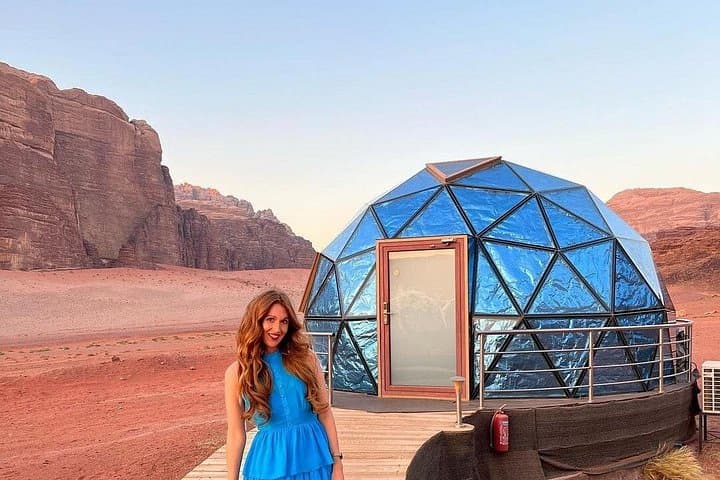
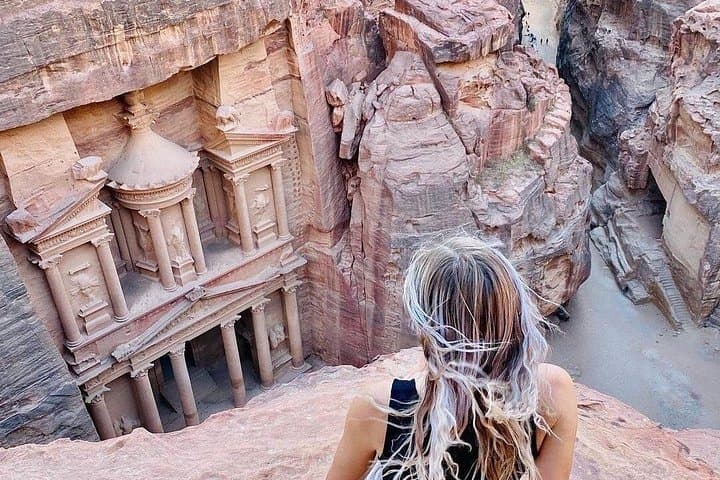
The bus eases out of Amman at daybreak and the asphalt unfurls southward under pale light. By midmorning the air tastes of stone and spice: sandstone cliffs flare rose and ochre as you slip into the Siq at Petra, the canyon narrowing until the Treasury suddenly opens like a stage set. That first view—columns and carved façades cupped by canyon walls—commands a slow, reverent walk. Later, when the sun softens, the desert of Wadi Rum unfolds: sandstone towers and wind-sculpted ridges lean into cobalt sky while Bedouin guides point out hidden canyons and nameless arches. The next day, after a quiet dawn jeep loop, you slide down to the Dead Sea and float in salty stillness, the horizon low and warm.
Verified experiences and guided adventures in the surrounding area.
Operated by Tour Experts · Wadi Musa, Ma'an Governorate
The bus eases out of Amman at daybreak and the asphalt unfurls southward under pale light. By midmorning the air tastes of stone and spice: sandstone cliffs flare rose and ochre as you slip into the Siq at Petra, the canyon narrowing until the Treasury suddenly opens like a stage set. That first view—columns and carved façades cupped by canyon walls—commands a slow, reverent walk. Later, when the sun softens, the desert of Wadi Rum unfolds: sandstone towers and wind-sculpted ridges lean into cobalt sky while Bedouin guides point out hidden canyons and nameless arches. The next day, after a quiet dawn jeep loop, you slide down to the Dead Sea and float in salty stillness, the horizon low and warm.
Petra and Wadi Rum read like separate chapters of Jordan’s geological and cultural story. Petra is carved from Jurassic sandstone by the Nabataeans, an ancient trading polity that turned rock into architecture and engineered cisterns to wring life from arid slopes. Wadi Rum’s sculpted mesas reveal deep time—wind and water chiseling granite and sandstone over millions of years. Lawrence of Arabia’s wartime routes thread through the dunes; Bedouin families still herd goats and run desert camps that combine traditional practice with modern hospitality. The Dead Sea, meanwhile, sits at the Rift Valley’s lowest point; its hypersaline surface has drawn pilgrims and healers for millennia.
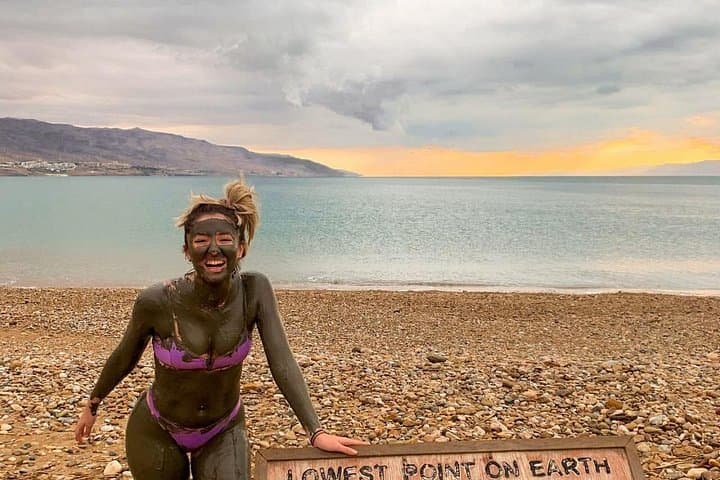
This private, two-day loop—pickup from Amman or Queen Alia Airport, a guided Petra walk, an overnight Bedouin camp and morning 4x4 tour in Wadi Rum, then a drive to the Dead Sea—balances sight-rich stops with practical travel. Expect walking in Petra on uneven rock and many steps; Wadi Rum jeep tours cover soft sand and rocky tracks; the Dead Sea visit is typically beach- or resort-based for mud and float time.
Plan your timing: arrive in Petra early to avoid the main tour groups and the afternoon heat. Book camp and any hot-air-balloon options ahead of peak season. Bring at least 2–3 liters of water for the Petra day and a lightweight sun layer you can remove; the desert will scorch midday and cool sharply at night. Footwear with good traction matters—both carved stone and desert rock can be slippery. For the Dead Sea, pack swimwear and a towel, and rinse-off facilities are often available at public beaches or hotel day-use options.
Practically, this private tour removes the logistics—drivers, bottled water, breakfast and dinner at the camp are included—but entrance fees to Petra and Dead Sea beach access may be separate. If you want camp upgrades or a balloon ride, reserve in advance. Tipping local guides and drivers is customary and appreciated. Above all, move with attention: Petra’s carved facades are fragile and Wadi Rum’s desert ecology is delicate—stay on tracks, respect Bedouin property, and carry out any trash. The payoff is tangible: close-range history, desert silence, and the odd luxury of floating in a sea that seems to hold the sky.
Entrance fees are typically not included—check your booking; tickets can be bought online or at Petra’s visitor center.
Yes—pickup from Q.A.I. Airport or hotels in Amman is offered; provide flight details when booking.
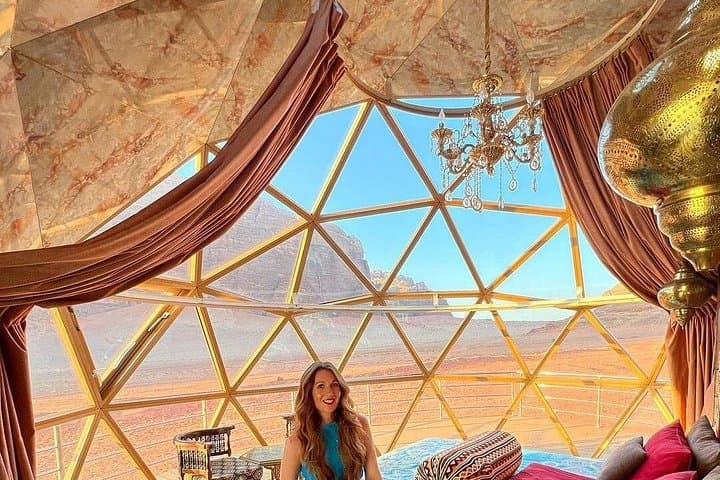
Accommodation is in a Bedouin desert camp; options range from standard to luxury ‘Martian’ tents depending on your booking selection.
Balloon rides are available but must be reserved in advance and are payable separately from the tour price.
Children can float but should be supervised—salinity can sting cuts and eyes; many beaches and hotels offer lifeguards and shallow zones.
An English-speaking driver is provided; the tour operator may supply guides fluent in other languages on request, subject to availability.
Tour Experts operates guided outdoor trips and adventures with an emphasis on safety, stewardship, and memorable experiences.
The bus eases out of Amman at daybreak and the asphalt unfurls southward under pale light. By midmorning the air tastes of stone and spice: sandstone cliffs flare rose and ochre as you slip into the Siq at Petra, the canyon narrowing until the Treasury suddenly opens like a stage set. That first view—columns and carved façades cupped by canyon walls—commands a slow, reverent walk. Later, when the sun softens, the desert of Wadi Rum unfolds: sandstone towers and wind-sculpted ridges lean into cobalt sky while Bedouin guides point out hidden canyons and nameless arches. The next day, after a quiet dawn jeep loop, you slide down to the Dead Sea and float in salty stillness, the horizon low and warm.
The bus eases out of Amman at daybreak and the asphalt unfurls southward under pale light. By midmorning the air tastes of stone and spice: sandstone cliffs flare rose and ochre as you slip into the Siq at Petra, the canyon narrowing until the Treasury suddenly opens like a stage set. That first view—columns and carved façades cupped by canyon walls—commands a slow, reverent walk. Later, when the sun softens, the desert of Wadi Rum unfolds: sandstone towers and wind-sculpted ridges lean into cobalt sky while Bedouin guides point out hidden canyons and nameless arches. The next day, after a quiet dawn jeep loop, you slide down to the Dead Sea and float in salty stillness, the horizon low and warm.
Petra and Wadi Rum read like separate chapters of Jordan’s geological and cultural story. Petra is carved from Jurassic sandstone by the Nabataeans, an ancient trading polity that turned rock into architecture and engineered cisterns to wring life from arid slopes. Wadi Rum’s sculpted mesas reveal deep time—wind and water chiseling granite and sandstone over millions of years. Lawrence of Arabia’s wartime routes thread through the dunes; Bedouin families still herd goats and run desert camps that combine traditional practice with modern hospitality. The Dead Sea, meanwhile, sits at the Rift Valley’s lowest point; its hypersaline surface has drawn pilgrims and healers for millennia.
This private, two-day loop—pickup from Amman or Queen Alia Airport, a guided Petra walk, an overnight Bedouin camp and morning 4x4 tour in Wadi Rum, then a drive to the Dead Sea—balances sight-rich stops with practical travel. Expect walking in Petra on uneven rock and many steps; Wadi Rum jeep tours cover soft sand and rocky tracks; the Dead Sea visit is typically beach- or resort-based for mud and float time.
Plan your timing: arrive in Petra early to avoid the main tour groups and the afternoon heat. Book camp and any hot-air-balloon options ahead of peak season. Bring at least 2–3 liters of water for the Petra day and a lightweight sun layer you can remove; the desert will scorch midday and cool sharply at night. Footwear with good traction matters—both carved stone and desert rock can be slippery. For the Dead Sea, pack swimwear and a towel, and rinse-off facilities are often available at public beaches or hotel day-use options.
Practically, this private tour removes the logistics—drivers, bottled water, breakfast and dinner at the camp are included—but entrance fees to Petra and Dead Sea beach access may be separate. If you want camp upgrades or a balloon ride, reserve in advance. Tipping local guides and drivers is customary and appreciated. Above all, move with attention: Petra’s carved facades are fragile and Wadi Rum’s desert ecology is delicate—stay on tracks, respect Bedouin property, and carry out any trash. The payoff is tangible: close-range history, desert silence, and the odd luxury of floating in a sea that seems to hold the sky.