THE ADVENTURE COLLECTIVE® · Independent discovery and booking for outdoor travel

Start at Ampenan’s fish auction at dawn and move through Kebon Roek and Cakranegara markets on a 1–4 hour guided morning tour. Discover how Lombok’s sea and soil shape local food, trade, and daily life while tasting specialties and learning market etiquette.
Start at Ampenan’s fish auction at dawn and move through Kebon Roek and Cakranegara markets on a 1–4 hour guided morning tour. Discover how Lombok’s sea and soil shape local food, trade, and daily life while tasting specialties and learning market etiquette.
Before dawn, the harbour exhales a wet, metallic breath and the boats return like clockwork — hulks of blue and green heaving with last night’s haul. You step off the minivan into Ampenan’s fish market at 6:30 a.m., where knives flash and the sea’s salt still clings to the air. Vendors shout prices in quick Sasak and Indonesian; a spray of ice and fish scales glitters under shop lights. This is not a staged cultural performance but a city waking by trade.
Verified experiences and guided adventures in the surrounding area.
Operated by Gadiza Lombok Tour & Travel · Mataram, West Nusa Tenggara
Before dawn, the harbour exhales a wet, metallic breath and the boats return like clockwork — hulks of blue and green heaving with last night’s haul. You step off the minivan into Ampenan’s fish market at 6:30 a.m., where knives flash and the sea’s salt still clings to the air. Vendors shout prices in quick Sasak and Indonesian; a spray of ice and fish scales glitters under shop lights. This is not a staged cultural performance but a city waking by trade.
Lombok’s markets are practical theaters of daily life. Ampenan grew as Mataram’s port district in the 19th century, a place where merchants from Bali, Java and Sulawesi crossed paths. The fish here tell a geological story too: tuna and mackerel hauled from the Bali Sea, reef snapper from the island’s fringing reefs, and small coastal species that reflect Lombok’s coral and volcanic shores. Walking through Kebon Roek later, you’ll move from marine abundance to the spice and starch of daily cooking—chili, candlenut, and smoked ikan peda—each stall a node in an economy that predates tourism.
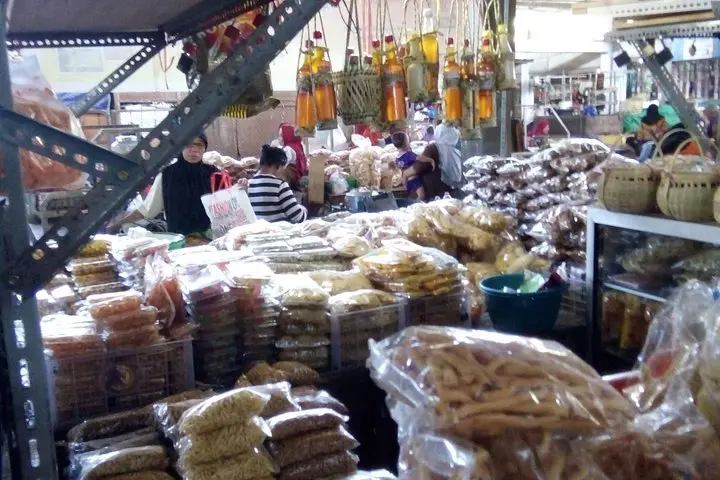
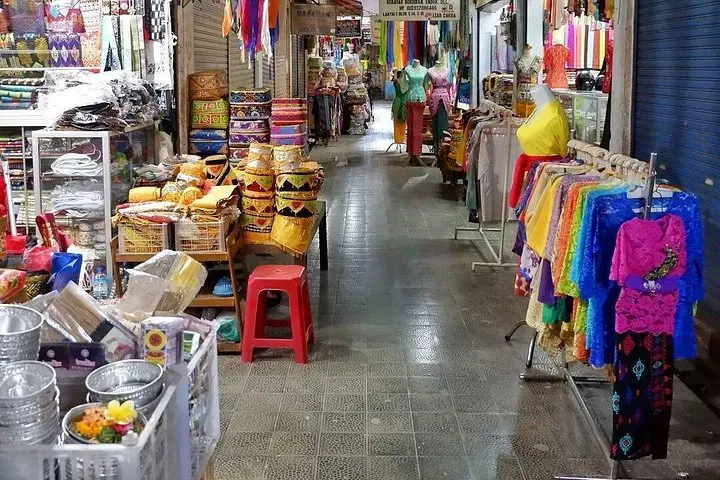
Cakranegara is the local pulse. Narrow lanes open into noisy market blocks where women in kebaya haggle beside crates of cassava and trays of kelapa parut (grated coconut). The scene is sensory: the shiver of wet fish, the aroma of palm sugar, the laughter and bargaining that define island commerce. Guides point out Lombok specialties — plecing kangkung (water spinach with sambal), belek (roasted corn snacks), and kue basah (soft cakes) — and explain how ingredients reflect Sasak household traditions.
Practical run-down: tours typically run 1–4 hours with hotel pickup in Mataram or Senggigi. Wear closed shoes with grip; floors are wet and uneven. Carry a small daypack for purchases and hand sanitizer for market handling. Bring cash in small denominations — many stalls are cash-only — and a pocket dictionary app if you want to practice a few Sasak phrases. If you’re photographing, ask permission first; vendors are often happy to pose for a small purchase.
Timing matters: dawn is the most kinetic part of the fish auction; mid-morning the traditional markets relax into routine. Respect local rhythms — avoid intrusive behavior during prayer times, and leave any large, smelly plastic bags behind when you visit food stalls. This morning tour is a short, sensory-rich way to understand Lombok’s foodways, trade networks, and daily life — and to leave with a better sense of how the sea and soil shape culture here.
Tours typically start around 6:30 a.m. to catch the fish auction and morning market activity; exact pickup times depend on your hotel location.
Tasting is informal — the guide will point out local specialties, but purchases at stalls are usually paid for separately.
Accessibility is limited; aisles are narrow and uneven. Travelers with mobility needs should contact the supplier in advance.
Yes, it’s family-friendly, though infants should sit on laps during transportation; be mindful of busy, slippery areas for young kids.
Light bargaining is common in traditional markets, but many food stalls use fixed prices; always be polite and start lower than your target price.
Guides usually speak Indonesian and basic English; some may offer simple Sasak phrases to enhance cultural context.
Gadiza Lombok Tour & Travel operates guided outdoor trips and adventures with an emphasis on safety, stewardship, and memorable experiences.
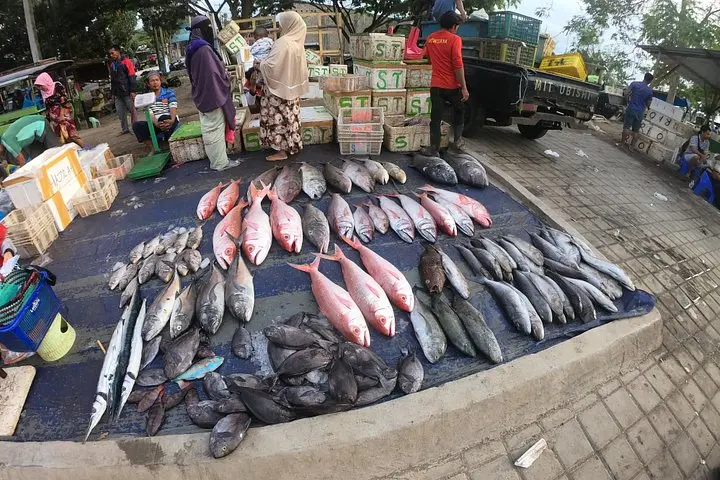
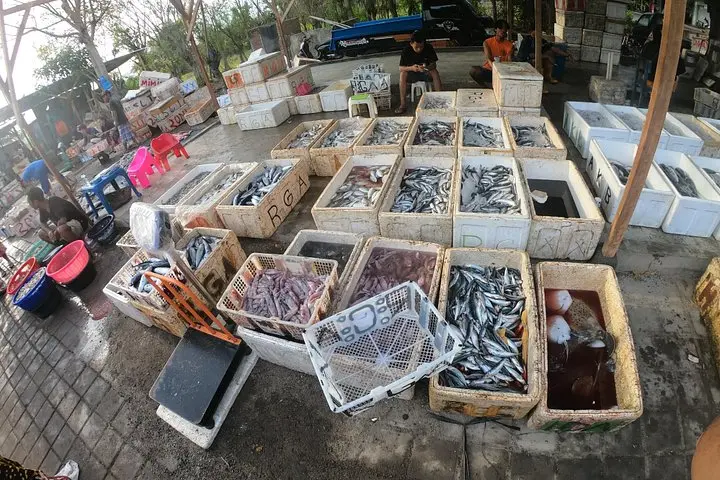
Before dawn, the harbour exhales a wet, metallic breath and the boats return like clockwork — hulks of blue and green heaving with last night’s haul. You step off the minivan into Ampenan’s fish market at 6:30 a.m., where knives flash and the sea’s salt still clings to the air. Vendors shout prices in quick Sasak and Indonesian; a spray of ice and fish scales glitters under shop lights. This is not a staged cultural performance but a city waking by trade.
Before dawn, the harbour exhales a wet, metallic breath and the boats return like clockwork — hulks of blue and green heaving with last night’s haul. You step off the minivan into Ampenan’s fish market at 6:30 a.m., where knives flash and the sea’s salt still clings to the air. Vendors shout prices in quick Sasak and Indonesian; a spray of ice and fish scales glitters under shop lights. This is not a staged cultural performance but a city waking by trade.
Lombok’s markets are practical theaters of daily life. Ampenan grew as Mataram’s port district in the 19th century, a place where merchants from Bali, Java and Sulawesi crossed paths. The fish here tell a geological story too: tuna and mackerel hauled from the Bali Sea, reef snapper from the island’s fringing reefs, and small coastal species that reflect Lombok’s coral and volcanic shores. Walking through Kebon Roek later, you’ll move from marine abundance to the spice and starch of daily cooking—chili, candlenut, and smoked ikan peda—each stall a node in an economy that predates tourism.
Cakranegara is the local pulse. Narrow lanes open into noisy market blocks where women in kebaya haggle beside crates of cassava and trays of kelapa parut (grated coconut). The scene is sensory: the shiver of wet fish, the aroma of palm sugar, the laughter and bargaining that define island commerce. Guides point out Lombok specialties — plecing kangkung (water spinach with sambal), belek (roasted corn snacks), and kue basah (soft cakes) — and explain how ingredients reflect Sasak household traditions.
Practical run-down: tours typically run 1–4 hours with hotel pickup in Mataram or Senggigi. Wear closed shoes with grip; floors are wet and uneven. Carry a small daypack for purchases and hand sanitizer for market handling. Bring cash in small denominations — many stalls are cash-only — and a pocket dictionary app if you want to practice a few Sasak phrases. If you’re photographing, ask permission first; vendors are often happy to pose for a small purchase.
Timing matters: dawn is the most kinetic part of the fish auction; mid-morning the traditional markets relax into routine. Respect local rhythms — avoid intrusive behavior during prayer times, and leave any large, smelly plastic bags behind when you visit food stalls. This morning tour is a short, sensory-rich way to understand Lombok’s foodways, trade networks, and daily life — and to leave with a better sense of how the sea and soil shape culture here.