THE ADVENTURE COLLECTIVE® · Independent discovery and booking for outdoor travel

Spend four days between Amritsar’s iconic heritage and a quiet Punjabi farm stay—visit the Golden Temple and Wagah Border, then unwind with tractor rides, farm-to-table meals, and hands-on rural experiences.
Spend four days between Amritsar’s iconic heritage and a quiet Punjabi farm stay—visit the Golden Temple and Wagah Border, then unwind with tractor rides, farm-to-table meals, and hands-on rural experiences.
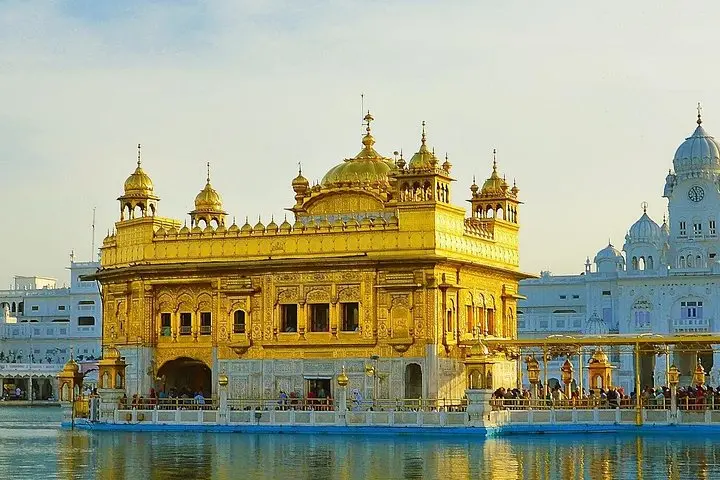
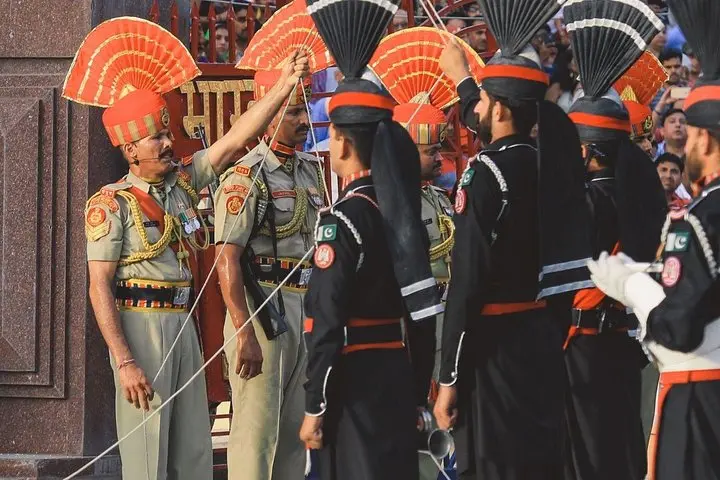
The day begins at dawn with saffron light sliding across the marble of the Golden Temple; pilgrims move like a steady current and the community kitchen hums with quiet efficiency. From the city’s crowded bazaars and the solemn lawn of Jallianwala Bagh to the charged choreography of the Wagah Border ceremony, the first two days deliver the intense, tactile history of Amritsar.
Verified experiences and guided adventures in the surrounding area.
Operated by Voyage D'Élite · Amritsar, Punjab
The day begins at dawn with saffron light sliding across the marble of the Golden Temple; pilgrims move like a steady current and the community kitchen hums with quiet efficiency. From the city’s crowded bazaars and the solemn lawn of Jallianwala Bagh to the charged choreography of the Wagah Border ceremony, the first two days deliver the intense, tactile history of Amritsar.
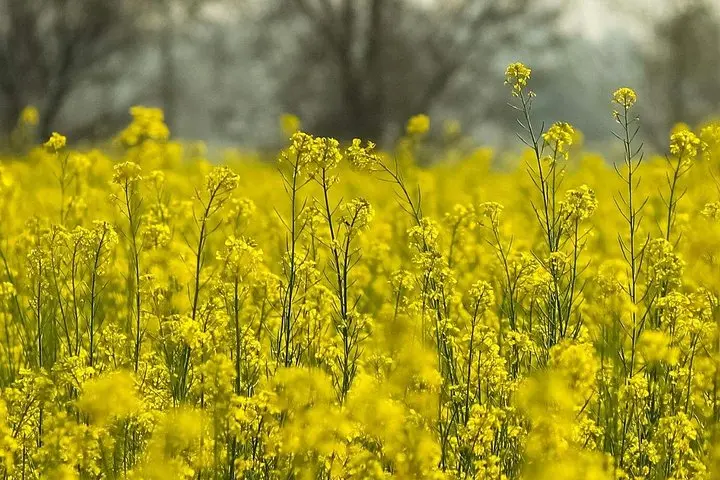
Then the landscape opens. A short drive puts travelers into flat, irrigated fields where mud-and-brick cottages, a small canal and mature trees shape the farm stay. The farm’s rhythm is deliberate: tractor tracks, rooster calls, hands-on bread making and seasonal vegetables arriving at the table. This contrast — civic pageantry and rural routine — is the trip’s central draw.
Amritsar’s story runs from late-16th-century Sikh architecture at Harmandir Sahib to 20th-century independence-era conflicts like the 1919 Jallianwala Bagh massacre. Geologically the region is part of the alluvial plains of the Punjab, sculpted by rivers and irrigation rather than peaks.
Practical guidance: plan early starts for city sites to avoid crowds, carry a light scarf for temple entry and modest clothing for rural areas. Hydrate in the heat, wear breathable fabrics, and bring comfortable walking shoes for uneven streets and farm tracks. Expect simple, eco-focused accommodation at the farm and farm-to-table meals based on seasonally available produce.
Timing tip: spring and winter mornings are coolest for touring; monsoon can make dirt tracks slick. The itinerary suits travelers seeking cultural depth with low-impact, slow-country immersion.
Yes; the itinerary includes a guided visit to the Golden Temple, including time to observe the community kitchen from outside.
Yes; the package includes farm-to-table meals—breakfast, lunch and dinner are provided on most farm days as listed.
Transfers to and from the farm stay are included as part of the multi-day itinerary.
Yes; the trip is described as physically easy and stroller-accessible, though infants must sit on laps during transfers when applicable.
Voyage D'Élite operates guided outdoor trips and adventures with an emphasis on safety, stewardship, and memorable experiences.

The day begins at dawn with saffron light sliding across the marble of the Golden Temple; pilgrims move like a steady current and the community kitchen hums with quiet efficiency. From the city’s crowded bazaars and the solemn lawn of Jallianwala Bagh to the charged choreography of the Wagah Border ceremony, the first two days deliver the intense, tactile history of Amritsar.
The day begins at dawn with saffron light sliding across the marble of the Golden Temple; pilgrims move like a steady current and the community kitchen hums with quiet efficiency. From the city’s crowded bazaars and the solemn lawn of Jallianwala Bagh to the charged choreography of the Wagah Border ceremony, the first two days deliver the intense, tactile history of Amritsar.
Then the landscape opens. A short drive puts travelers into flat, irrigated fields where mud-and-brick cottages, a small canal and mature trees shape the farm stay. The farm’s rhythm is deliberate: tractor tracks, rooster calls, hands-on bread making and seasonal vegetables arriving at the table. This contrast — civic pageantry and rural routine — is the trip’s central draw.
Amritsar’s story runs from late-16th-century Sikh architecture at Harmandir Sahib to 20th-century independence-era conflicts like the 1919 Jallianwala Bagh massacre. Geologically the region is part of the alluvial plains of the Punjab, sculpted by rivers and irrigation rather than peaks.
Practical guidance: plan early starts for city sites to avoid crowds, carry a light scarf for temple entry and modest clothing for rural areas. Hydrate in the heat, wear breathable fabrics, and bring comfortable walking shoes for uneven streets and farm tracks. Expect simple, eco-focused accommodation at the farm and farm-to-table meals based on seasonally available produce.
Timing tip: spring and winter mornings are coolest for touring; monsoon can make dirt tracks slick. The itinerary suits travelers seeking cultural depth with low-impact, slow-country immersion.