THE ADVENTURE COLLECTIVE® · Independent discovery and booking for outdoor travel

Glide through Amsterdam’s 17th-century canal ring on a solar-powered semi-open boat with a 19-language audio guide. This one-hour cruise is an easy, quiet way to see iconic bridges, canal houses, and riverside museums.
Glide through Amsterdam’s 17th-century canal ring on a solar-powered semi-open boat with a 19-language audio guide. This one-hour cruise is an easy, quiet way to see iconic bridges, canal houses, and riverside museums.
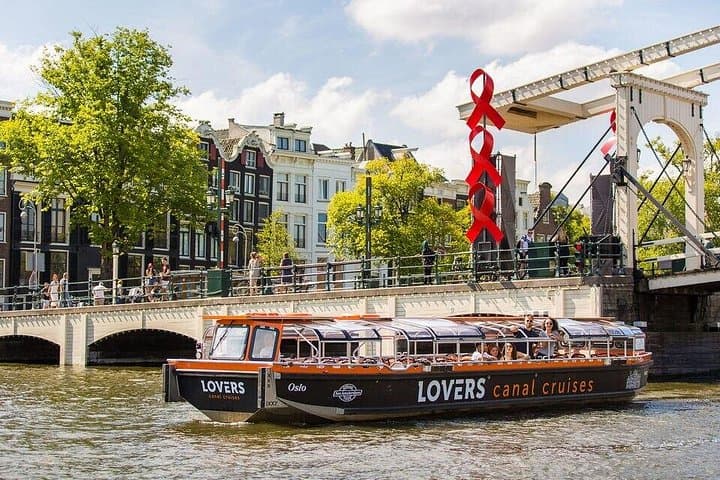
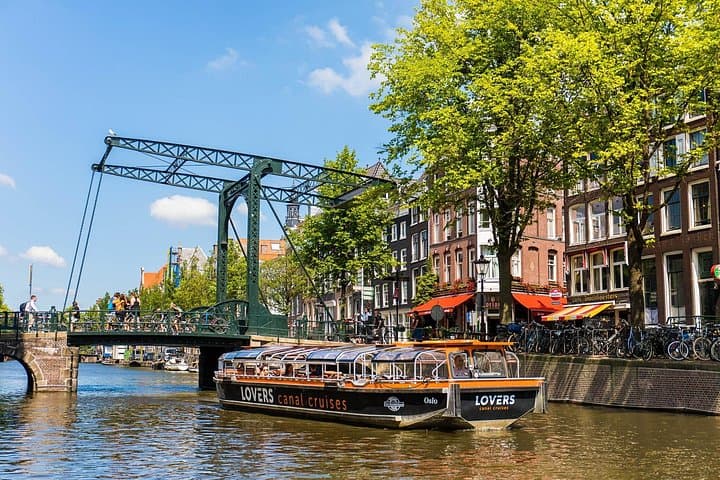
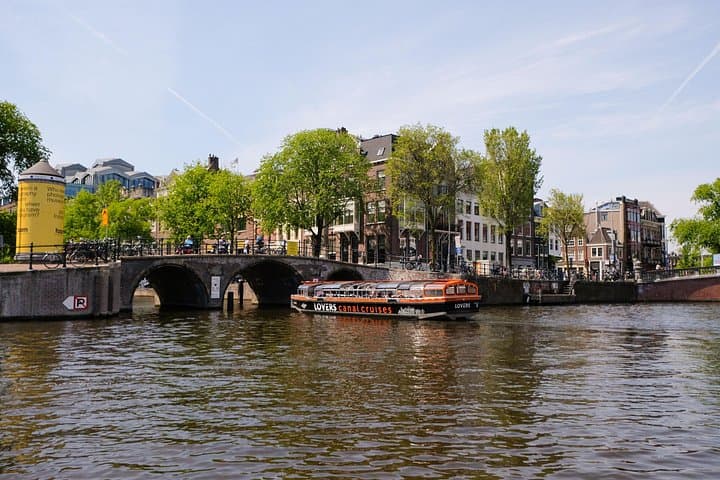
The bow parts a green-brown mirror of brick facades and gabled roofs as the boat slips under an iron bridge. Light ripples across narrow canals; gulls circle and a bell chimes from a distant tower. The semi-open roof gives you the wind on sunnier stretches and shelter when rain comes—a small, confident craft powered by solar panels that lets the city speak without engine roar.
Verified experiences and guided adventures in the surrounding area.
Operated by Tours & Tickets · Amsterdam, North Holland
The bow parts a green-brown mirror of brick facades and gabled roofs as the boat slips under an iron bridge. Light ripples across narrow canals; gulls circle and a bell chimes from a distant tower. The semi-open roof gives you the wind on sunnier stretches and shelter when rain comes—a small, confident craft powered by solar panels that lets the city speak without engine roar.
Amsterdam’s canals date to the 17th-century Golden Age when land was reclaimed from marsh and peat. The concentric canal belt was engineered as transportation, defense, and drainage; the soft ground and reclaimed polders give the city its low, horizontal profile and characteristic leaning houses. Culture here is civic and lived-in: markets, museums, and the Anne Frank House press history against daily life along these waterways.
This one-hour loop is a compact primer—expect to glide past the Magere Brug (Skinny Bridge), the Munt Tower, the Rijksmuseum frontage and quieter canals like the Singel. Each departure follows a slightly different route, so repeat rides still reveal small surprises: a tucked-away courtyard, a row of barges with rooftop gardens.
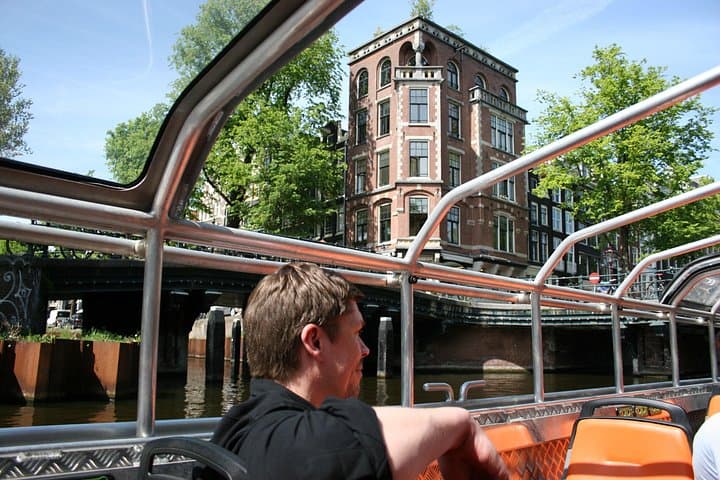
Practical guidance: book a mobile ticket, arrive 10–15 minutes early, and choose a seat on the open side for unobstructed photos. The audio guide is offered in 19 languages and provides historical context without stopping; the pace is gentle and accessible for all fitness levels. Wear layers, bring a small waterproof (the roof closes quickly), and keep a hand free for your camera—the city is best appreciated from water level.
The onboard audio guide is offered in 19 languages—select your language at boarding or via the supplied unit.
Boats and boarding conditions vary; operators list the tour as suitable for most fitness levels—contact the provider ahead to confirm specific accessibility arrangements.
Standing is allowed when crew deems it safe; during low bridges or rough water you’ll be asked to sit for safety.
The semi-open roof closes quickly to shelter passengers; the cruise runs in most weather unless safety conditions force cancellation—check the 24-hour refund policy for changes.
Tours & Tickets operates guided outdoor trips and adventures with an emphasis on safety, stewardship, and memorable experiences.
The bow parts a green-brown mirror of brick facades and gabled roofs as the boat slips under an iron bridge. Light ripples across narrow canals; gulls circle and a bell chimes from a distant tower. The semi-open roof gives you the wind on sunnier stretches and shelter when rain comes—a small, confident craft powered by solar panels that lets the city speak without engine roar.
The bow parts a green-brown mirror of brick facades and gabled roofs as the boat slips under an iron bridge. Light ripples across narrow canals; gulls circle and a bell chimes from a distant tower. The semi-open roof gives you the wind on sunnier stretches and shelter when rain comes—a small, confident craft powered by solar panels that lets the city speak without engine roar.
Amsterdam’s canals date to the 17th-century Golden Age when land was reclaimed from marsh and peat. The concentric canal belt was engineered as transportation, defense, and drainage; the soft ground and reclaimed polders give the city its low, horizontal profile and characteristic leaning houses. Culture here is civic and lived-in: markets, museums, and the Anne Frank House press history against daily life along these waterways.
This one-hour loop is a compact primer—expect to glide past the Magere Brug (Skinny Bridge), the Munt Tower, the Rijksmuseum frontage and quieter canals like the Singel. Each departure follows a slightly different route, so repeat rides still reveal small surprises: a tucked-away courtyard, a row of barges with rooftop gardens.
Practical guidance: book a mobile ticket, arrive 10–15 minutes early, and choose a seat on the open side for unobstructed photos. The audio guide is offered in 19 languages and provides historical context without stopping; the pace is gentle and accessible for all fitness levels. Wear layers, bring a small waterproof (the roof closes quickly), and keep a hand free for your camera—the city is best appreciated from water level.