THE ADVENTURE COLLECTIVE® · Independent discovery and booking for outdoor travel

Walk the canals, cross lock bridges, and hear the city’s history from a local guide on this 2.5‑hour small-group tour. Perfect for first-time visitors who want landmarks, local stories, and practical tips in a single outing.
Walk the canals, cross lock bridges, and hear the city’s history from a local guide on this 2.5‑hour small-group tour. Perfect for first-time visitors who want landmarks, local stories, and practical tips in a single outing.
A damp breeze from the canals meets you as the group gathers — bicycles clatter past and the water seems to lean closer, mirroring brick façades and tilted gables. This 2.5-hour semi-private walk threads the old heart of Amsterdam: lock bridges, narrow merchant houses, and squares where markets still pulse.
Verified experiences and guided adventures in the surrounding area.
Operated by Babylon Tours Amsterdam · Amsterdam, North Holland
A damp breeze from the canals meets you as the group gathers — bicycles clatter past and the water seems to lean closer, mirroring brick façades and tilted gables. This 2.5-hour semi-private walk threads the old heart of Amsterdam: lock bridges, narrow merchant houses, and squares where markets still pulse.
The route traces layers of history. You move from medieval towers like the Schreierstoren through 17th‑century canal mansions built during the Dutch Golden Age, past the former Dutch East India Company courtyard and the compact Begijnhof courtyard. Geology is subtle here — the city’s reclaimed peat plain and engineered dikes shaped its grid and spurred the narrow, tall housing that taxed by frontage.
Culture surfaces in ordinary details: gable stones that quietly advertise centuries-old trades, the café doorway serving apple pie since the 17th century, and canal locks that still manage the city’s water with practiced patience. Guides point out how religious freedom, trade, and urban engineering combined to make Amsterdam what it is.
Practical guidance: wear comfortable, broken‑in shoes — cobbles and canal-side stones demand attention. Bring a small umbrella or lightweight rain shell; tours run rain or shine. There’s a snack and restroom break mid‑route, and groups are capped at 12, so conversation stays personal. Plan to start mid-morning or late afternoon to avoid the busiest crowds near Dam and Anne Frank House. Keep valuables secure — narrow streets and crowded squares are prime for distraction theft. With a curious stride and sensible gear, this walk offers a compact, well-paced primer on Amsterdam’s urban story.
Meeting points are in the historic city center near Dam Square; the tour ends at a picturesque canal corner close to central landmarks mentioned during the walk.
Children are welcome and strollers are accessible on much of the route, but parents should expect cobblestones and occasional narrow passages.
No — this walking tour focuses on exterior views and storytelling; museum admissions, when mentioned, are not included.
Full refunds are available if canceled at least 24 hours before departure; the tour requires a minimum of two guests to run and will be adjusted or refunded if it cannot operate.
Babylon Tours Amsterdam operates guided outdoor trips and adventures with an emphasis on safety, stewardship, and memorable experiences.
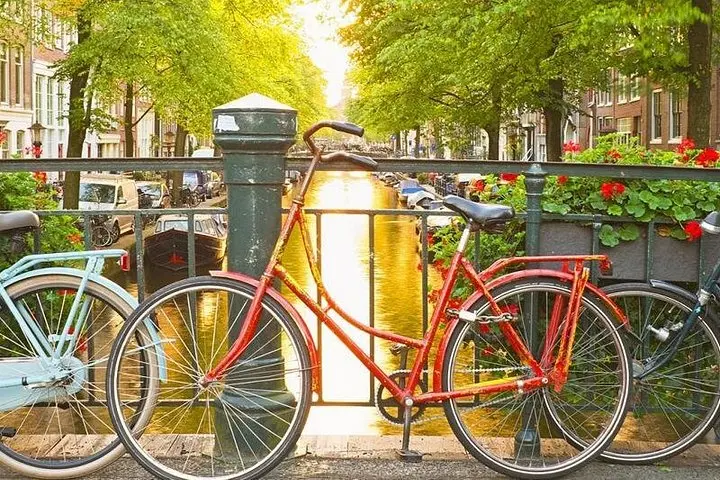
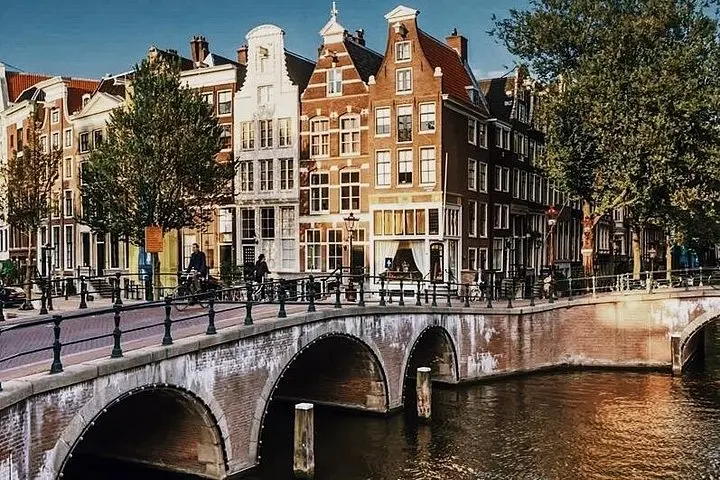
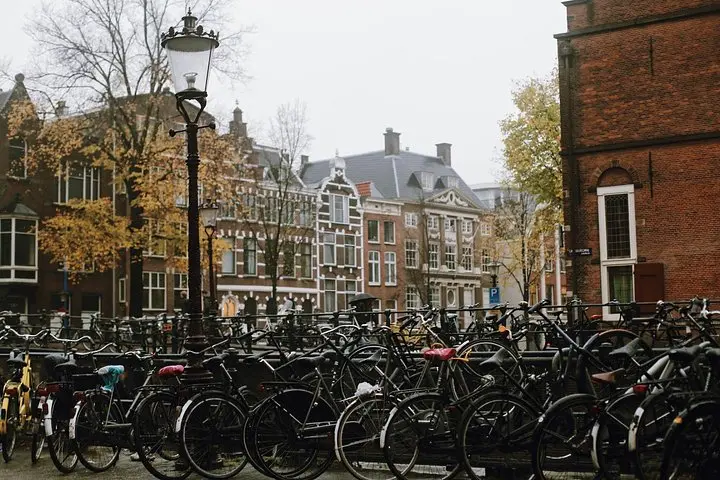
A damp breeze from the canals meets you as the group gathers — bicycles clatter past and the water seems to lean closer, mirroring brick façades and tilted gables. This 2.5-hour semi-private walk threads the old heart of Amsterdam: lock bridges, narrow merchant houses, and squares where markets still pulse.
A damp breeze from the canals meets you as the group gathers — bicycles clatter past and the water seems to lean closer, mirroring brick façades and tilted gables. This 2.5-hour semi-private walk threads the old heart of Amsterdam: lock bridges, narrow merchant houses, and squares where markets still pulse.
The route traces layers of history. You move from medieval towers like the Schreierstoren through 17th‑century canal mansions built during the Dutch Golden Age, past the former Dutch East India Company courtyard and the compact Begijnhof courtyard. Geology is subtle here — the city’s reclaimed peat plain and engineered dikes shaped its grid and spurred the narrow, tall housing that taxed by frontage.
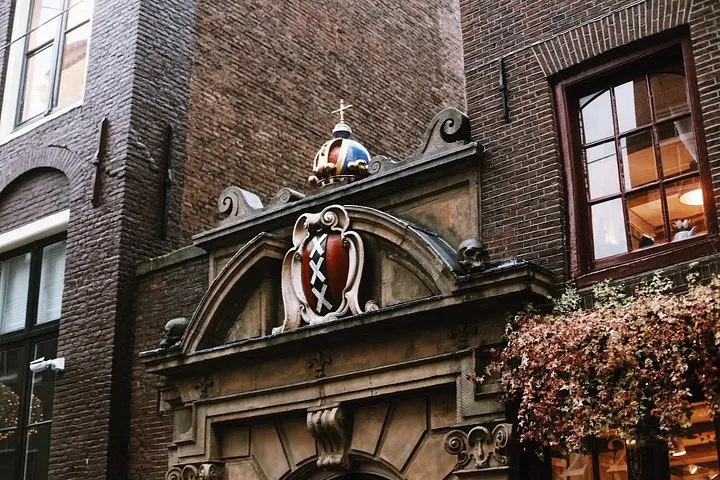
Culture surfaces in ordinary details: gable stones that quietly advertise centuries-old trades, the café doorway serving apple pie since the 17th century, and canal locks that still manage the city’s water with practiced patience. Guides point out how religious freedom, trade, and urban engineering combined to make Amsterdam what it is.
Practical guidance: wear comfortable, broken‑in shoes — cobbles and canal-side stones demand attention. Bring a small umbrella or lightweight rain shell; tours run rain or shine. There’s a snack and restroom break mid‑route, and groups are capped at 12, so conversation stays personal. Plan to start mid-morning or late afternoon to avoid the busiest crowds near Dam and Anne Frank House. Keep valuables secure — narrow streets and crowded squares are prime for distraction theft. With a curious stride and sensible gear, this walk offers a compact, well-paced primer on Amsterdam’s urban story.