THE ADVENTURE COLLECTIVE® · Independent discovery and booking for outdoor travel

Explore Amsterdam’s heart on a focused two-hour walking tour that visits Dam Square, the canal ring and tucked-away courtyards. A local guide connects Golden Age history, urban engineering and contemporary city life in an accessible route through the inner city.
Explore Amsterdam’s heart on a focused two-hour walking tour that visits Dam Square, the canal ring and tucked-away courtyards. A local guide connects Golden Age history, urban engineering and contemporary city life in an accessible route through the inner city.
Step off a tram and the city rearranges itself around you: narrow canals dare you to follow their curves, gabled houses lean in to whisper about merchants and tides, and the bells over Dam Square mark time kept by centuries of trade.
Verified experiences and guided adventures in the surrounding area.
Operated by Trigger Tours · Amsterdam, North Holland
Step off a tram and the city rearranges itself around you: narrow canals dare you to follow their curves, gabled houses lean in to whisper about merchants and tides, and the bells over Dam Square mark time kept by centuries of trade.
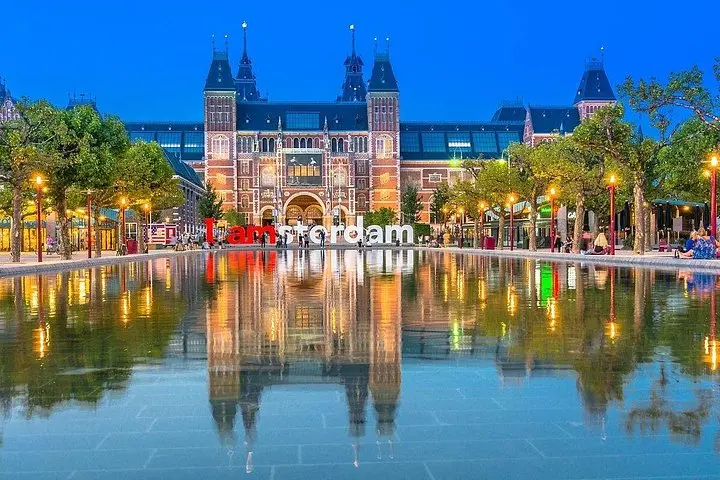
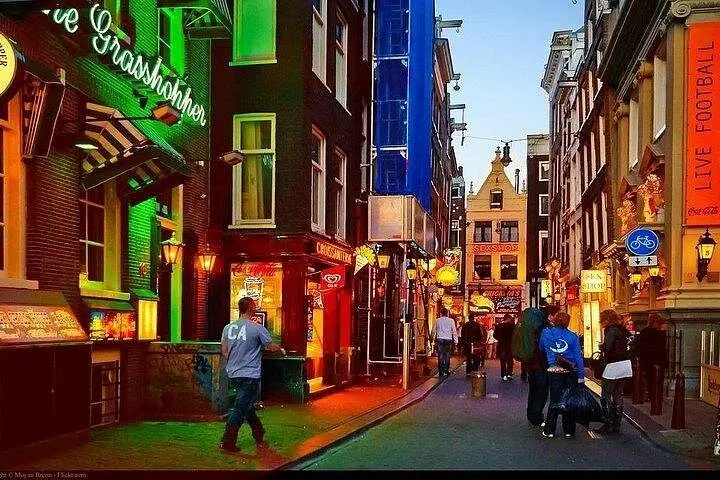
This two-hour walking tour threads through Amsterdam’s core—Dam Square, the UNESCO canal ring, Begijnhof and the crooked houses that grew from the 17th-century Golden Age. Geologically, the city sits on peat and clay settled on wooden piles, which is why canals and careful engineering shaped urban life here. Culturally, the tour touches on the city’s transformation from a fishing settlement into a global trading hub and explains how social policies—like the Netherlands’ regulated approach to sex work—are part of the modern urban fabric.
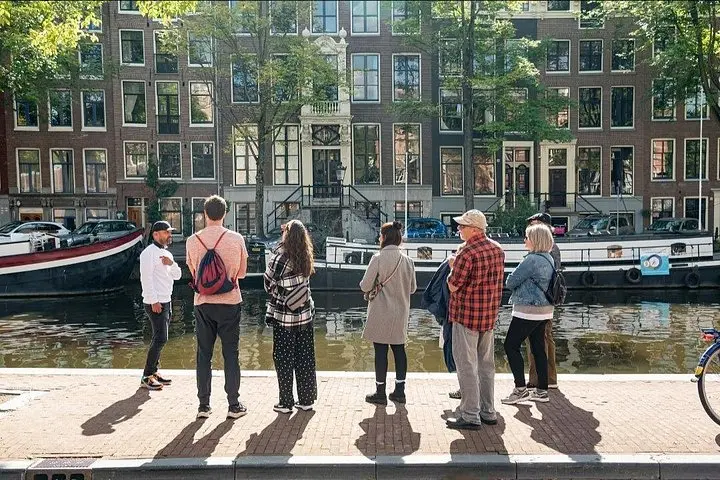
Expect close-up views rather than museum stops: the route passes courtyards, civic architecture and narrow streets where stories of merchants and artisans come alive through an expert guide’s local context. The guide will point out how canal construction forced innovation in urban planning and how constant upkeep keeps the ring viable today.
Practical guidance: wear supportive shoes for cobbles, bring a compact rain jacket for sudden showers, and be bike-aware—cyclists are the fastest residents here. Start early to avoid peak crowds, and use an OV-chipkaart or a day tram pass to reach the meeting point if you’re staying outside the center. The tour is largely flat and suitable for most fitness levels, but uneven pavement and narrow lanes mean it’s not ideal for wide strollers or some mobility aids.
Most shared tours are offered in English; private or special-language tours may be available on request—confirm at booking.
The route centers on Amsterdam’s inner city and typically finishes at Dam Square; the booking confirmation specifies the exact meeting point.
The route is largely flat but includes cobblestones and narrow streets that can be challenging for some wheelchairs and wide strollers—contact the operator for accommodations.
Service animals are permitted; notify the operator in advance so the guide can accommodate any access needs.
Trigger Tours operates guided outdoor trips and adventures with an emphasis on safety, stewardship, and memorable experiences.

Step off a tram and the city rearranges itself around you: narrow canals dare you to follow their curves, gabled houses lean in to whisper about merchants and tides, and the bells over Dam Square mark time kept by centuries of trade.
Step off a tram and the city rearranges itself around you: narrow canals dare you to follow their curves, gabled houses lean in to whisper about merchants and tides, and the bells over Dam Square mark time kept by centuries of trade.
This two-hour walking tour threads through Amsterdam’s core—Dam Square, the UNESCO canal ring, Begijnhof and the crooked houses that grew from the 17th-century Golden Age. Geologically, the city sits on peat and clay settled on wooden piles, which is why canals and careful engineering shaped urban life here. Culturally, the tour touches on the city’s transformation from a fishing settlement into a global trading hub and explains how social policies—like the Netherlands’ regulated approach to sex work—are part of the modern urban fabric.
Expect close-up views rather than museum stops: the route passes courtyards, civic architecture and narrow streets where stories of merchants and artisans come alive through an expert guide’s local context. The guide will point out how canal construction forced innovation in urban planning and how constant upkeep keeps the ring viable today.
Practical guidance: wear supportive shoes for cobbles, bring a compact rain jacket for sudden showers, and be bike-aware—cyclists are the fastest residents here. Start early to avoid peak crowds, and use an OV-chipkaart or a day tram pass to reach the meeting point if you’re staying outside the center. The tour is largely flat and suitable for most fitness levels, but uneven pavement and narrow lanes mean it’s not ideal for wide strollers or some mobility aids.