THE ADVENTURE COLLECTIVE® · Independent discovery and booking for outdoor travel

Cycle from the old canal rings to the raw creativity of Amsterdam Noord on a three-hour combi tour that combines ferry time, industrial art and stories about the city’s fight against water.
Cycle from the old canal rings to the raw creativity of Amsterdam Noord on a three-hour combi tour that combines ferry time, industrial art and stories about the city’s fight against water.
You set off from a canal-side quay, pedals whispering on cobbles, while the city’s water — canals, rivers and the IJ — quietly challenges you to read its history.
Verified experiences and guided adventures in the surrounding area.
Operated by Those Two Guides · Amsterdam, North Holland
You set off from a canal-side quay, pedals whispering on cobbles, while the city’s water — canals, rivers and the IJ — quietly challenges you to read its history.
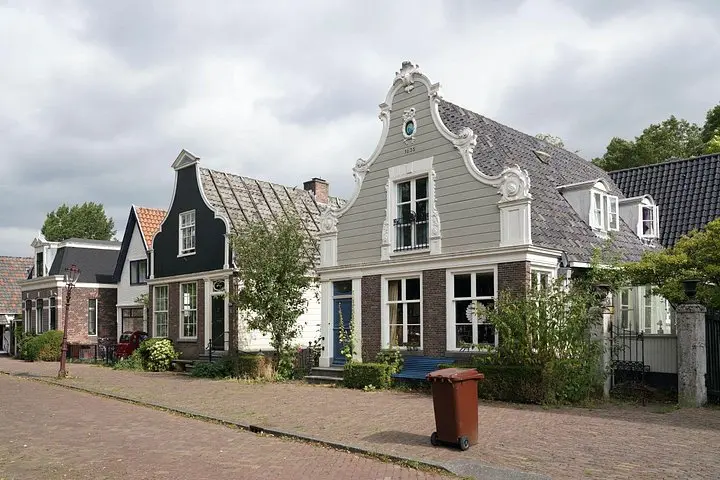
The three-hour combi tour threads between the compact medieval core and the industrial north, using a free short ferry to cross the IJ. Riders pass leaning gabled houses near Dam Square, wooden houses built on old dikes, and windmills that recall the engineering that reclaimed and held back the North Sea.
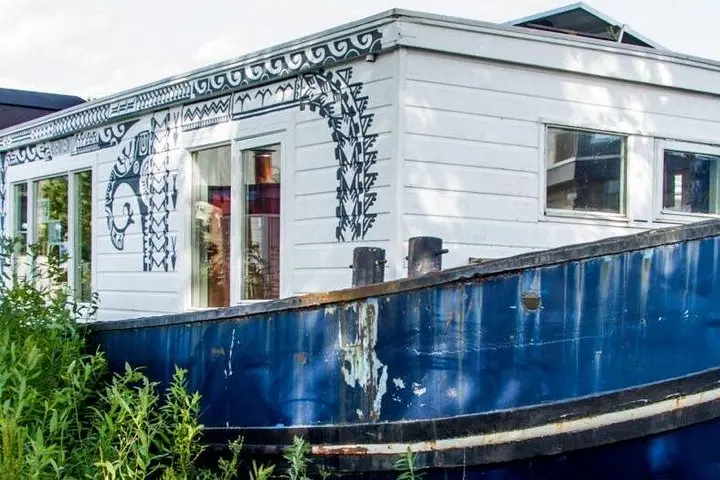
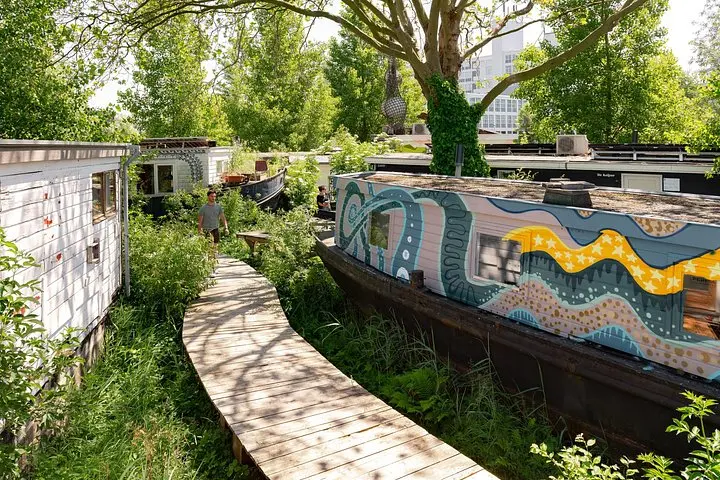
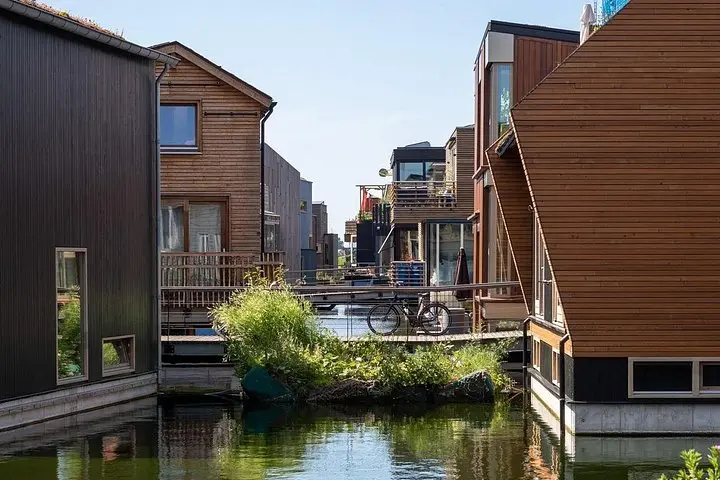
Geology here is subtle: flat polders and engineered waterways rather than dramatic relief, but what the land lacks in elevation it makes up for in human ingenuity. The north bank’s former shipyards have become NDSM — a raw, graffiti-rich creative district that shows Amsterdam’s industrial afterlife. Cultural notes include the Dutch battle with water, merchant legacy along the canals, and contemporary sustainability experiments such as the Schoon Schip floating neighborhood.
Practicalities are straightforward: expect roughly 8–12 km of mixed urban cycling over three hours with minimal elevation; surface types are cobbles, cycle paths and light car streets. Moderate fitness and confident traffic-handling are required; the guide times short stops for photos and context. Bring a rain layer and closed-toe shoes, carry a small lock if you want to explore off-bike, and arrive 10–15 minutes early for sizing and a safety briefing.
This ride balances history with the city of now — a compact, social way to see how Amsterdam’s relationship with water shaped both its past and its future.
Bikes typically come without helmets; wearing one is recommended but not always required — check provider policy and bring your own if you prefer.
The route is flat but requires moderate fitness and comfort sharing space with city traffic for several kilometers.
Minimum age isn’t specified here; operators often recommend older children who can ride confidently — confirm during booking.
The tour may be canceled for heavy rain or unsafe conditions; cancellation policies allow refunds if canceled at least 24 hours prior.
Those Two Guides operates guided outdoor trips and adventures with an emphasis on safety, stewardship, and memorable experiences.
You set off from a canal-side quay, pedals whispering on cobbles, while the city’s water — canals, rivers and the IJ — quietly challenges you to read its history.
You set off from a canal-side quay, pedals whispering on cobbles, while the city’s water — canals, rivers and the IJ — quietly challenges you to read its history.
The three-hour combi tour threads between the compact medieval core and the industrial north, using a free short ferry to cross the IJ. Riders pass leaning gabled houses near Dam Square, wooden houses built on old dikes, and windmills that recall the engineering that reclaimed and held back the North Sea.
Geology here is subtle: flat polders and engineered waterways rather than dramatic relief, but what the land lacks in elevation it makes up for in human ingenuity. The north bank’s former shipyards have become NDSM — a raw, graffiti-rich creative district that shows Amsterdam’s industrial afterlife. Cultural notes include the Dutch battle with water, merchant legacy along the canals, and contemporary sustainability experiments such as the Schoon Schip floating neighborhood.
Practicalities are straightforward: expect roughly 8–12 km of mixed urban cycling over three hours with minimal elevation; surface types are cobbles, cycle paths and light car streets. Moderate fitness and confident traffic-handling are required; the guide times short stops for photos and context. Bring a rain layer and closed-toe shoes, carry a small lock if you want to explore off-bike, and arrive 10–15 minutes early for sizing and a safety briefing.
This ride balances history with the city of now — a compact, social way to see how Amsterdam’s relationship with water shaped both its past and its future.