THE ADVENTURE COLLECTIVE® · Independent discovery and booking for outdoor travel

Walk the streets where Amsterdam’s queer history unfolds—memorials, hidden archives, and long-running bars. This 2–3 hour private city-walk mixes culture, policy milestones, and practical local tips for first-time visitors.
Walk the streets where Amsterdam’s queer history unfolds—memorials, hidden archives, and long-running bars. This 2–3 hour private city-walk mixes culture, policy milestones, and practical local tips for first-time visitors.
You step off a tram into a city of canals that still remembers how water shaped its ideas—slick cobbles underfoot, canals daring you to look deeper, and narrow alleys that keep the city’s pockets of history close. This light walking tour threads through Amsterdam’s gay quarter, past memorials, cafes, and the OBA library where archives breathe life into forgotten stories.
Verified experiences and guided adventures in the surrounding area.
Operated by Alex · Amsterdam, Noord-Holland
You step off a tram into a city of canals that still remembers how water shaped its ideas—slick cobbles underfoot, canals daring you to look deeper, and narrow alleys that keep the city’s pockets of history close. This light walking tour threads through Amsterdam’s gay quarter, past memorials, cafes, and the OBA library where archives breathe life into forgotten stories.
Amsterdam’s LGBTQ story is both modern and rooted: the Netherlands became the first country to legalize same-sex marriage in 2001, but the city’s queer culture stretches back through the 20th century—bars that resisted conformity, monuments that honor victims of persecution, and public campaigns that pushed national policy ahead of its time. Geologically the city sits on reclaimed land and wooden piles; that same ingenuity shaped neighborhoods that became safe spaces for alternative communities.
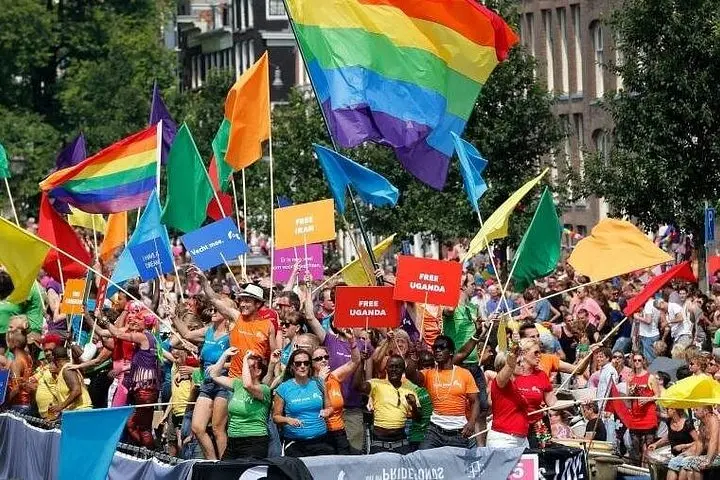
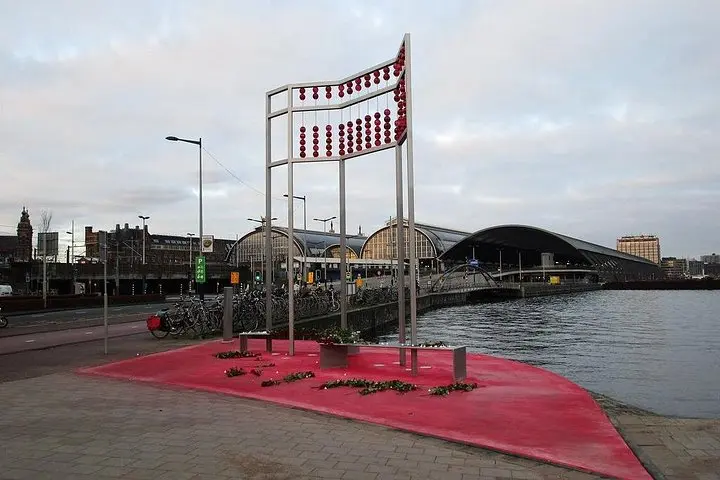
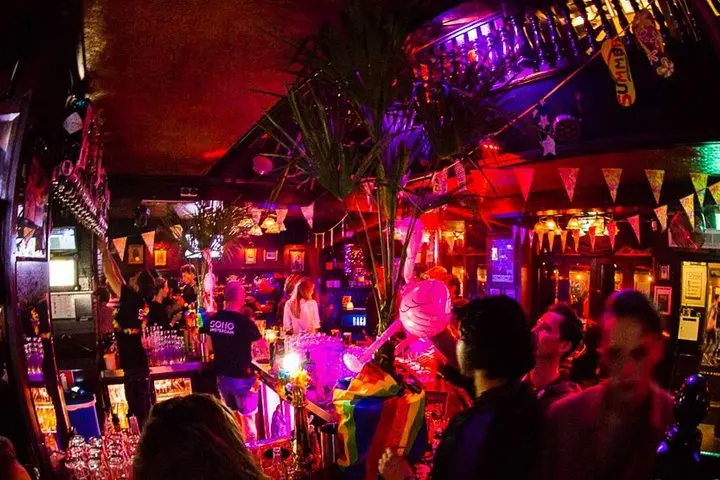
Expect a curated 2–3 hour walk that pauses at the HIV/AIDS monument, the IHLIA heritage collection, historic bars on Zeedijk, and quieter canal-front lanes where local stories surface. Guides balance social history with practical local tips: where to find rainbow-flagged bars, low-key cafes for a break, and the annual Pride events that escalate from local parades to citywide celebrations.
Practical guidance: wear grippy shoes for narrow bridges, bring a rain layer (Amsterdam weather turns quickly), and carry a map app—streets loop and names repeat. Be mindful at memorials: photographs are fine, but quiet respect is expected. If you need pickup, note the tour’s limited private pickup policy; otherwise meet by a central tram stop and plan for a relaxed, informative stroll through one of Europe’s most open cities.
The tour lasts about 2–3 hours with moderate walking on flat but sometimes uneven streets and bridges; expect frequent stops for stories and sights.
Service animals are allowed; the tour is described as physically easy but contact the operator beforehand for specific accessibility needs or pickup arrangements.
Mobile or paper tickets are accepted; full refund available if cancelled at least 24 hours before departure. The tour requires manual confirmation after booking.
Yes—guides provide local context and public transport tips; meeting is near central tram stops and the itinerary is designed for first-time visitors.
Alex operates guided outdoor trips and adventures with an emphasis on safety, stewardship, and memorable experiences.
You step off a tram into a city of canals that still remembers how water shaped its ideas—slick cobbles underfoot, canals daring you to look deeper, and narrow alleys that keep the city’s pockets of history close. This light walking tour threads through Amsterdam’s gay quarter, past memorials, cafes, and the OBA library where archives breathe life into forgotten stories.
You step off a tram into a city of canals that still remembers how water shaped its ideas—slick cobbles underfoot, canals daring you to look deeper, and narrow alleys that keep the city’s pockets of history close. This light walking tour threads through Amsterdam’s gay quarter, past memorials, cafes, and the OBA library where archives breathe life into forgotten stories.
Amsterdam’s LGBTQ story is both modern and rooted: the Netherlands became the first country to legalize same-sex marriage in 2001, but the city’s queer culture stretches back through the 20th century—bars that resisted conformity, monuments that honor victims of persecution, and public campaigns that pushed national policy ahead of its time. Geologically the city sits on reclaimed land and wooden piles; that same ingenuity shaped neighborhoods that became safe spaces for alternative communities.
Expect a curated 2–3 hour walk that pauses at the HIV/AIDS monument, the IHLIA heritage collection, historic bars on Zeedijk, and quieter canal-front lanes where local stories surface. Guides balance social history with practical local tips: where to find rainbow-flagged bars, low-key cafes for a break, and the annual Pride events that escalate from local parades to citywide celebrations.
Practical guidance: wear grippy shoes for narrow bridges, bring a rain layer (Amsterdam weather turns quickly), and carry a map app—streets loop and names repeat. Be mindful at memorials: photographs are fine, but quiet respect is expected. If you need pickup, note the tour’s limited private pickup policy; otherwise meet by a central tram stop and plan for a relaxed, informative stroll through one of Europe’s most open cities.