THE ADVENTURE COLLECTIVE® · Independent discovery and booking for outdoor travel

Solve cryptic puzzles across Amsterdam’s canal ring while learning real Golden Age history. This 2‑hour, 3 km walking treasure hunt turns architecture and alleys into a living escape game—bring curiosity and comfortable shoes.
Solve cryptic puzzles across Amsterdam’s canal ring while learning real Golden Age history. This 2‑hour, 3 km walking treasure hunt turns architecture and alleys into a living escape game—bring curiosity and comfortable shoes.
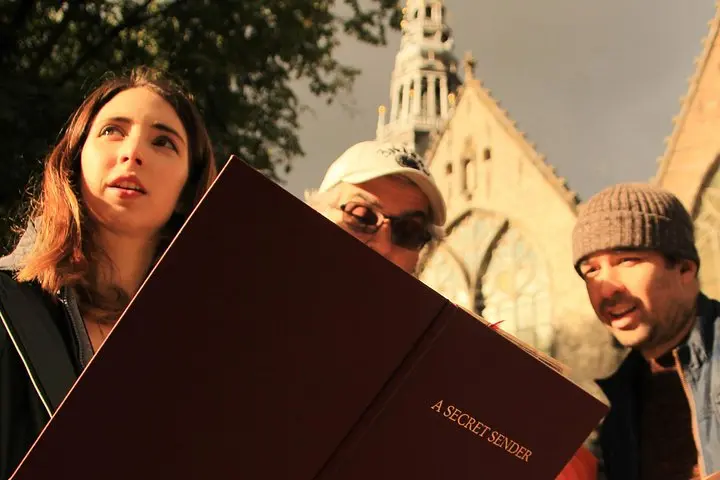
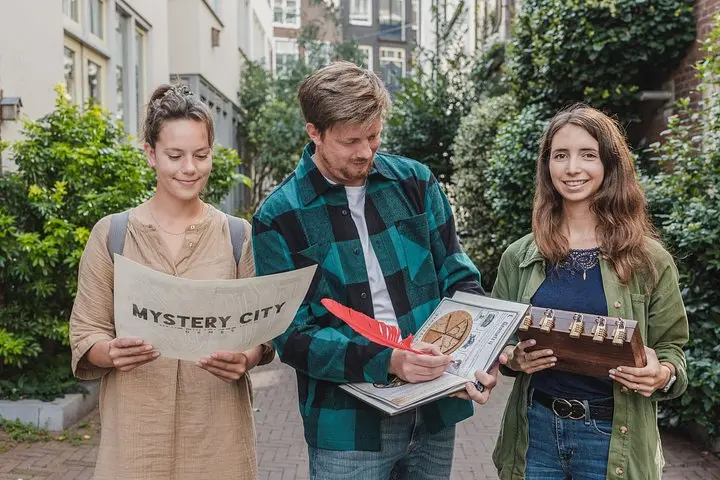
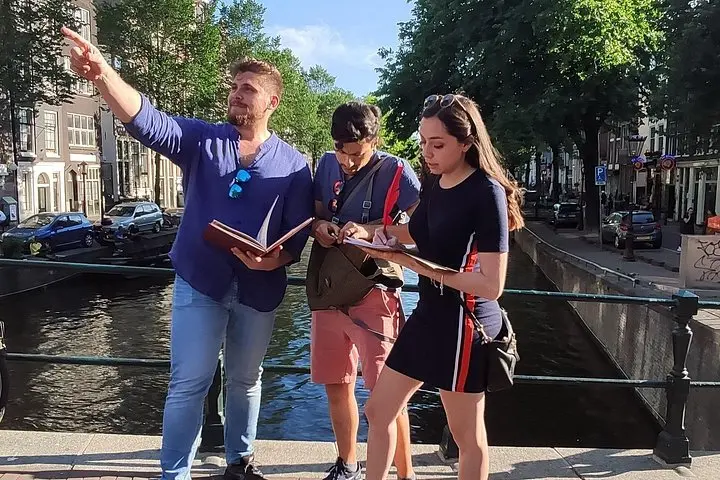
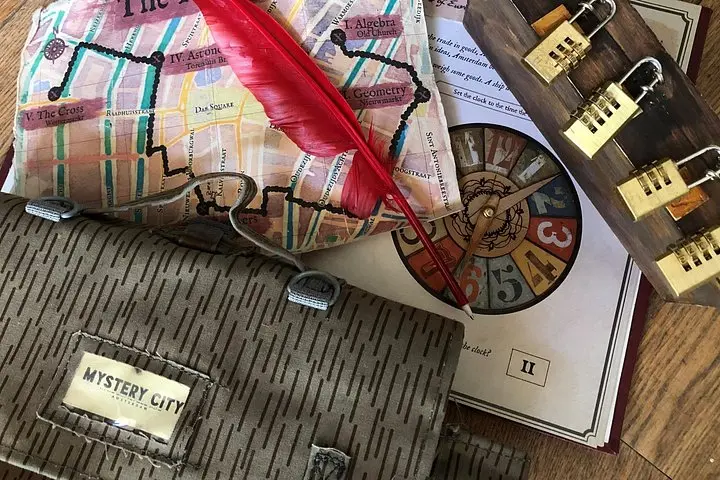
A cool morning in Amsterdam’s canal ring sets the stage: narrow gables lean over water, bicycles clatter on cobbles, and a small backpack is handed over—inside, an old book, a locked box and cryptic tools. Teams step off along a 3 km route through the historic center, scanning façades and public squares for architecture that doubles as clueboard.
Verified experiences and guided adventures in the surrounding area.
Operated by Mystery City Games · Amsterdam, North Holland
A cool morning in Amsterdam’s canal ring sets the stage: narrow gables lean over water, bicycles clatter on cobbles, and a small backpack is handed over—inside, an old book, a locked box and cryptic tools. Teams step off along a 3 km route through the historic center, scanning façades and public squares for architecture that doubles as clueboard.
The game riffs on Golden Age Amsterdam: merchant wealth, clandestine societies and handwritten correspondence. Players encounter real 17th-century buildings and public monuments whose design and inscriptions are woven into puzzle answers. Geologically the city sits on reclaimed peat and clay, its streets supported by wooden piles—an odd, soggy foundation that shaped narrow lots and tall houses, and the canals that now frame the hunt.
Culturally the experience reads like an active walking tour; expect true local anecdotes about merchants, printing presses and clandestine clubs, balanced with playful fiction. Local tips: look for small inscriptions, courtyards, and the bookstalls at Spui between puzzles.
Practical guidance: the route is flat but cobbled—comfortable shoes and a charged phone for hints matter. The activity runs about two hours and covers ~3 km through busy pedestrian areas; morning or late afternoon slots avoid peak crowds. It’s stroller-accessible and language options include English, Dutch, French, German, Spanish and Italian. Public transport drops you close to the start; leave valuables secured, watch for cyclists at junctions, and budget an extra 30–45 minutes to linger at a café or to retrace a favorite clue. The hunt is equal parts city history and hands-on problem solving—best for small groups who like steady walking and clever puzzles.
The experience lasts about 2 hours and covers roughly 3 km through Amsterdam’s city center.
The route is generally flat and stroller-accessible; some narrow passages or cobbles may be less comfortable for wheelchairs—contact the operator for specifics.
The game is available in English, Dutch, French, German, Spanish and Italian.
No—mobile tickets are accepted, and the kit includes a phone for hints if needed.
Mystery City Games operates guided outdoor trips and adventures with an emphasis on safety, stewardship, and memorable experiences.
A cool morning in Amsterdam’s canal ring sets the stage: narrow gables lean over water, bicycles clatter on cobbles, and a small backpack is handed over—inside, an old book, a locked box and cryptic tools. Teams step off along a 3 km route through the historic center, scanning façades and public squares for architecture that doubles as clueboard.
A cool morning in Amsterdam’s canal ring sets the stage: narrow gables lean over water, bicycles clatter on cobbles, and a small backpack is handed over—inside, an old book, a locked box and cryptic tools. Teams step off along a 3 km route through the historic center, scanning façades and public squares for architecture that doubles as clueboard.
The game riffs on Golden Age Amsterdam: merchant wealth, clandestine societies and handwritten correspondence. Players encounter real 17th-century buildings and public monuments whose design and inscriptions are woven into puzzle answers. Geologically the city sits on reclaimed peat and clay, its streets supported by wooden piles—an odd, soggy foundation that shaped narrow lots and tall houses, and the canals that now frame the hunt.
Culturally the experience reads like an active walking tour; expect true local anecdotes about merchants, printing presses and clandestine clubs, balanced with playful fiction. Local tips: look for small inscriptions, courtyards, and the bookstalls at Spui between puzzles.
Practical guidance: the route is flat but cobbled—comfortable shoes and a charged phone for hints matter. The activity runs about two hours and covers ~3 km through busy pedestrian areas; morning or late afternoon slots avoid peak crowds. It’s stroller-accessible and language options include English, Dutch, French, German, Spanish and Italian. Public transport drops you close to the start; leave valuables secured, watch for cyclists at junctions, and budget an extra 30–45 minutes to linger at a café or to retrace a favorite clue. The hunt is equal parts city history and hands-on problem solving—best for small groups who like steady walking and clever puzzles.