THE ADVENTURE COLLECTIVE® · Independent discovery and booking for outdoor travel

Explore De Pijp by solving location-based riddles that guide you from Sarphatipark to Albert Cuyp and Rijksmuseum. This 60–90 minute self-guided city game combines local stories, market stops, and small urban secrets into a playful walking discovery.
Explore De Pijp by solving location-based riddles that guide you from Sarphatipark to Albert Cuyp and Rijksmuseum. This 60–90 minute self-guided city game combines local stories, market stops, and small urban secrets into a playful walking discovery.
A late-morning sun warms the cobbles as you step into De Pijp, phone in hand and a string of riddles waiting to be unlocked. The narrow streets open into Sarphatipark, where plane trees lean in and the canal edges dare you to look closer. Voices from the Albert Cuyp Market drift on the breeze—haggling, the clink of a coffee cup, the scent of warm stroopwafels.
Verified experiences and guided adventures in the surrounding area.
Operated by Secret City Trails · Amsterdam, North Holland
A late-morning sun warms the cobbles as you step into De Pijp, phone in hand and a string of riddles waiting to be unlocked. The narrow streets open into Sarphatipark, where plane trees lean in and the canal edges dare you to look closer. Voices from the Albert Cuyp Market drift on the breeze—haggling, the clink of a coffee cup, the scent of warm stroopwafels.
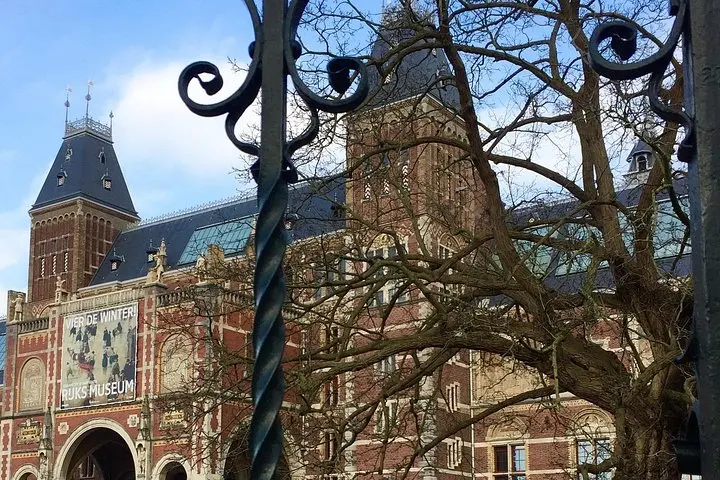
De Pijp was built in the late 19th century as a dense, working-class district and has since become a multicultural artery of Amsterdam. Its geometry—grid-like streets cut by canals and punctuated by Market and Museumplein—reflects rapid urban growth and the city’s mercantile past. Architecture alternates between narrow merchant houses and bold facade details on cultural institutions; the Rijksmuseum’s front faces the open museum square like a patient host.
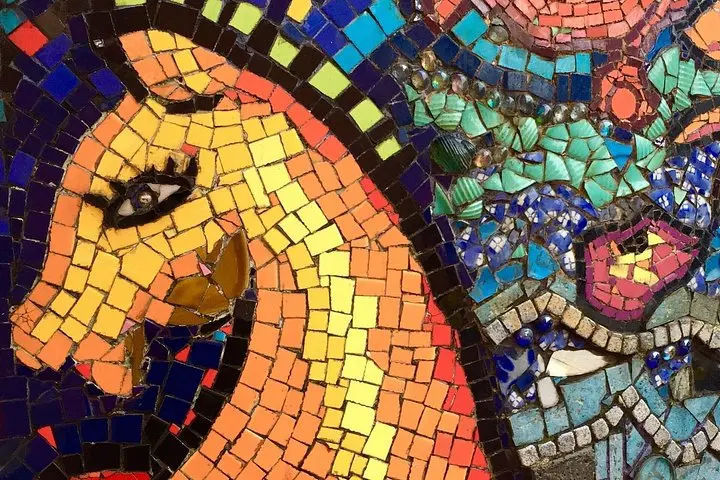
This self-guided, browser-based game threads local stories with small discoveries: a café that swings its patrons, secret facade details on the Rijksmuseum, murals tucked down back streets, and market stalls where you can sample Dutch treats. It’s equal parts puzzle and walking tour—60–90 minutes of urban navigation that rewards curiosity.
Practical edge: bring a fully charged smartphone, comfortable shoes, and a light rain layer. Peak market hours (late morning) are liveliest; if you prefer quieter streets start early. Public transit drops you close; the route is stroller-friendly but uneven in places. Play at a steady pace, take a break at a market stall, and let the neighborhood’s textures—canal reflections, market chatter, and tree-shaded benches—shape the experience.
No download is required; you receive a web app link by email and play in your phone’s browser.
It is self-guided—riddles unlock the next location and you control pace and stops.
Much of the route is stroller-accessible, but some sidewalks and market areas can be crowded or uneven—wheelchair users may encounter barriers.
Yes—this is family- and group-friendly; puzzles vary in difficulty so teams can collaborate.
Secret City Trails operates guided outdoor trips and adventures with an emphasis on safety, stewardship, and memorable experiences.


A late-morning sun warms the cobbles as you step into De Pijp, phone in hand and a string of riddles waiting to be unlocked. The narrow streets open into Sarphatipark, where plane trees lean in and the canal edges dare you to look closer. Voices from the Albert Cuyp Market drift on the breeze—haggling, the clink of a coffee cup, the scent of warm stroopwafels.
A late-morning sun warms the cobbles as you step into De Pijp, phone in hand and a string of riddles waiting to be unlocked. The narrow streets open into Sarphatipark, where plane trees lean in and the canal edges dare you to look closer. Voices from the Albert Cuyp Market drift on the breeze—haggling, the clink of a coffee cup, the scent of warm stroopwafels.
De Pijp was built in the late 19th century as a dense, working-class district and has since become a multicultural artery of Amsterdam. Its geometry—grid-like streets cut by canals and punctuated by Market and Museumplein—reflects rapid urban growth and the city’s mercantile past. Architecture alternates between narrow merchant houses and bold facade details on cultural institutions; the Rijksmuseum’s front faces the open museum square like a patient host.
This self-guided, browser-based game threads local stories with small discoveries: a café that swings its patrons, secret facade details on the Rijksmuseum, murals tucked down back streets, and market stalls where you can sample Dutch treats. It’s equal parts puzzle and walking tour—60–90 minutes of urban navigation that rewards curiosity.
Practical edge: bring a fully charged smartphone, comfortable shoes, and a light rain layer. Peak market hours (late morning) are liveliest; if you prefer quieter streets start early. Public transit drops you close; the route is stroller-friendly but uneven in places. Play at a steady pace, take a break at a market stall, and let the neighborhood’s textures—canal reflections, market chatter, and tree-shaded benches—shape the experience.