THE ADVENTURE COLLECTIVE® · Independent discovery and booking for outdoor travel

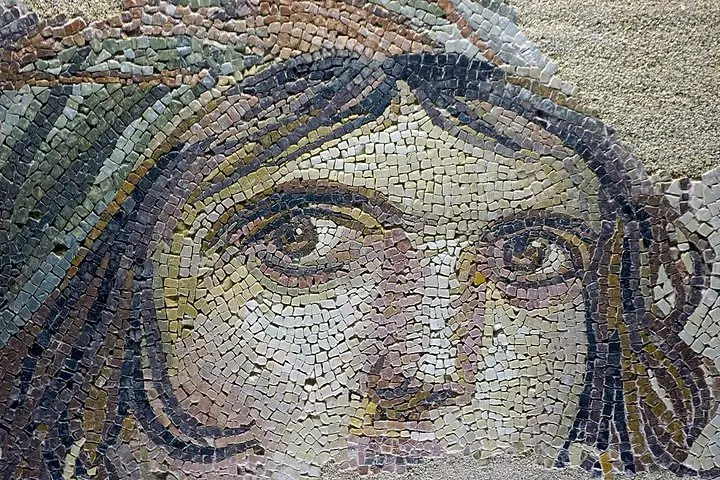
Traverse eight days of Anatolian history from Gaziantep’s mosaics to Kars’ crumbling citadel. This private tour blends major archaeological sites, volcanic landscapes and regional culture with practical logistics for travelers who prefer guided, mobile exploration.
Traverse eight days of Anatolian history from Gaziantep’s mosaics to Kars’ crumbling citadel. This private tour blends major archaeological sites, volcanic landscapes and regional culture with practical logistics for travelers who prefer guided, mobile exploration.
You step from a shaded Gaziantep alley into a swirl of spice smoke and copper clatter—the city’s bazaars still keeping time with centuries of trade.
Verified experiences and guided adventures in the surrounding area.
Operated by Blue Bosphorus Tours · Gaziantep, Gaziantep Province
You step from a shaded Gaziantep alley into a swirl of spice smoke and copper clatter—the city’s bazaars still keeping time with centuries of trade.
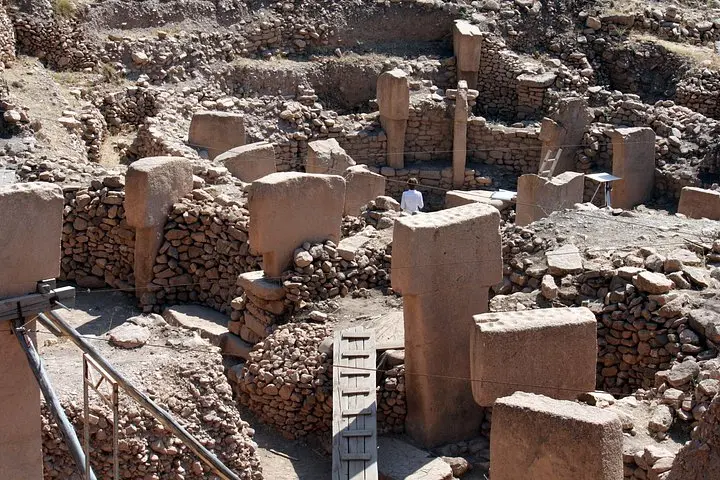
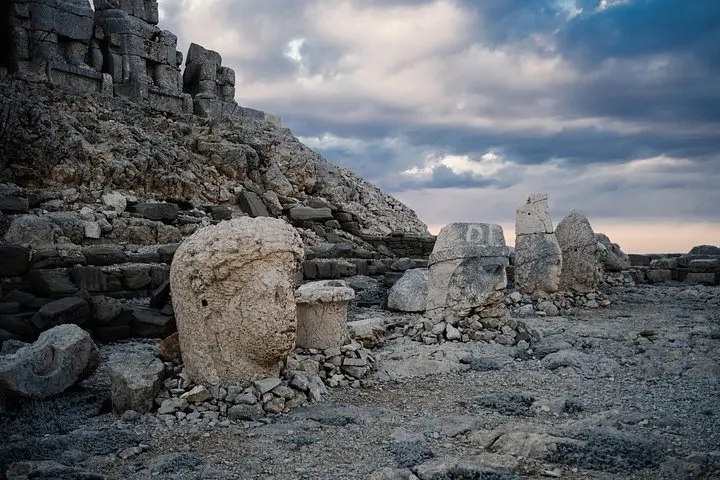
Over eight days the route moves east like a slow, deliberate tide: Göbeklitepe’s carved pillars rise from the plain as if recalling a forgotten ritual; Mount Nemrut’s colossal heads watch sunrise and sunset with equal indifference; Dara and Ani unfold as weathered textbooks, their stone pages scored by empires and earthquakes.
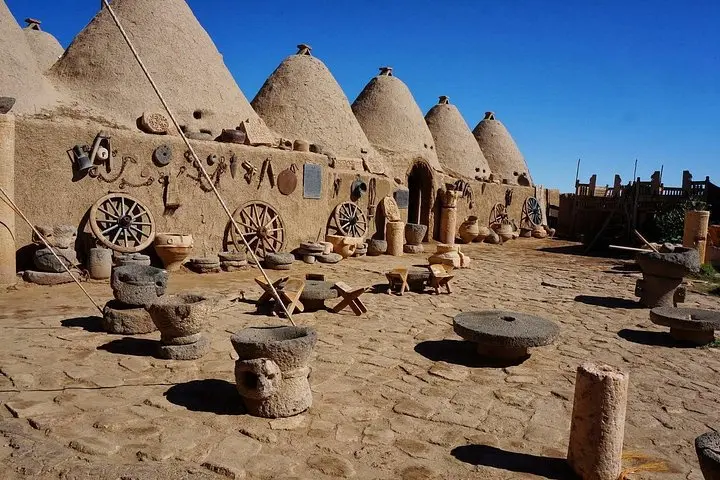
Geology here reads as folded history—limestone cliffs cut by the Tigris, basalt ramparts around Diyarbakır, and volcanic basins around Nemrut that cradle crater lakes. Culture is equally layered: Kurdish, Armenian, Arab and Turkish influences overlap in language, food and masonry. Expect centuries-old madrasas, Byzantine cisterns, and caravan-route bridges whose lines still direct the eye across the landscape.
Practically, the journey is a rolling field trip: days of guided site visits, short hikes up rocky summits for views, and several early starts to catch light at Nemrut or Akdamar Island. Roads can be long and variable; warming layers, sturdy walking shoes, sun protection and a daypack are non-negotiable. Hydrate between stops and plan for straightforward but locally driven meals—rich stews, grilled regional lamb and pistachio desserts in Gaziantep.
This is not a wilderness trek but a cultural-adventure rhythm—moving from city markets to remote ruins—best for travelers who want history in motion, not on a page.
Yes—infants can ride in strollers for parts of the trip, but several sites have stairs or uneven terrain; operators recommend children be supervised at ruins and high viewpoints.
Expect moderate walking at archaeological sites and short uphill approaches; most days include vehicle transfers between towns with guided on-foot visits.
Yes—breakfasts, lunches and dinners are included as noted, and many site entrance fees are covered, though small local fees or donations may be extra.
Bring warm layers, a hat and sun protection, stay hydrated, and notify your guide about any medical conditions; some early morning visits can be chilly.
Blue Bosphorus Tours operates guided outdoor trips and adventures with an emphasis on safety, stewardship, and memorable experiences.
You step from a shaded Gaziantep alley into a swirl of spice smoke and copper clatter—the city’s bazaars still keeping time with centuries of trade.
You step from a shaded Gaziantep alley into a swirl of spice smoke and copper clatter—the city’s bazaars still keeping time with centuries of trade.
Over eight days the route moves east like a slow, deliberate tide: Göbeklitepe’s carved pillars rise from the plain as if recalling a forgotten ritual; Mount Nemrut’s colossal heads watch sunrise and sunset with equal indifference; Dara and Ani unfold as weathered textbooks, their stone pages scored by empires and earthquakes.
Geology here reads as folded history—limestone cliffs cut by the Tigris, basalt ramparts around Diyarbakır, and volcanic basins around Nemrut that cradle crater lakes. Culture is equally layered: Kurdish, Armenian, Arab and Turkish influences overlap in language, food and masonry. Expect centuries-old madrasas, Byzantine cisterns, and caravan-route bridges whose lines still direct the eye across the landscape.
Practically, the journey is a rolling field trip: days of guided site visits, short hikes up rocky summits for views, and several early starts to catch light at Nemrut or Akdamar Island. Roads can be long and variable; warming layers, sturdy walking shoes, sun protection and a daypack are non-negotiable. Hydrate between stops and plan for straightforward but locally driven meals—rich stews, grilled regional lamb and pistachio desserts in Gaziantep.
This is not a wilderness trek but a cultural-adventure rhythm—moving from city markets to remote ruins—best for travelers who want history in motion, not on a page.