THE ADVENTURE COLLECTIVE® · Independent discovery and booking for outdoor travel

A four-day, off-the-beaten-track Inca route that climbs high passes and drops into remote valleys before reaching Machu Picchu. Expect steep ascents, cliff-top ruins, Andean villages, and two nights of camping.
A four-day, off-the-beaten-track Inca route that climbs high passes and drops into remote valleys before reaching Machu Picchu. Expect steep ascents, cliff-top ruins, Andean villages, and two nights of camping.
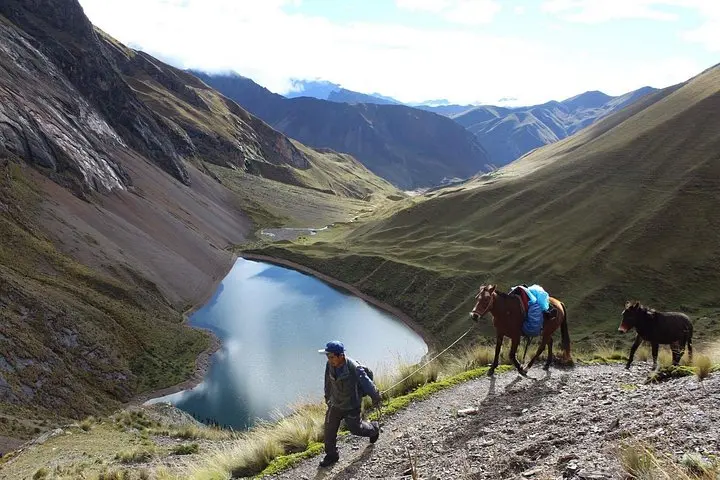
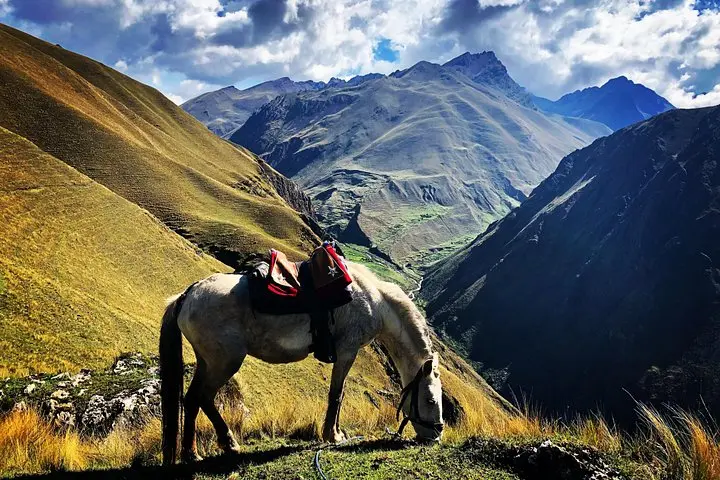
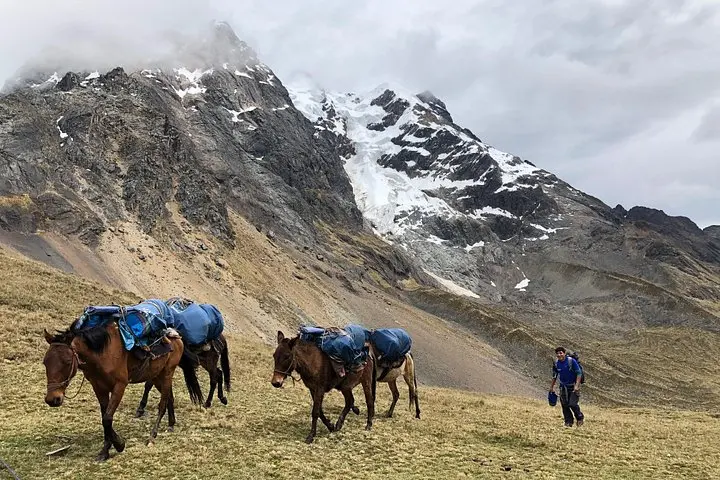
You set out before dawn from Cusco, the city lights shrinking behind you as the van climbs toward Soqma. The first steps are cold and immediate: a river voices its intent in the ravine below while jagged peaks of the Nevadas throw shadows across terraced fields. Over four days the trail moves from cultivated valley floors into wind-battered puna, passing Perolniyoc’s thunderous cascade, cliff-perched Inca platforms, and pastureland where shepherds and llamas continue centuries-old routines.
Verified experiences and guided adventures in the surrounding area.
Operated by Action Peru Treks · Aguas Calientes, Cusco Region
You set out before dawn from Cusco, the city lights shrinking behind you as the van climbs toward Soqma. The first steps are cold and immediate: a river voices its intent in the ravine below while jagged peaks of the Nevadas throw shadows across terraced fields. Over four days the trail moves from cultivated valley floors into wind-battered puna, passing Perolniyoc’s thunderous cascade, cliff-perched Inca platforms, and pastureland where shepherds and llamas continue centuries-old routines.
Geology here is blunt and vertical—folded volcanic rock and glaciated ridgelines carved by ice and river. Culture is equally tactile: farmers in Chillipahua and Ancascocha live with altitudes that shaped their architecture and potatoes, and scattered Inca ruins punctuate the route—remnants of a pre-Columbian network of trails and lookouts.
Expect hard climbs (the Kuychiccasa pass tops ~14,599 ft), wide alpine views, and nights camping in a valley where the air cools fast. The trek is less crowded than classic Inca routes; guides share local stories, and park fees support conservation of these fragile slopes.
Practical edge: acclimatize in Cusco for 1–2 days beforehand, carry layered insulation and a waterproof shell, and practice walking poles on steep descents. Hydrate deliberately—altitude makes water evaporate faster—and plan for early starts to beat afternoon weather. Camps are prepared by the crew, but you should bring a rated sleeping bag and footwear built for rocky, often muddy trails. With preparation, the route delivers remote Andean character on the approach to Machu Picchu.
It’s challenging: sustained uphill sections, steep passes above 14,000 ft, and four days of trekking require strong fitness and altitude readiness.
The route passes protected areas and includes national park fees handled by the operator; confirm entrance logistics with your provider before travel.
The dry months (May–September) offer the most stable weather and best visibility; the wet season can make trails slippery and river crossings hazardous.
Camps are prepared by the crew with ground tarps and basic sleeping mats; bring a rated sleeping bag and any personal sleeping pad if you need extra insulation.
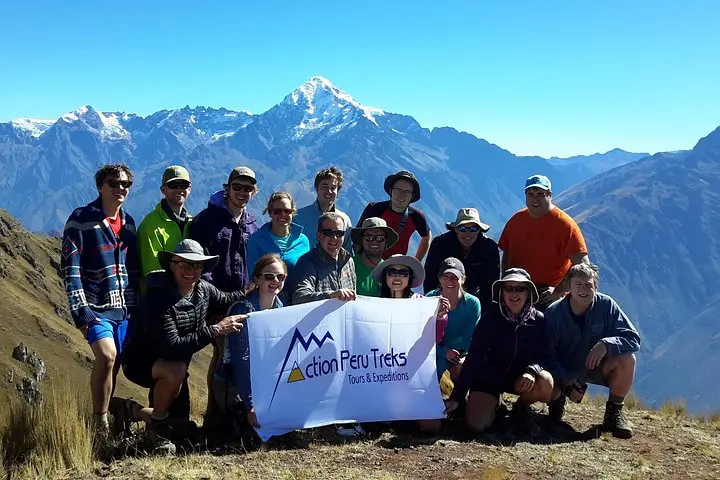
Action Peru Treks operates guided outdoor trips and adventures with an emphasis on safety, stewardship, and memorable experiences.
You set out before dawn from Cusco, the city lights shrinking behind you as the van climbs toward Soqma. The first steps are cold and immediate: a river voices its intent in the ravine below while jagged peaks of the Nevadas throw shadows across terraced fields. Over four days the trail moves from cultivated valley floors into wind-battered puna, passing Perolniyoc’s thunderous cascade, cliff-perched Inca platforms, and pastureland where shepherds and llamas continue centuries-old routines.
You set out before dawn from Cusco, the city lights shrinking behind you as the van climbs toward Soqma. The first steps are cold and immediate: a river voices its intent in the ravine below while jagged peaks of the Nevadas throw shadows across terraced fields. Over four days the trail moves from cultivated valley floors into wind-battered puna, passing Perolniyoc’s thunderous cascade, cliff-perched Inca platforms, and pastureland where shepherds and llamas continue centuries-old routines.
Geology here is blunt and vertical—folded volcanic rock and glaciated ridgelines carved by ice and river. Culture is equally tactile: farmers in Chillipahua and Ancascocha live with altitudes that shaped their architecture and potatoes, and scattered Inca ruins punctuate the route—remnants of a pre-Columbian network of trails and lookouts.
Expect hard climbs (the Kuychiccasa pass tops ~14,599 ft), wide alpine views, and nights camping in a valley where the air cools fast. The trek is less crowded than classic Inca routes; guides share local stories, and park fees support conservation of these fragile slopes.
Practical edge: acclimatize in Cusco for 1–2 days beforehand, carry layered insulation and a waterproof shell, and practice walking poles on steep descents. Hydrate deliberately—altitude makes water evaporate faster—and plan for early starts to beat afternoon weather. Camps are prepared by the crew, but you should bring a rated sleeping bag and footwear built for rocky, often muddy trails. With preparation, the route delivers remote Andean character on the approach to Machu Picchu.