THE ADVENTURE COLLECTIVE® · Independent discovery and booking for outdoor travel

A four-day alternative to the classic Inca approaches, the Ancascocha Trek links high alpine passes, Quechua villages and a quiet descent to Machu Picchu. Expect high elevations, mule-supported camps and a culturally rich route largely free of crowds.
A four-day alternative to the classic Inca approaches, the Ancascocha Trek links high alpine passes, Quechua villages and a quiet descent to Machu Picchu. Expect high elevations, mule-supported camps and a culturally rich route largely free of crowds.
Dawn breaks over a ridgeline of wind-sculpted grasses and you shoulder your pack where llamas grazed the night before. The Ancascocha trek climbs from Yanacocha high plateau through a network of Inca paths, threads down into a cloud forest and finishes at the railway that leads to Machu Picchu. It’s a quieter approach to the citadel — fewer boots on the trail, more time to feel the Andes push and pull around you.
Verified experiences and guided adventures in the surrounding area.
Operated by Wari Adventures · Cusco, Cusco
Dawn breaks over a ridgeline of wind-sculpted grasses and you shoulder your pack where llamas grazed the night before. The Ancascocha trek climbs from Yanacocha high plateau through a network of Inca paths, threads down into a cloud forest and finishes at the railway that leads to Machu Picchu. It’s a quieter approach to the citadel — fewer boots on the trail, more time to feel the Andes push and pull around you.
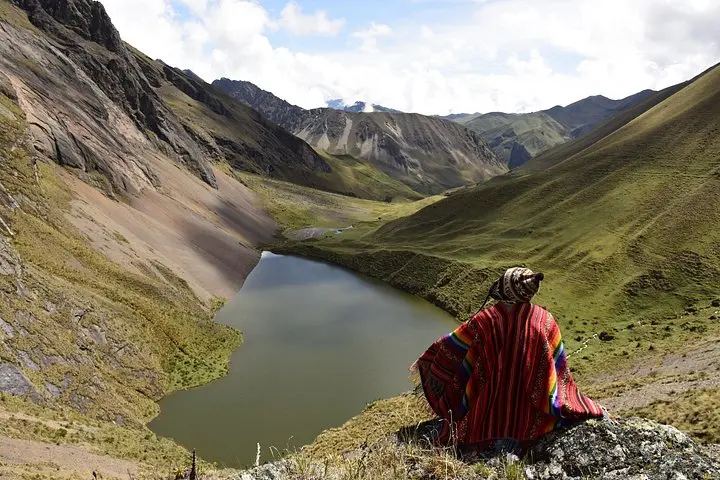
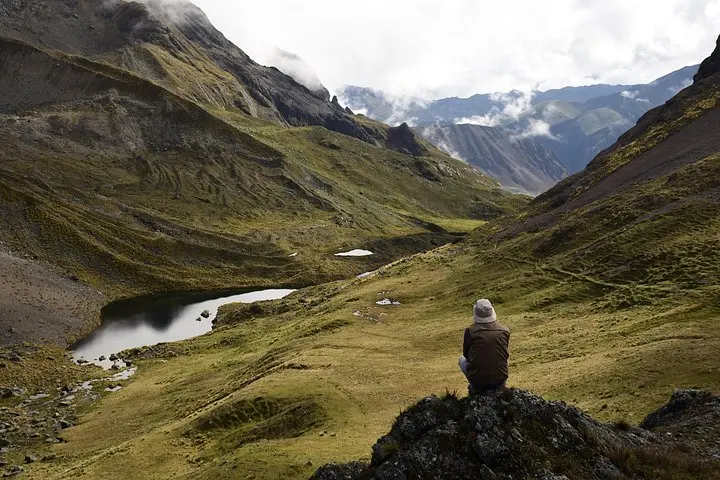
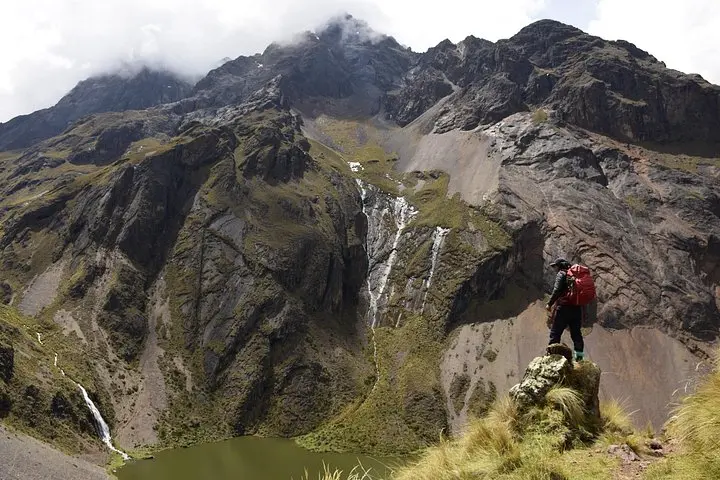
This route follows sections of the ancient Qhapac Ñan and crosses passes as high as 4,925 m (16,158 ft). Geology here is raw: folded volcanics, glacial cirques and highland lagoons carved by ice and time. Quechua-speaking farming communities still manage terraced fields and herds much as they did before Spanish contact; expect cultural exchanges that are direct and unfiltered. The trail offers views of the Humantay Glacier, Ancascocha Lagoon (4,354 m), and broad valleys where water runs like a living thread.
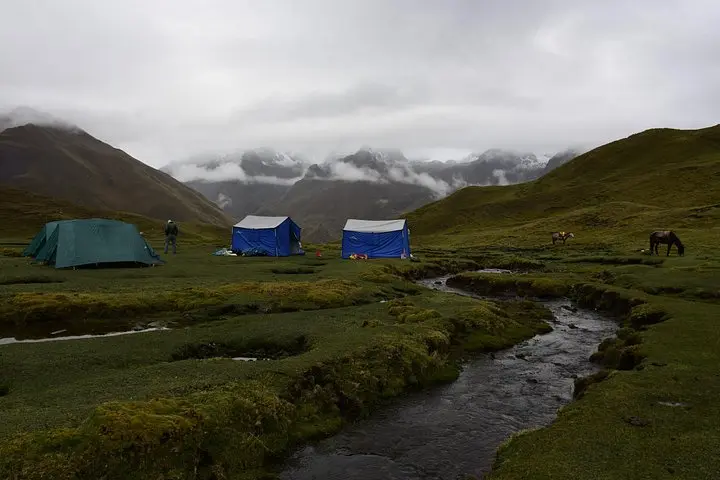
Practically, the itinerary spans four days with camping nights, mule support for gear and a final transfer to Ollantaytambo and Aguas Calientes. Early starts reduce crowds at Machu Picchu; reserve entrance and any Huayna/Machu Picchu summit permits well in advance. Acclimatize in Cusco (3,400 m), carry layered clothing for sudden weather shifts, and pack a warm sleeping bag rated for sub-freezing nights. Hydration and a conservative pace on the high passes are the most reliable ways to enjoy the views and finish strong.
The route reaches nearly 4,925 m; altitude can be challenging—adequate acclimatization and a steady pace are crucial.
Yes — camping tents, dining tents, and meals prepared by a professional kitchen staff are included in the standard itinerary.
Experienced beginners who have acclimatized and are in good fitness may manage it, but the trek is best for those with prior high-altitude hiking experience.
On day three you transfer by road to Ollantaytambo, take the train to Aguas Calientes, and on day four take the bus up to Machu Picchu for a guided morning tour.
Wari Adventures operates guided outdoor trips and adventures with an emphasis on safety, stewardship, and memorable experiences.
Dawn breaks over a ridgeline of wind-sculpted grasses and you shoulder your pack where llamas grazed the night before. The Ancascocha trek climbs from Yanacocha high plateau through a network of Inca paths, threads down into a cloud forest and finishes at the railway that leads to Machu Picchu. It’s a quieter approach to the citadel — fewer boots on the trail, more time to feel the Andes push and pull around you.
Dawn breaks over a ridgeline of wind-sculpted grasses and you shoulder your pack where llamas grazed the night before. The Ancascocha trek climbs from Yanacocha high plateau through a network of Inca paths, threads down into a cloud forest and finishes at the railway that leads to Machu Picchu. It’s a quieter approach to the citadel — fewer boots on the trail, more time to feel the Andes push and pull around you.
This route follows sections of the ancient Qhapac Ñan and crosses passes as high as 4,925 m (16,158 ft). Geology here is raw: folded volcanics, glacial cirques and highland lagoons carved by ice and time. Quechua-speaking farming communities still manage terraced fields and herds much as they did before Spanish contact; expect cultural exchanges that are direct and unfiltered. The trail offers views of the Humantay Glacier, Ancascocha Lagoon (4,354 m), and broad valleys where water runs like a living thread.
Practically, the itinerary spans four days with camping nights, mule support for gear and a final transfer to Ollantaytambo and Aguas Calientes. Early starts reduce crowds at Machu Picchu; reserve entrance and any Huayna/Machu Picchu summit permits well in advance. Acclimatize in Cusco (3,400 m), carry layered clothing for sudden weather shifts, and pack a warm sleeping bag rated for sub-freezing nights. Hydration and a conservative pace on the high passes are the most reliable ways to enjoy the views and finish strong.