THE ADVENTURE COLLECTIVE® · Independent discovery and booking for outdoor travel

Walk Inca platforms and present-day markets on an eight-day journey through Cusco, the Sacred Valley and Machu Picchu. This immersive tour balances archaeological highlights, Andean rituals and practical logistics for altitude and access.
Walk Inca platforms and present-day markets on an eight-day journey through Cusco, the Sacred Valley and Machu Picchu. This immersive tour balances archaeological highlights, Andean rituals and practical logistics for altitude and access.
Dawn in the high Andes arrives cool and precise: the Urubamba River pushes its way through a canyon while terraces step down the slopes like deliberate stairs. On this eight-day circuit starting in Lima and centered in Cusco, travelers move between bustling markets, highland ruins and the thin air that shaped an empire.
Verified experiences and guided adventures in the surrounding area.
Operated by VIPAC Travel · Cusco, Cusco
Dawn in the high Andes arrives cool and precise: the Urubamba River pushes its way through a canyon while terraces step down the slopes like deliberate stairs. On this eight-day circuit starting in Lima and centered in Cusco, travelers move between bustling markets, highland ruins and the thin air that shaped an empire.
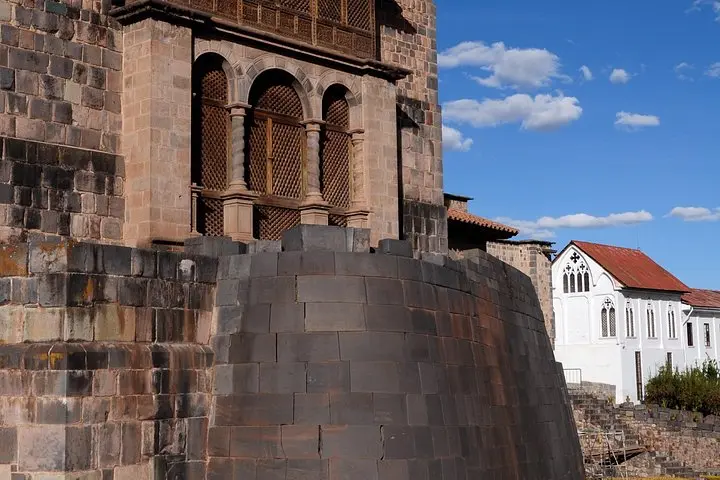
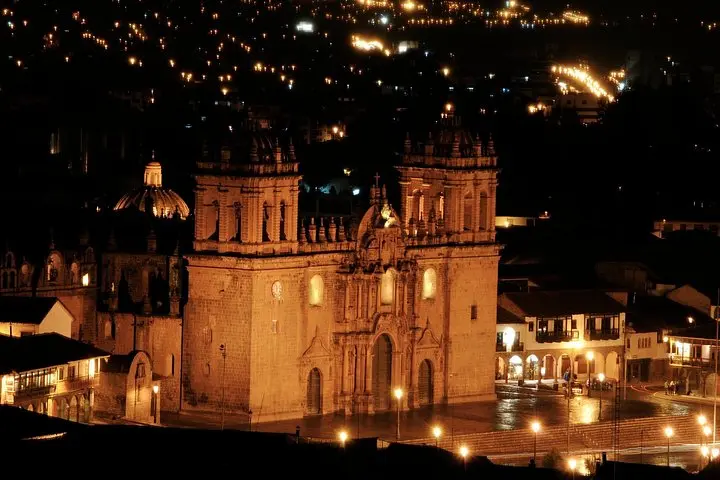
Cusco was the Inca capital and the surrounding Sacred Valley embodies both human engineering and tectonic drama—granite outcrops carved into precise masonry, river-carved gorges, and irrigation channels that still run. Sites on the itinerary include Sacsayhuamán’s massive stones, the ceremonial caverns of Qenqo, the waterworks of Tipón and the living community rhythms of Huasao. The highlight is Machu Picchu: terraces, Intihuatana and stairways that climb fog-scoured ridges above the Urubamba.
Expect a mix of cultural immersion—local rituals, meetings with Andean paqos, and market walks—and sustained time on your feet. Geology is visible everywhere: folded strata, steep valley walls and ancient terraces that resist erosion.
Practical edge: acclimatize slowly in Cusco, keep daily hikes moderate the first 48–72 hours, and secure Machu Picchu and Huayna Picchu tickets well before travel. Train and bus transfers cover long distances; prepare for steep stone steps, uneven surfaces and sudden weather shifts. Bring layers, a rain shell, medication for altitude if advised by your doctor, and cash for small village purchases. With preparation the trip reads as both an archaeological tour and an active mountain trek—intense, instructive and rooted in place.
Yes—Cusco sits around 3,400 m. Allow 1–2 days to acclimatize, hydrate, avoid alcohol, and bring prescribed medication if recommended by your physician.
The itinerary states Machu Picchu entry and train arrangements are handled, but Huayna Picchu has limited permits and should be requested at booking to secure a spot.
Expect moderate walking on uneven, stepped and sometimes steep terrain; most days include several hours on foot but no technical climbing.
Yes—transfers, selected trains and buses between Aguas Calientes and Machu Picchu, and certain hotel transfers are part of the package.
VIPAC Travel operates guided outdoor trips and adventures with an emphasis on safety, stewardship, and memorable experiences.
Dawn in the high Andes arrives cool and precise: the Urubamba River pushes its way through a canyon while terraces step down the slopes like deliberate stairs. On this eight-day circuit starting in Lima and centered in Cusco, travelers move between bustling markets, highland ruins and the thin air that shaped an empire.
Dawn in the high Andes arrives cool and precise: the Urubamba River pushes its way through a canyon while terraces step down the slopes like deliberate stairs. On this eight-day circuit starting in Lima and centered in Cusco, travelers move between bustling markets, highland ruins and the thin air that shaped an empire.
Cusco was the Inca capital and the surrounding Sacred Valley embodies both human engineering and tectonic drama—granite outcrops carved into precise masonry, river-carved gorges, and irrigation channels that still run. Sites on the itinerary include Sacsayhuamán’s massive stones, the ceremonial caverns of Qenqo, the waterworks of Tipón and the living community rhythms of Huasao. The highlight is Machu Picchu: terraces, Intihuatana and stairways that climb fog-scoured ridges above the Urubamba.
Expect a mix of cultural immersion—local rituals, meetings with Andean paqos, and market walks—and sustained time on your feet. Geology is visible everywhere: folded strata, steep valley walls and ancient terraces that resist erosion.
Practical edge: acclimatize slowly in Cusco, keep daily hikes moderate the first 48–72 hours, and secure Machu Picchu and Huayna Picchu tickets well before travel. Train and bus transfers cover long distances; prepare for steep stone steps, uneven surfaces and sudden weather shifts. Bring layers, a rain shell, medication for altitude if advised by your doctor, and cash for small village purchases. With preparation the trip reads as both an archaeological tour and an active mountain trek—intense, instructive and rooted in place.