THE ADVENTURE COLLECTIVE® · Independent discovery and booking for outdoor travel

Walk three days through Wiltshire’s oldest landscapes: ruined castles, Neolithic mounds and the stone circle at Avebury. Expect gentle chalk downs, ancient tombs and practical guidance for muddy spring runs or blustery winter days.
Walk three days through Wiltshire’s oldest landscapes: ruined castles, Neolithic mounds and the stone circle at Avebury. Expect gentle chalk downs, ancient tombs and practical guidance for muddy spring runs or blustery winter days.
You step out of the van onto a chalk lane as hawthorn breathes over the verge and the downs open like a slow tide. Bluebells carpet shaded hollows in May; low clouds slide over the rounded silhouette of Silbury Hill while sheep pick at the roadside. The stones ahead are raw and human-sized — not theatrical, just old and patient.
Verified experiences and guided adventures in the surrounding area.
Operated by Pigeon Tours · Avebury, Wiltshire
You step out of the van onto a chalk lane as hawthorn breathes over the verge and the downs open like a slow tide. Bluebells carpet shaded hollows in May; low clouds slide over the rounded silhouette of Silbury Hill while sheep pick at the roadside. The stones ahead are raw and human-sized — not theatrical, just old and patient.
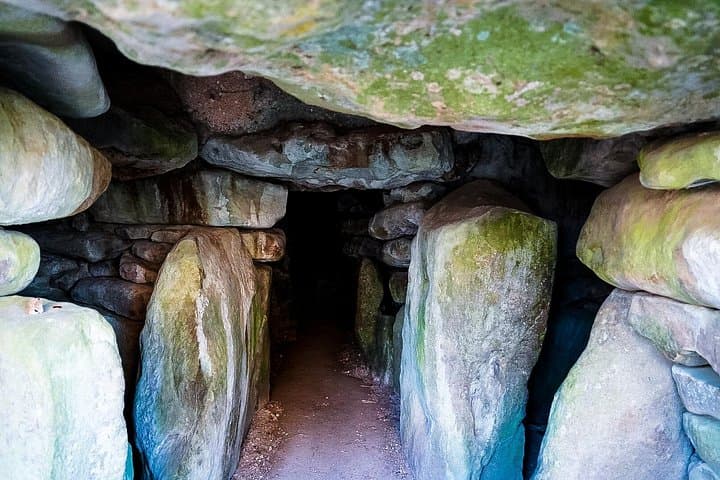
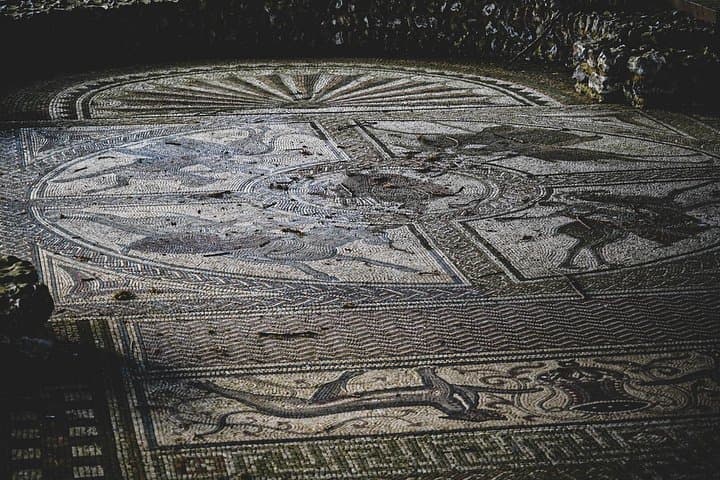
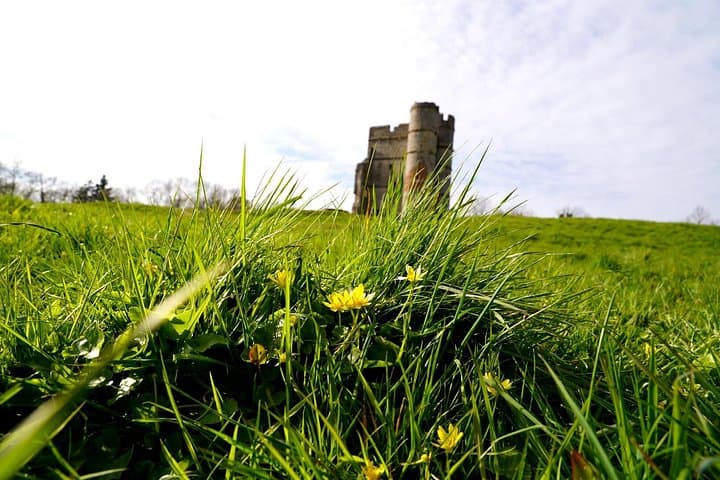
This three-day route threads Donnington’s ruined medieval walls, scattered Roman remains, and the Neolithic landscapes around Avebury and Silbury Hill. Geologically you’ll cross chalk downland carved by millennia of rain and human hands; culturally you walk in the footprints of farmers, ritual builders and later medieval lords. Avebury and its stone circle belong to the same World Heritage landscape as Stonehenge, and Silbury Hill is Europe’s largest prehistoric artificial mound — an engineered rise in a gently rolling plain.
Expect mostly low-elevation walking on grassy tracks, farm lanes and short stony sections — typical daily distances are modest (5–10 km), with total ascent generally under 300 m per day. Footpaths can be muddy after rain and some sites are exposed to wind; bring layers and waterproofs.
Practicalities matter: travel light, carry snacks, and follow signage — these are working farms and protected monuments. Overnight stays in Marlborough and Swindon put you close to pubs and convenient services. Guided routes often include maps or a PDF and short recorded guides; bring a charged phone with offline maps and allow time to sit, listen and let the landscape tell its older stories.
The tour involves multiple short to moderate walks (typically 5–10 km per day) on mostly gentle rolling chalk downs; it’s rated easy–moderate and suitable for most fitness levels.
Some stops have limited accessibility—village areas and inns are generally accessible, but many earthworks and stone circles involve uneven ground; check specific site access ahead of time.
Meals are not included, but the itinerary notes planned breaks and provides recommendations for nearby supermarkets and restaurants across different price ranges.
Yes—this private, low-difficulty tour is family-friendly, but guardians should plan for variable terrain and weather.
Pigeon Tours operates guided outdoor trips and adventures with an emphasis on safety, stewardship, and memorable experiences.

You step out of the van onto a chalk lane as hawthorn breathes over the verge and the downs open like a slow tide. Bluebells carpet shaded hollows in May; low clouds slide over the rounded silhouette of Silbury Hill while sheep pick at the roadside. The stones ahead are raw and human-sized — not theatrical, just old and patient.
You step out of the van onto a chalk lane as hawthorn breathes over the verge and the downs open like a slow tide. Bluebells carpet shaded hollows in May; low clouds slide over the rounded silhouette of Silbury Hill while sheep pick at the roadside. The stones ahead are raw and human-sized — not theatrical, just old and patient.
This three-day route threads Donnington’s ruined medieval walls, scattered Roman remains, and the Neolithic landscapes around Avebury and Silbury Hill. Geologically you’ll cross chalk downland carved by millennia of rain and human hands; culturally you walk in the footprints of farmers, ritual builders and later medieval lords. Avebury and its stone circle belong to the same World Heritage landscape as Stonehenge, and Silbury Hill is Europe’s largest prehistoric artificial mound — an engineered rise in a gently rolling plain.
Expect mostly low-elevation walking on grassy tracks, farm lanes and short stony sections — typical daily distances are modest (5–10 km), with total ascent generally under 300 m per day. Footpaths can be muddy after rain and some sites are exposed to wind; bring layers and waterproofs.
Practicalities matter: travel light, carry snacks, and follow signage — these are working farms and protected monuments. Overnight stays in Marlborough and Swindon put you close to pubs and convenient services. Guided routes often include maps or a PDF and short recorded guides; bring a charged phone with offline maps and allow time to sit, listen and let the landscape tell its older stories.