THE ADVENTURE COLLECTIVE® · Independent discovery and booking for outdoor travel

Climb an 11th-century minaret, inspect nomadic artifacts, then walk a short, striking trail through red sandstone fins at Konorchek Canyon. This full-day tour from Bishkek blends history and light scrambling with a traditional Kyrgyz lunch.
Climb an 11th-century minaret, inspect nomadic artifacts, then walk a short, striking trail through red sandstone fins at Konorchek Canyon. This full-day tour from Bishkek blends history and light scrambling with a traditional Kyrgyz lunch.
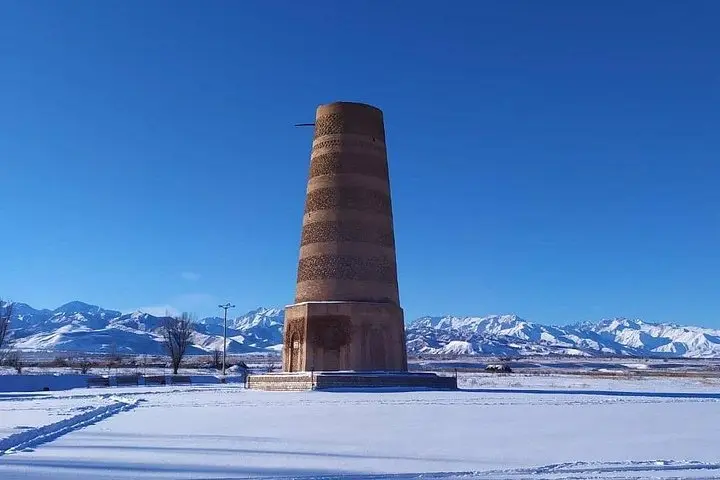
A morning light spills across the steppe as a low-slung minaret rises from the ruins of Balasagun. Visitors step from an air-conditioned vehicle into the dry wind and a palette of baked earth and sun-bleached brick; the Burana Tower—an 11th-century watchtower—stands ready to be climbed, its worn wooden stairs offering a compact panorama over the Chuy Valley.
Verified experiences and guided adventures in the surrounding area.
Operated by Atlas.kg · Tokmok, Chuy Region
A morning light spills across the steppe as a low-slung minaret rises from the ruins of Balasagun. Visitors step from an air-conditioned vehicle into the dry wind and a palette of baked earth and sun-bleached brick; the Burana Tower—an 11th-century watchtower—stands ready to be climbed, its worn wooden stairs offering a compact panorama over the Chuy Valley.
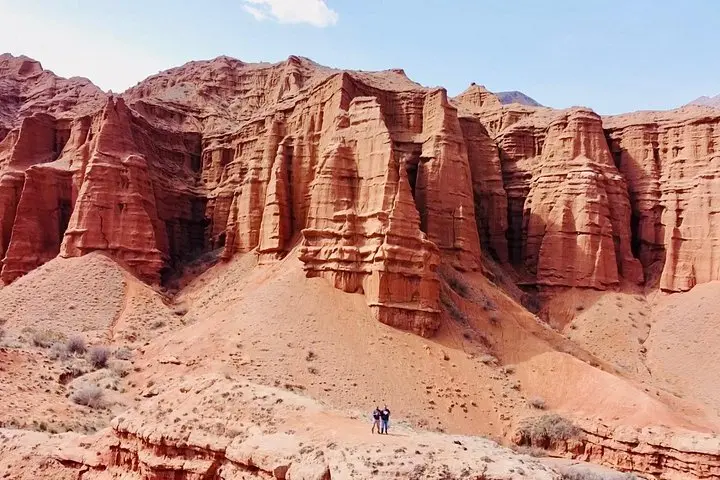
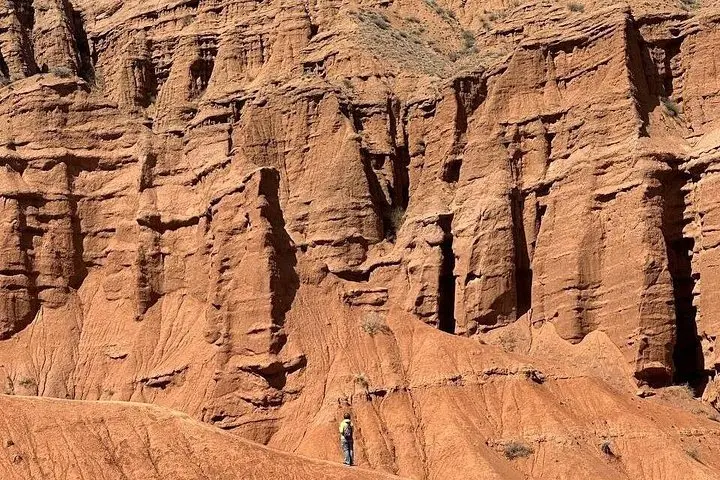
The route moves quickly from cultural layers to raw geology. At a small archaeological site you’ll find petroglyphs and a modest museum displaying nomadic tools and everyday objects, reminders that this corridor once threaded Silk Road traffic. Later the landscape fractures into Konorchek Canyon’s red cliffs: soft sedimentary formations carved by seasonal rivers into fins and hoodoos. The hike here is an alpine-flat promenade of roughly 2–2.5 km through canyons that glow late in the afternoon.
Local life threads the day—stop for a lunch of Kyrgyz kattama, a layered flatbread served in a family-style cafe, and listen for stories about Balasagun’s place in regional history.
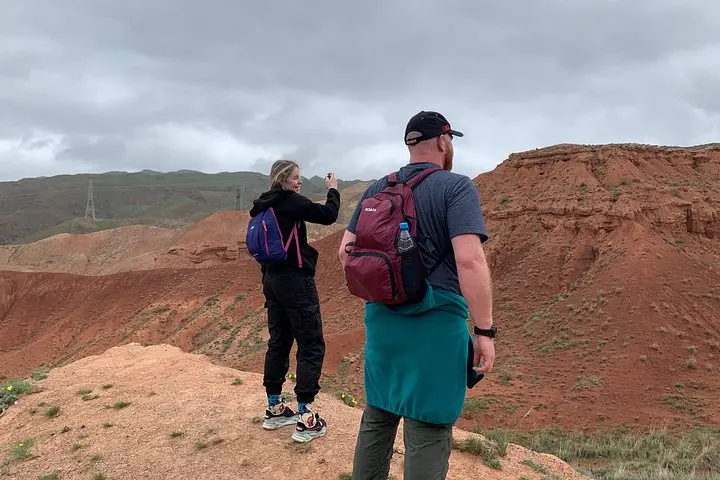
Practical guidance: plan for a 6–8 hour outing with moderate fitness; expect four short rock barriers between 1–3 meters requiring basic scrambling. Wear non-slip hiking shoes and layered clothing; pack water, sun protection, and sturdy legs for short climbs. The circuit is accessible year-round, with little snow on the plains in winter, but loose rock and heat warrant caution. Guides typically include transport and lunch; bring a small daypack, camera, and basic first-aid supplies for a confident, comfortable day outdoors.
The walking section through the canyon is about 2–2.5 km of relatively flat trail with short detours to viewpoints.
Yes—visitors can climb the tower using its internal wooden stairs, but it’s narrow and may be unsuitable for those with severe vertigo or mobility issues.
Older children who can handle stairs and short scrambles will generally be fine; infants must sit on laps in transport and extra caution is needed near cliffs.
Non-slip athletic or hiking shoes and comfortable clothing with good range of motion; gloves can help if you prefer extra grip.
Atlas.kg operates guided outdoor trips and adventures with an emphasis on safety, stewardship, and memorable experiences.
A morning light spills across the steppe as a low-slung minaret rises from the ruins of Balasagun. Visitors step from an air-conditioned vehicle into the dry wind and a palette of baked earth and sun-bleached brick; the Burana Tower—an 11th-century watchtower—stands ready to be climbed, its worn wooden stairs offering a compact panorama over the Chuy Valley.
A morning light spills across the steppe as a low-slung minaret rises from the ruins of Balasagun. Visitors step from an air-conditioned vehicle into the dry wind and a palette of baked earth and sun-bleached brick; the Burana Tower—an 11th-century watchtower—stands ready to be climbed, its worn wooden stairs offering a compact panorama over the Chuy Valley.
The route moves quickly from cultural layers to raw geology. At a small archaeological site you’ll find petroglyphs and a modest museum displaying nomadic tools and everyday objects, reminders that this corridor once threaded Silk Road traffic. Later the landscape fractures into Konorchek Canyon’s red cliffs: soft sedimentary formations carved by seasonal rivers into fins and hoodoos. The hike here is an alpine-flat promenade of roughly 2–2.5 km through canyons that glow late in the afternoon.
Local life threads the day—stop for a lunch of Kyrgyz kattama, a layered flatbread served in a family-style cafe, and listen for stories about Balasagun’s place in regional history.
Practical guidance: plan for a 6–8 hour outing with moderate fitness; expect four short rock barriers between 1–3 meters requiring basic scrambling. Wear non-slip hiking shoes and layered clothing; pack water, sun protection, and sturdy legs for short climbs. The circuit is accessible year-round, with little snow on the plains in winter, but loose rock and heat warrant caution. Guides typically include transport and lunch; bring a small daypack, camera, and basic first-aid supplies for a confident, comfortable day outdoors.