THE ADVENTURE COLLECTIVE® · Independent discovery and booking for outdoor travel

An eight-day, private guided loop through Egypt’s most iconic sites—Giza, Luxor, Aswan, Abu Simbel and Alexandria—balanced for sightseeing and sensible pacing. Early starts, sun-smart gear, and an Egyptologist guide make the monuments accessible and meaningful.
An eight-day, private guided loop through Egypt’s most iconic sites—Giza, Luxor, Aswan, Abu Simbel and Alexandria—balanced for sightseeing and sensible pacing. Early starts, sun-smart gear, and an Egyptologist guide make the monuments accessible and meaningful.
You arrive beneath an open sky where the desert meets a slow, obliging river. The Nile draws a dark line through cities built and rebuilt across millennia; boats slip past palm-fringed banks while colossal stone faces stare down from temple façades. Early mornings begin with the cool bite of river air and end with lantern-lit streets in Cairo.
Verified experiences and guided adventures in the surrounding area.
Operated by Luxor Private Day Tours · Cairo, Cairo Governorate
You arrive beneath an open sky where the desert meets a slow, obliging river. The Nile draws a dark line through cities built and rebuilt across millennia; boats slip past palm-fringed banks while colossal stone faces stare down from temple façades. Early mornings begin with the cool bite of river air and end with lantern-lit streets in Cairo.
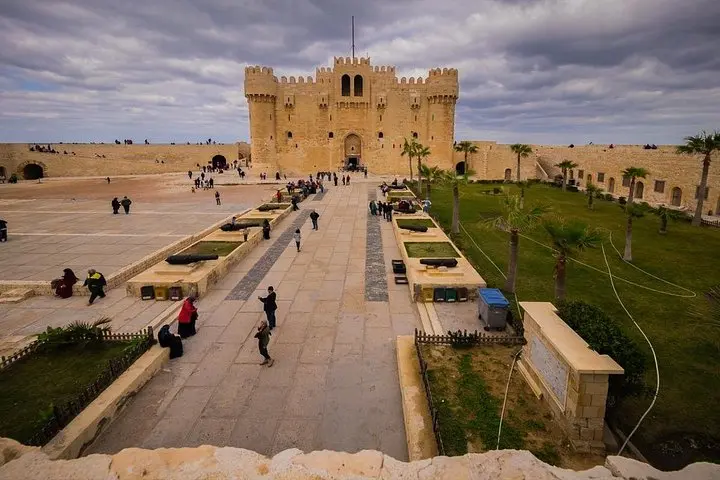
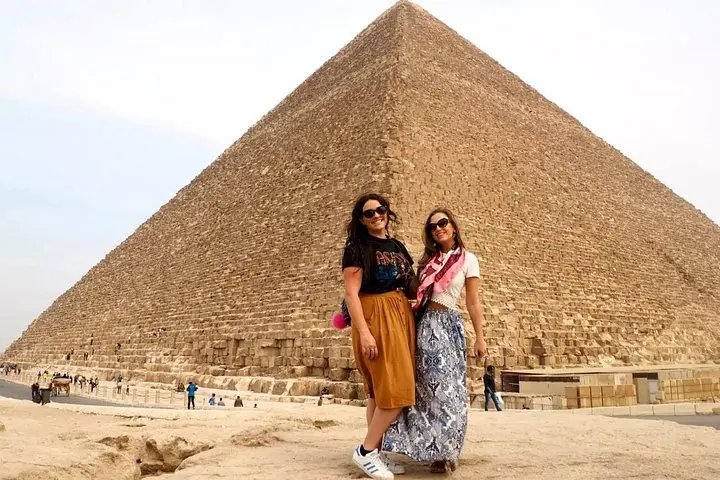
This eight-day route threads together Egypt’s pharaonic highlights and Mediterranean edges. On the Giza Plateau, limestone blocks laid millennia ago still impose scale and engineering logic; in Luxor the Valley of the Kings reveals painted tomb chambers hewn from bedrock. Abu Simbel’s rock-cut temples are carved from Nubian sandstone and famously relocated in the 1960s to save them from the rising Aswan reservoir. Alexandria offers a contrasting chapter—Hellenistic and Ottoman layers along a working harbor and a modern Bibliotheca built to echo the ancient library.
Expect guided walks over uneven paved causeways, short boat transfers, and long but comfortable drives between hubs. Bring sun protection, modest clothing for cemeteries and mosques, and a daypack for water and camera gear. Start outdoor visits at first light to avoid midday heat; allow time to acclimate after flights and keep pace gentle on multi-site days.
Practicalities: carry local currency for tips and small purchases, keep passports accessible for site ticketing, and follow your guide’s conservation cues—stay on marked paths and avoid touching reliefs. With planning, this compact itinerary balances big archaeology with measured travel logistics, leaving room to listen to the stones and the river as you move through Egypt’s deep history.
Yes—this is a private tour noted as physically easy; families and older travelers can participate with paced days, though some walking and steps are required.
The tour includes entrance fees and six lunches plus seven breakfasts as listed, but occasional snacks, drinks and gratuities are typically paid for on-site.
Expect multi-hour transfers: e.g., Aswan to Abu Simbel is about 145 miles (≈4–5 hours by road round trip), while Cairo–Alexandria is roughly a 3-hour drive depending on traffic.
Most travelers require a visa for Egypt—check your nationality’s rules before travel—and routine vaccinations are recommended; consult a travel clinic for personalized advice.
Luxor Private Day Tours operates guided outdoor trips and adventures with an emphasis on safety, stewardship, and memorable experiences.
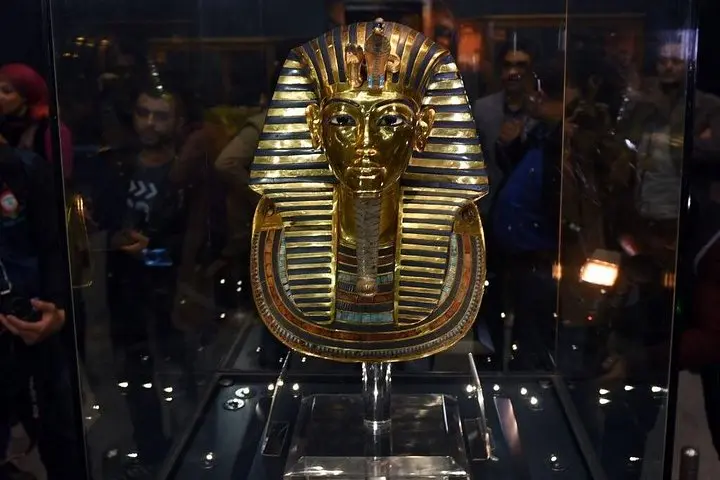
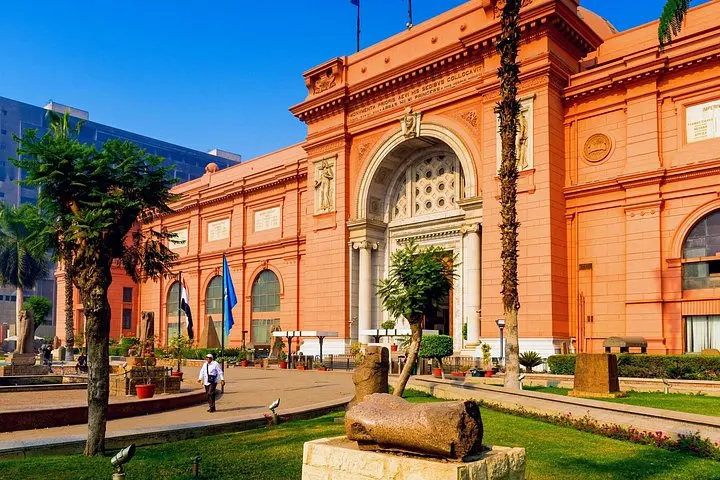
You arrive beneath an open sky where the desert meets a slow, obliging river. The Nile draws a dark line through cities built and rebuilt across millennia; boats slip past palm-fringed banks while colossal stone faces stare down from temple façades. Early mornings begin with the cool bite of river air and end with lantern-lit streets in Cairo.
You arrive beneath an open sky where the desert meets a slow, obliging river. The Nile draws a dark line through cities built and rebuilt across millennia; boats slip past palm-fringed banks while colossal stone faces stare down from temple façades. Early mornings begin with the cool bite of river air and end with lantern-lit streets in Cairo.
This eight-day route threads together Egypt’s pharaonic highlights and Mediterranean edges. On the Giza Plateau, limestone blocks laid millennia ago still impose scale and engineering logic; in Luxor the Valley of the Kings reveals painted tomb chambers hewn from bedrock. Abu Simbel’s rock-cut temples are carved from Nubian sandstone and famously relocated in the 1960s to save them from the rising Aswan reservoir. Alexandria offers a contrasting chapter—Hellenistic and Ottoman layers along a working harbor and a modern Bibliotheca built to echo the ancient library.
Expect guided walks over uneven paved causeways, short boat transfers, and long but comfortable drives between hubs. Bring sun protection, modest clothing for cemeteries and mosques, and a daypack for water and camera gear. Start outdoor visits at first light to avoid midday heat; allow time to acclimate after flights and keep pace gentle on multi-site days.
Practicalities: carry local currency for tips and small purchases, keep passports accessible for site ticketing, and follow your guide’s conservation cues—stay on marked paths and avoid touching reliefs. With planning, this compact itinerary balances big archaeology with measured travel logistics, leaving room to listen to the stones and the river as you move through Egypt’s deep history.