THE ADVENTURE COLLECTIVE® · Independent discovery and booking for outdoor travel

A full-day loop from the Riviera Maya that pairs the iconic pyramids of Chichén Itzá with a swim in Cenote Saamal and a stroll through colonial Valladolid. Expect long travel time, a strong cultural component, and clear, limestone-lined waters.
A full-day loop from the Riviera Maya that pairs the iconic pyramids of Chichén Itzá with a swim in Cenote Saamal and a stroll through colonial Valladolid. Expect long travel time, a strong cultural component, and clear, limestone-lined waters.
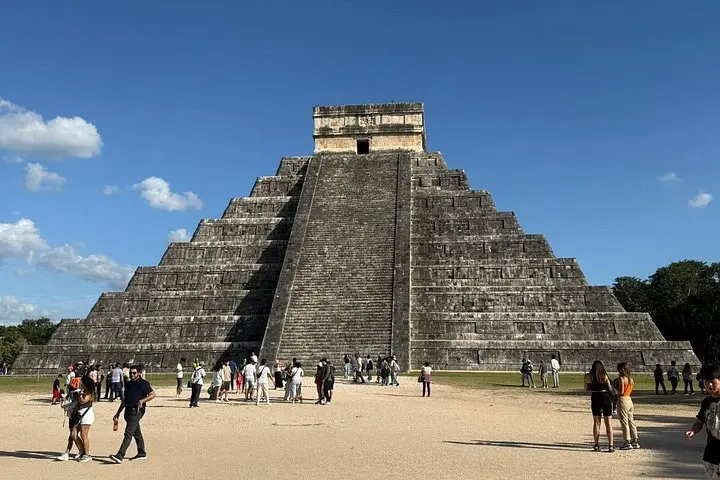
You step off the air-conditioned shuttle into a hot, wide plaza where stones laid centuries ago hold heat like a slow breath. The Temple of Kukulcán rises square and precise; wind threads through the colonnades and the ball court seems to listen. Later, the cenote's water will demand a cooler rhythm—dark, clear, and daring you to dive beneath a rim of limestone.
Verified experiences and guided adventures in the surrounding area.
Operated by One Click To Cancún · Pisté, Yucatán
You step off the air-conditioned shuttle into a hot, wide plaza where stones laid centuries ago hold heat like a slow breath. The Temple of Kukulcán rises square and precise; wind threads through the colonnades and the ball court seems to listen. Later, the cenote's water will demand a cooler rhythm—dark, clear, and daring you to dive beneath a rim of limestone.
Chichén Itzá is a late-classic to post-classic Mayan site that became an economic and ceremonial hub; its buildings reflect astronomical precision — the shadow-serpent at equinox is the clearest example. The Yucatán's limestone plateau explains both the region's cenotes and the soft, weathered edges of the ruins: rainwater carves sinkholes and feeds underground rivers, creating caverns like Cenote Saamal.
Valladolid offers a different layer: a colonial plaza, a pastel church, and markets where local recipes and artisans keep Mayan customs alive. Expect straightforward cultural exchange—try a local snack, respect dress codes at religious sites, and ask before photographing people.
Practical guidance: tours run long (expect a 10–12 hour day from Cancun/Playa del Carmen), so hydrate early and pack sun protection. Wear closed-toe walking shoes for uneven stone and bring swimwear for the cenote (life jackets are often required and rentable). There is an additional Mayan conservation fee paid on-site—carry cash. Allow at least 2–3 hours at Chichén Itzá to move between major monuments and take photos. Keep to marked paths, avoid touching carvings, and use biodegradable sunscreen for the cenote. This one-day loop balances history, geology, and a cool swim—an active cultural day with clear practical demands.
Yes — this tour includes the site's entrance fee as part of the itinerary.
Yes, swimming is allowed; life jackets are required and typically available to rent on-site for a small fee, and lockers may be rentable.
Expect a 10–12 hour day depending on your pickup point (Cancún or Riviera Maya); most tours depart early morning and return in the evening.
A buffet lunch is included, often featuring regional dishes; bring small cash for snacks in Valladolid or additional purchases.
One Click To Cancún operates guided outdoor trips and adventures with an emphasis on safety, stewardship, and memorable experiences.
You step off the air-conditioned shuttle into a hot, wide plaza where stones laid centuries ago hold heat like a slow breath. The Temple of Kukulcán rises square and precise; wind threads through the colonnades and the ball court seems to listen. Later, the cenote's water will demand a cooler rhythm—dark, clear, and daring you to dive beneath a rim of limestone.
You step off the air-conditioned shuttle into a hot, wide plaza where stones laid centuries ago hold heat like a slow breath. The Temple of Kukulcán rises square and precise; wind threads through the colonnades and the ball court seems to listen. Later, the cenote's water will demand a cooler rhythm—dark, clear, and daring you to dive beneath a rim of limestone.
Chichén Itzá is a late-classic to post-classic Mayan site that became an economic and ceremonial hub; its buildings reflect astronomical precision — the shadow-serpent at equinox is the clearest example. The Yucatán's limestone plateau explains both the region's cenotes and the soft, weathered edges of the ruins: rainwater carves sinkholes and feeds underground rivers, creating caverns like Cenote Saamal.
Valladolid offers a different layer: a colonial plaza, a pastel church, and markets where local recipes and artisans keep Mayan customs alive. Expect straightforward cultural exchange—try a local snack, respect dress codes at religious sites, and ask before photographing people.
Practical guidance: tours run long (expect a 10–12 hour day from Cancun/Playa del Carmen), so hydrate early and pack sun protection. Wear closed-toe walking shoes for uneven stone and bring swimwear for the cenote (life jackets are often required and rentable). There is an additional Mayan conservation fee paid on-site—carry cash. Allow at least 2–3 hours at Chichén Itzá to move between major monuments and take photos. Keep to marked paths, avoid touching carvings, and use biodegradable sunscreen for the cenote. This one-day loop balances history, geology, and a cool swim—an active cultural day with clear practical demands.