THE ADVENTURE COLLECTIVE® · Independent discovery and booking for outdoor travel

A brisk, two-hour guided bike tour through Split that mixes Roman architecture, seaside promenades, and local color. Ideal for first-time visitors who want a compact, active orientation to the city.
A brisk, two-hour guided bike tour through Split that mixes Roman architecture, seaside promenades, and local color. Ideal for first-time visitors who want a compact, active orientation to the city.
You pedal out from the waterfront and the Adriatic breeze pushes you along the Riva, sea spray daring you to look farther than the promenade. In two hours a compact loop through Split’s compact core unfolds: cobbled alleys, broad seafront, and the low, stone geometry of a Roman palace reworked into a living city.
Verified experiences and guided adventures in the surrounding area.
Operated by Blue Bike Zagreb city tours · Split, Split-Dalmatia County
You pedal out from the waterfront and the Adriatic breeze pushes you along the Riva, sea spray daring you to look farther than the promenade. In two hours a compact loop through Split’s compact core unfolds: cobbled alleys, broad seafront, and the low, stone geometry of a Roman palace reworked into a living city.
Diocletian’s Palace dates to the early 4th century AD and still shapes the street pattern; the limestone under your wheels is part quarry, part living room. Geologically, Split sits on karstified carbonate rock that drains quickly—expect sunlit pavement with short, steep stone steps where the medieval city compresses. Culturally the route threads café life, fish markets, and Orthodox and Catholic churches that mark Dalmatia’s layered history.
Practically: the ride covers roughly 5–8 km with minimal elevation gain (typically under 50 m), mostly paved streets and some cobbled sectors that require slower speeds. Guides lead groups up to 15 and often lock bikes to explore the palace on foot for a short stretch.
Bring closed-toe shoes and a small water bottle, and plan mornings or late afternoons to avoid midsummer heat. Helmets and hybrid city bikes are usually provided; basic bike-handling skills are enough. Expect conversational commentary rather than formal lectures—local guides aim to spark curiosity and feeling rather than deliver a museum script. This is an urban cycling primer—fast, sensory, and perfectly suited to first-time visitors wanting to feel Split under their wheels.
The tour lasts about 2 hours and typically covers 5–8 km with minimal elevation gain; parts of the route are walked through the palace.
Yes—city or hybrid bikes and helmets are usually included; confirm sizes and child seats when booking.
Yes; the activity is described as physically easy and suitable for beginners and families, though children should be accompanied by an adult.
Tours may be cancelled for full refunds if weather is poor; check the operator’s 24-hour cancellation policy before booking.
Blue Bike Zagreb city tours operates guided outdoor trips and adventures with an emphasis on safety, stewardship, and memorable experiences.
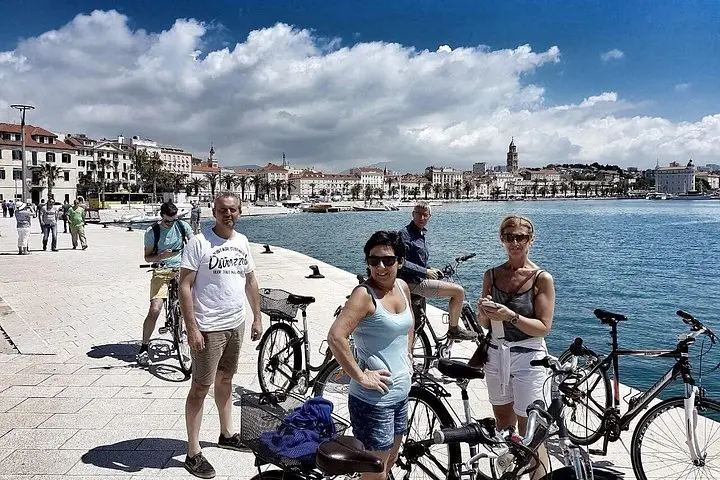
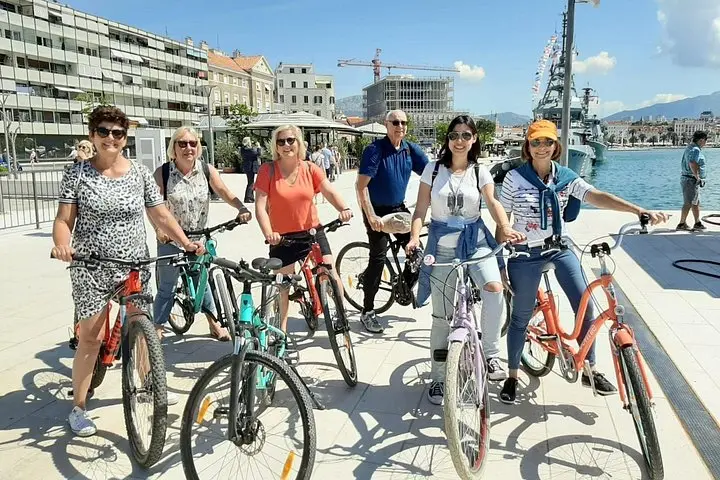
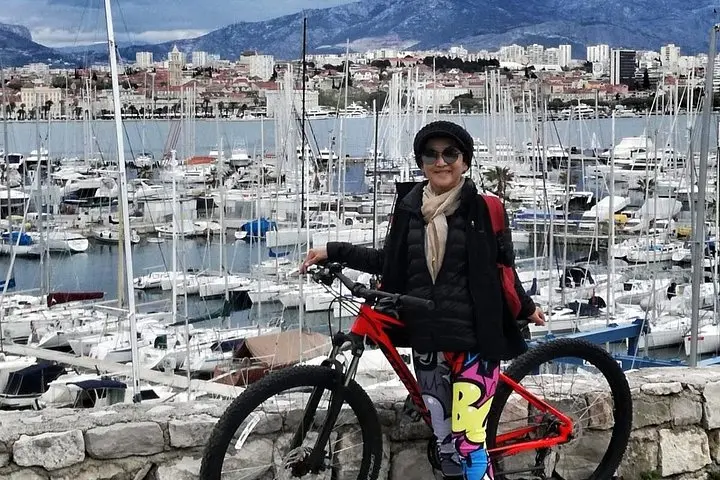
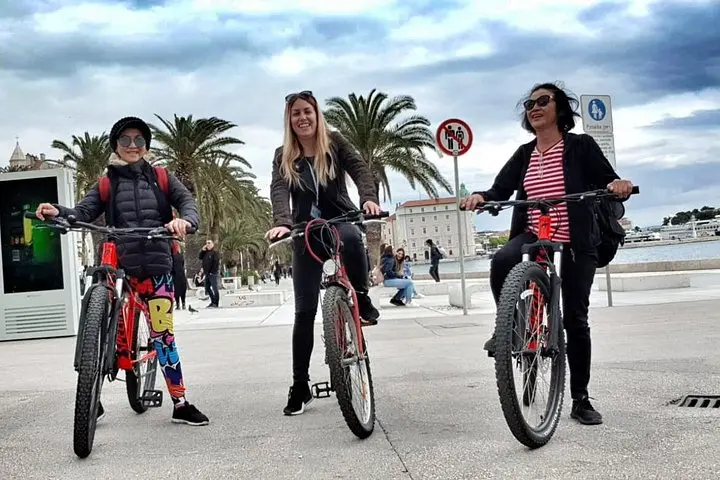
You pedal out from the waterfront and the Adriatic breeze pushes you along the Riva, sea spray daring you to look farther than the promenade. In two hours a compact loop through Split’s compact core unfolds: cobbled alleys, broad seafront, and the low, stone geometry of a Roman palace reworked into a living city.
You pedal out from the waterfront and the Adriatic breeze pushes you along the Riva, sea spray daring you to look farther than the promenade. In two hours a compact loop through Split’s compact core unfolds: cobbled alleys, broad seafront, and the low, stone geometry of a Roman palace reworked into a living city.
Diocletian’s Palace dates to the early 4th century AD and still shapes the street pattern; the limestone under your wheels is part quarry, part living room. Geologically, Split sits on karstified carbonate rock that drains quickly—expect sunlit pavement with short, steep stone steps where the medieval city compresses. Culturally the route threads café life, fish markets, and Orthodox and Catholic churches that mark Dalmatia’s layered history.
Practically: the ride covers roughly 5–8 km with minimal elevation gain (typically under 50 m), mostly paved streets and some cobbled sectors that require slower speeds. Guides lead groups up to 15 and often lock bikes to explore the palace on foot for a short stretch.
Bring closed-toe shoes and a small water bottle, and plan mornings or late afternoons to avoid midsummer heat. Helmets and hybrid city bikes are usually provided; basic bike-handling skills are enough. Expect conversational commentary rather than formal lectures—local guides aim to spark curiosity and feeling rather than deliver a museum script. This is an urban cycling primer—fast, sensory, and perfectly suited to first-time visitors wanting to feel Split under their wheels.