THE ADVENTURE COLLECTIVE® · Independent discovery and booking for outdoor travel

Explore the formative sites of ancient Egyptian monumental architecture on a compact day tour from Cairo. Visit Saqqara’s Step Pyramid, Dahshur’s Bent and Red Pyramids, and the open‑air remains of Memphis with guided context and private transfers.
Explore the formative sites of ancient Egyptian monumental architecture on a compact day tour from Cairo. Visit Saqqara’s Step Pyramid, Dahshur’s Bent and Red Pyramids, and the open‑air remains of Memphis with guided context and private transfers.
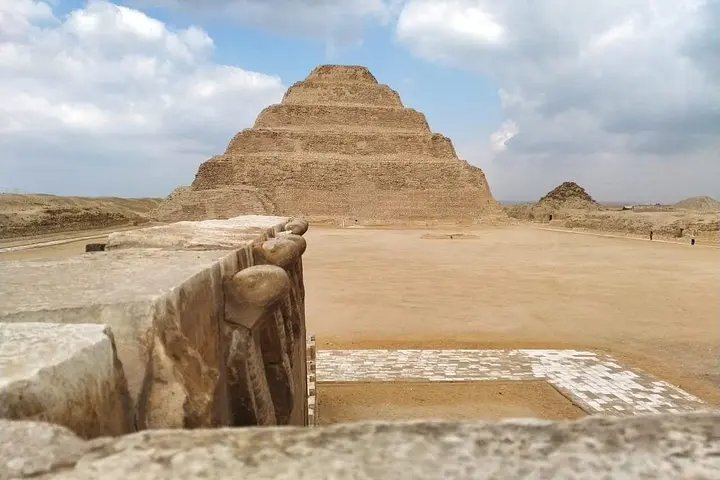
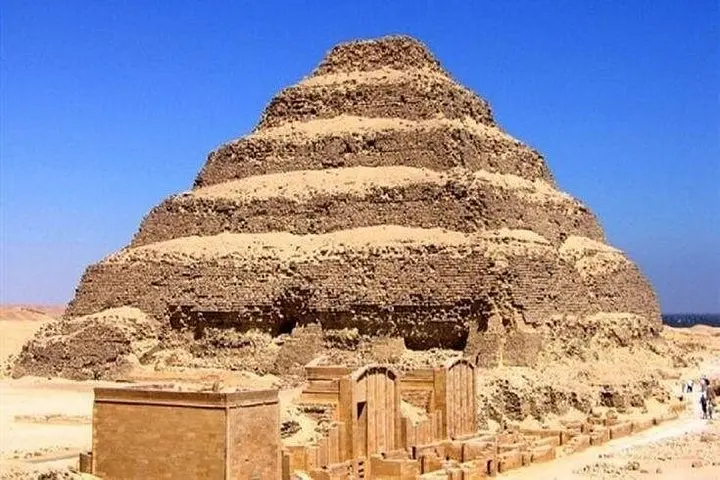
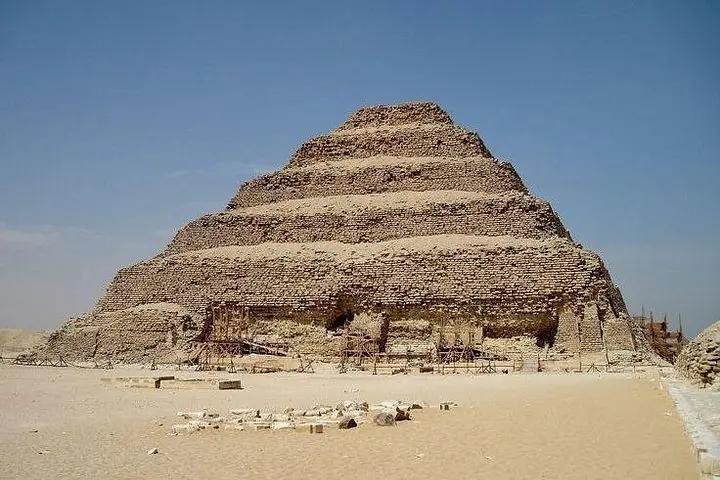
You step from the cool shade of an air‑conditioned minivan into a wind that carries sand, history, and the dry heat of the West Bank. The compact horizon of Saqqara rises first: the stepped form of Djoser’s pyramid looms low and geometric, its weathered blocks catching light like a page turned in an enormous book.
Verified experiences and guided adventures in the surrounding area.
Operated by Egipto Excursiones · Giza, Giza Governorate
You step from the cool shade of an air‑conditioned minivan into a wind that carries sand, history, and the dry heat of the West Bank. The compact horizon of Saqqara rises first: the stepped form of Djoser’s pyramid looms low and geometric, its weathered blocks catching light like a page turned in an enormous book.
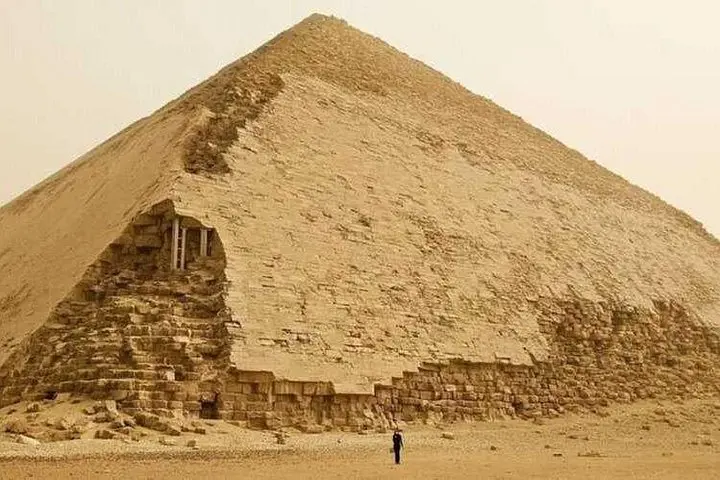
This loop—Saqqara, Dahshur, then Memphis—is a primer on the birth of monumental stonework in Egypt. Saqqara’s Step Pyramid (c. 27th century BCE) marks the leap from mudbrick mastaba to stone monument, while Dahshur’s Bent and Red Pyramids record experiments in angle and engineering during Sneferu’s reign. Memphis, once the pharaonic capital, offers the scale of imperial ambition: colossi of Ramesses and the Alabaster Sphinx anchor a city that dates back to around 3100 BCE.
Geologically these sites sit on the Nile’s western desert fringe—limestone beds and wind‑blown sand preserve the pyramids’ base but expose them to slow erosion. Culturally, the route mixes formal archaeology with living craft: papyrus workshops and government‑certified artisan stops are part museum, part marketplace.
Practical notes: the tour runs about five hours with hotel pickup in Cairo/Giza, moderate walking on uneven ground, and short guided stops at crafts outlets. Bring sun protection, sturdy walking shoes and a refillable water bottle; museums and shade are intermittent. Expect flat desert panoramas punctuated by massive, silent stone. Respect signage—do not climb monuments—and plan the visit in the cooler morning hours for comfort and clearer light for photos.
Yes—entrance fees for the listed sites are included in the tour price as part of the itinerary.
Pickup is provided from hotels in Cairo or Giza; confirm your pickup point when you book and be ready at the scheduled time.
The tour is classified as physically easy but involves uneven terrain; it may be unsuitable for guests with serious mobility limitations—check with the operator about specific accessibility needs.
Lunch is not listed as included; the tour includes short stops at artisan workshops and a water bottle, so plan to bring snacks or arrange food at a stop if needed.
Egipto Excursiones operates guided outdoor trips and adventures with an emphasis on safety, stewardship, and memorable experiences.
You step from the cool shade of an air‑conditioned minivan into a wind that carries sand, history, and the dry heat of the West Bank. The compact horizon of Saqqara rises first: the stepped form of Djoser’s pyramid looms low and geometric, its weathered blocks catching light like a page turned in an enormous book.
You step from the cool shade of an air‑conditioned minivan into a wind that carries sand, history, and the dry heat of the West Bank. The compact horizon of Saqqara rises first: the stepped form of Djoser’s pyramid looms low and geometric, its weathered blocks catching light like a page turned in an enormous book.
This loop—Saqqara, Dahshur, then Memphis—is a primer on the birth of monumental stonework in Egypt. Saqqara’s Step Pyramid (c. 27th century BCE) marks the leap from mudbrick mastaba to stone monument, while Dahshur’s Bent and Red Pyramids record experiments in angle and engineering during Sneferu’s reign. Memphis, once the pharaonic capital, offers the scale of imperial ambition: colossi of Ramesses and the Alabaster Sphinx anchor a city that dates back to around 3100 BCE.
Geologically these sites sit on the Nile’s western desert fringe—limestone beds and wind‑blown sand preserve the pyramids’ base but expose them to slow erosion. Culturally, the route mixes formal archaeology with living craft: papyrus workshops and government‑certified artisan stops are part museum, part marketplace.
Practical notes: the tour runs about five hours with hotel pickup in Cairo/Giza, moderate walking on uneven ground, and short guided stops at crafts outlets. Bring sun protection, sturdy walking shoes and a refillable water bottle; museums and shade are intermittent. Expect flat desert panoramas punctuated by massive, silent stone. Respect signage—do not climb monuments—and plan the visit in the cooler morning hours for comfort and clearer light for photos.