THE ADVENTURE COLLECTIVE® · Independent discovery and booking for outdoor travel

Spend a full day exploring Hammamet’s medina, the Roman remains of Oudhna, and the mountain springs at Zaghouan. This guided private tour pairs coastal charm with ancient engineering and easy walks through scenic ruins.
Spend a full day exploring Hammamet’s medina, the Roman remains of Oudhna, and the mountain springs at Zaghouan. This guided private tour pairs coastal charm with ancient engineering and easy walks through scenic ruins.
You arrive to the salt and citrus air of northeastern Tunisia, the sea a steady hum to your right and a ridge of old volcanic rock climbing inland. Narrow lanes of whitewashed houses funnel you into Hammamet’s medina, where carved doors and clattering souks set a deliberate pace before the day stretches up into Zaghouan’s cool slopes.
Verified experiences and guided adventures in the surrounding area.
Operated by Ôthentic Travel & Services · Hammamet, Nabeul Governorate
You arrive to the salt and citrus air of northeastern Tunisia, the sea a steady hum to your right and a ridge of old volcanic rock climbing inland. Narrow lanes of whitewashed houses funnel you into Hammamet’s medina, where carved doors and clattering souks set a deliberate pace before the day stretches up into Zaghouan’s cool slopes.
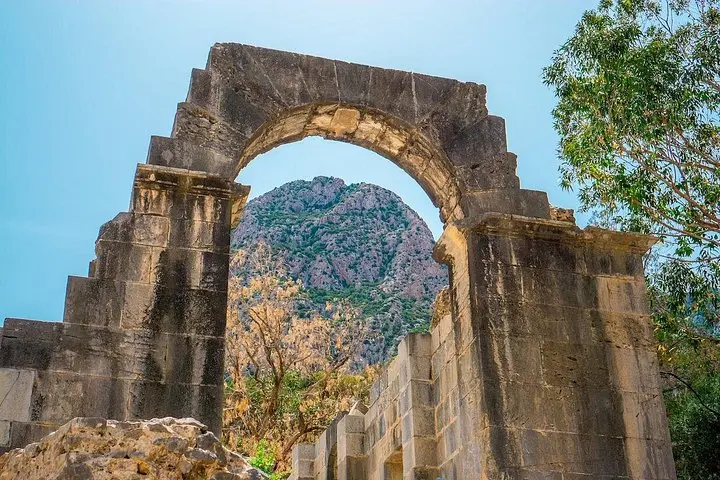
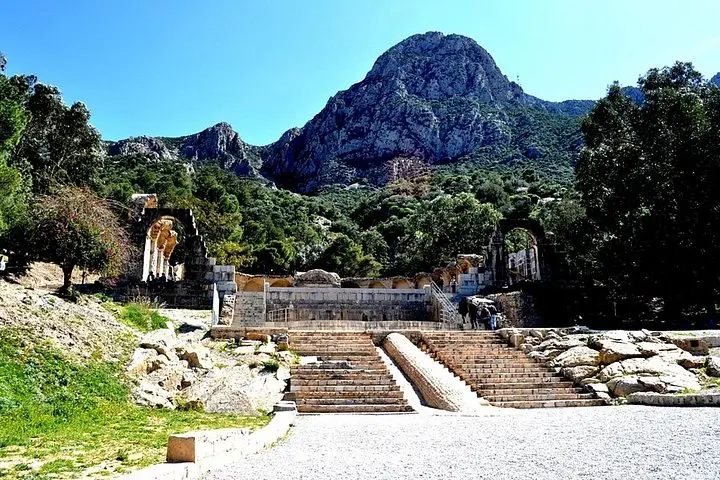
This route stitches centuries together: Hammamet’s harbor and fortified medina grew under Andalusian and Ottoman influences, Oudhna (Uthina) preserves Roman urban planning and a near-intact amphitheater, and the Zaghouan Water Temple marks the ancient spring that fed the aqueduct to Carthage. Geologically, the Zaghouan massif is a limestone outcrop where water still carves steps and terraces; in summer the springs whisper, in winter they swell and pull the countryside green.
Local culture reads in small ways—pottery studios, citrus groves, and roadside cafés where mint tea keeps conversation moving. The guide explains stone inscriptions and points out aqueduct traces that dared engineers to span valleys centuries ago.
Practical guidance: the day is long (about 7–8 hours) with mostly easy walking and short uneven sections at ruins and temple terraces. Wear sturdy walking shoes, bring sun protection and a refillable bottle; layers are useful as coastal warmth gives way to mountain breezes. Expect guided transport, light climbing for viewpoints, and time for a relaxed medina walk and seated lunch. Respect archaeological sites—stay on marked paths and follow your guide. By sunset you’ll return to the coast with a clearer map of Tunisia’s layered history and the steady presence of sea and mountain pushing the landscape forward.
The excursion runs about 7–8 hours (420–480 minutes) including transport, guided stops, and a relaxed medina walk.
Yes—infants and small children can use strollers for short stretches, but expect uneven ground at ruins where carriers are more practical.
Admissions noted in the itinerary (such as some archaeological sites) are typically included; confirm at booking for site-specific charges.
Guides commonly speak French and English; private tours may offer other languages on request—confirm when booking.
Ôthentic Travel & Services operates guided outdoor trips and adventures with an emphasis on safety, stewardship, and memorable experiences.
You arrive to the salt and citrus air of northeastern Tunisia, the sea a steady hum to your right and a ridge of old volcanic rock climbing inland. Narrow lanes of whitewashed houses funnel you into Hammamet’s medina, where carved doors and clattering souks set a deliberate pace before the day stretches up into Zaghouan’s cool slopes.
You arrive to the salt and citrus air of northeastern Tunisia, the sea a steady hum to your right and a ridge of old volcanic rock climbing inland. Narrow lanes of whitewashed houses funnel you into Hammamet’s medina, where carved doors and clattering souks set a deliberate pace before the day stretches up into Zaghouan’s cool slopes.
This route stitches centuries together: Hammamet’s harbor and fortified medina grew under Andalusian and Ottoman influences, Oudhna (Uthina) preserves Roman urban planning and a near-intact amphitheater, and the Zaghouan Water Temple marks the ancient spring that fed the aqueduct to Carthage. Geologically, the Zaghouan massif is a limestone outcrop where water still carves steps and terraces; in summer the springs whisper, in winter they swell and pull the countryside green.
Local culture reads in small ways—pottery studios, citrus groves, and roadside cafés where mint tea keeps conversation moving. The guide explains stone inscriptions and points out aqueduct traces that dared engineers to span valleys centuries ago.
Practical guidance: the day is long (about 7–8 hours) with mostly easy walking and short uneven sections at ruins and temple terraces. Wear sturdy walking shoes, bring sun protection and a refillable bottle; layers are useful as coastal warmth gives way to mountain breezes. Expect guided transport, light climbing for viewpoints, and time for a relaxed medina walk and seated lunch. Respect archaeological sites—stay on marked paths and follow your guide. By sunset you’ll return to the coast with a clearer map of Tunisia’s layered history and the steady presence of sea and mountain pushing the landscape forward.