THE ADVENTURE COLLECTIVE® · Independent discovery and booking for outdoor travel

A compact six-day circuit linking Cotopaxi’s high-altitude wilds, Quilotoa’s crater lake, the Devil’s Nose train, Baños’ waterfalls and an immersive Amazon lodge stay. Expect varied terrain, cultural encounters, and altitude shifts that demand preparation.
A compact six-day circuit linking Cotopaxi’s high-altitude wilds, Quilotoa’s crater lake, the Devil’s Nose train, Baños’ waterfalls and an immersive Amazon lodge stay. Expect varied terrain, cultural encounters, and altitude shifts that demand preparation.
The bus hums out of Quito before dawn, headlights cutting through a highland breath that tastes of cold peat and distant snow. Volcanoes loom like watchful neighbors — Cotopaxi’s cone a raw white crown — while the road slips from wind-scoured páramo to the lush, wet green that signals the Amazon basin.
Verified experiences and guided adventures in the surrounding area.
Operated by Live Ecuador Tours · Quito, Pichincha
The bus hums out of Quito before dawn, headlights cutting through a highland breath that tastes of cold peat and distant snow. Volcanoes loom like watchful neighbors — Cotopaxi’s cone a raw white crown — while the road slips from wind-scoured páramo to the lush, wet green that signals the Amazon basin.
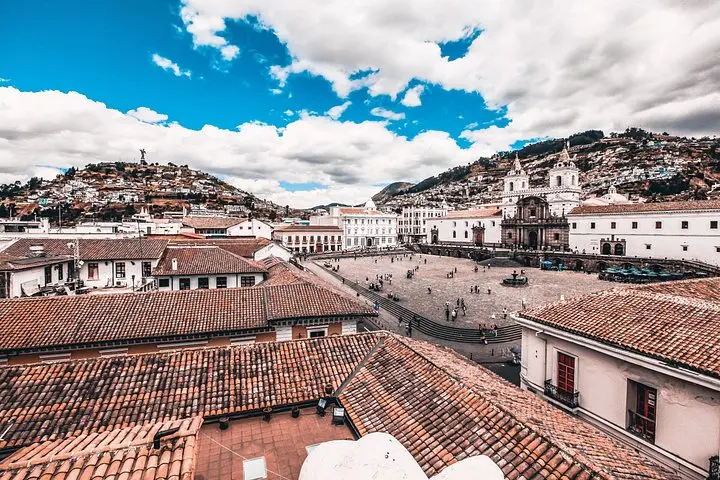
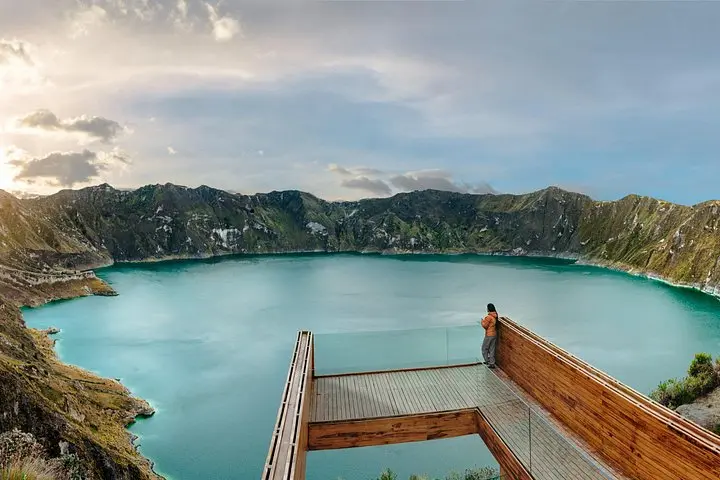
This six-day loop stitches together Ecuador’s geological extremes and living cultures. Cotopaxi’s glacier-polished slopes are recent in geological terms: volcanoes along the Andean axis rose with the subduction of the Nazca Plate, carving crater lakes such as Quilotoa whose emerald water fills a collapsed caldera. Colonial-era churches and market towns—Saquisilí, Pujilí, Alausí—bear Spanish and indigenous threads; local Tigua painters and Kichwa families keep pre‑Hispanic techniques alive.
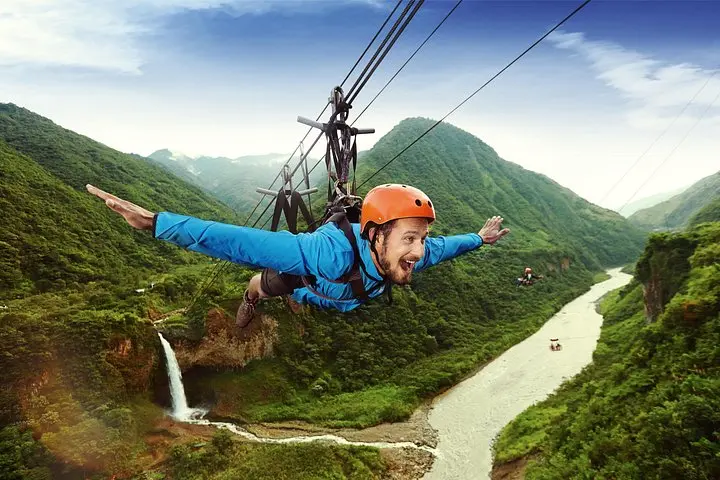
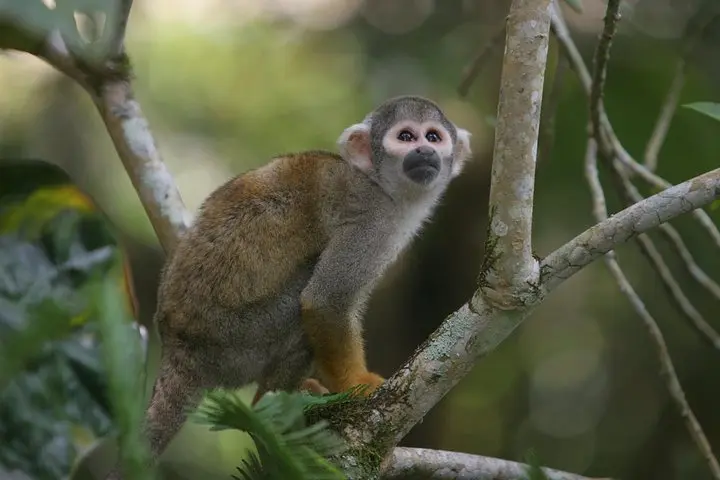
Expect active days: a high-altitude walk or horseback approach to José Rivas refuge, a steep descent to Quilotoa’s rim (and optional kayak), a historic zigzag on the Devil’s Nose train, and a shift to humid Amazon trails where rivers dare you to slow down. Guides introduce artisan workshops, rescue centers, and night walks where frogs and moths claim the canopy.
Practical notes: altitude is the real variable—hydrate, sleep a little easy on day one, and time hikes conservatively. Footwear with good grip and layered insulation will handle ash‑scoured trails, canyon mist, and jungle humidity. Bring cash for mule or kayak fees, and plan Devil’s Nose on a Fri–Sun schedule. The trip balances adrenaline with cultural encounters and conservation-minded experiences, compacted into six efficient days of travel and storytelling.
Symptoms are possible above 3,000 m; sitters should hydrate, sleep well, avoid alcohol on arrival, and communicate with guides—optional light activity helps acclimatization.
The itinerary includes the Devil’s Nose experience, but trains operate primarily on Fridays through Sundays; confirm dates when booking to align with service days.
Lodges are eco‑oriented with basic modern comforts, guided safety briefings, mosquito protection, and life jackets for canoe sections; accommodations vary by property but typically include shared facilities and meals.
Yes—local guides and operators generally adapt meals, but notify at booking so hosts in remote areas and lodges can prepare suitable options.
Live Ecuador Tours operates guided outdoor trips and adventures with an emphasis on safety, stewardship, and memorable experiences.
The bus hums out of Quito before dawn, headlights cutting through a highland breath that tastes of cold peat and distant snow. Volcanoes loom like watchful neighbors — Cotopaxi’s cone a raw white crown — while the road slips from wind-scoured páramo to the lush, wet green that signals the Amazon basin.
The bus hums out of Quito before dawn, headlights cutting through a highland breath that tastes of cold peat and distant snow. Volcanoes loom like watchful neighbors — Cotopaxi’s cone a raw white crown — while the road slips from wind-scoured páramo to the lush, wet green that signals the Amazon basin.
This six-day loop stitches together Ecuador’s geological extremes and living cultures. Cotopaxi’s glacier-polished slopes are recent in geological terms: volcanoes along the Andean axis rose with the subduction of the Nazca Plate, carving crater lakes such as Quilotoa whose emerald water fills a collapsed caldera. Colonial-era churches and market towns—Saquisilí, Pujilí, Alausí—bear Spanish and indigenous threads; local Tigua painters and Kichwa families keep pre‑Hispanic techniques alive.
Expect active days: a high-altitude walk or horseback approach to José Rivas refuge, a steep descent to Quilotoa’s rim (and optional kayak), a historic zigzag on the Devil’s Nose train, and a shift to humid Amazon trails where rivers dare you to slow down. Guides introduce artisan workshops, rescue centers, and night walks where frogs and moths claim the canopy.
Practical notes: altitude is the real variable—hydrate, sleep a little easy on day one, and time hikes conservatively. Footwear with good grip and layered insulation will handle ash‑scoured trails, canyon mist, and jungle humidity. Bring cash for mule or kayak fees, and plan Devil’s Nose on a Fri–Sun schedule. The trip balances adrenaline with cultural encounters and conservation-minded experiences, compacted into six efficient days of travel and storytelling.