THE ADVENTURE COLLECTIVE® · Independent discovery and booking for outdoor travel

Five days that move fast from high Andean paramo to the flooded pulse of the Amazon—hike near Cotopaxi, chase waterfalls around Baños and canoe the Napo River to wildlife sanctuaries. Practical, guided, and ideal for those who want variety and local culture in one trip.
Five days that move fast from high Andean paramo to the flooded pulse of the Amazon—hike near Cotopaxi, chase waterfalls around Baños and canoe the Napo River to wildlife sanctuaries. Practical, guided, and ideal for those who want variety and local culture in one trip.
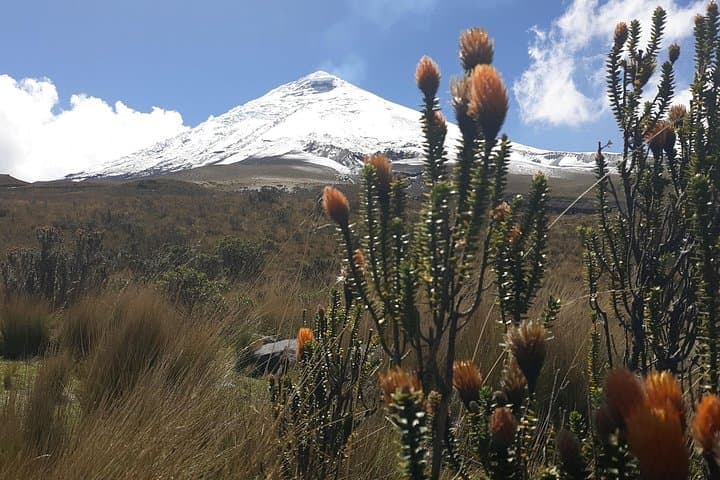
You step out of the van onto thin air: a cold wind slides off Cotopaxi’s slopes and the volcano looms—a white-capped cone at 5,897 m that seems to measure your breath. That first morning’s acclimatizing walk around Limpiopungo Lake (3,800 m) brings sharp bird calls and a skyline of Andean ridgelines; later, a 45-minute push up to José Ribas refuge (4,800 m) rewards you with a hot chocolate and a wider view of the high paramo.
Verified experiences and guided adventures in the surrounding area.
Operated by Ecuador Local Guide · Quito, Pichincha
You step out of the van onto thin air: a cold wind slides off Cotopaxi’s slopes and the volcano looms—a white-capped cone at 5,897 m that seems to measure your breath. That first morning’s acclimatizing walk around Limpiopungo Lake (3,800 m) brings sharp bird calls and a skyline of Andean ridgelines; later, a 45-minute push up to José Ribas refuge (4,800 m) rewards you with a hot chocolate and a wider view of the high paramo.
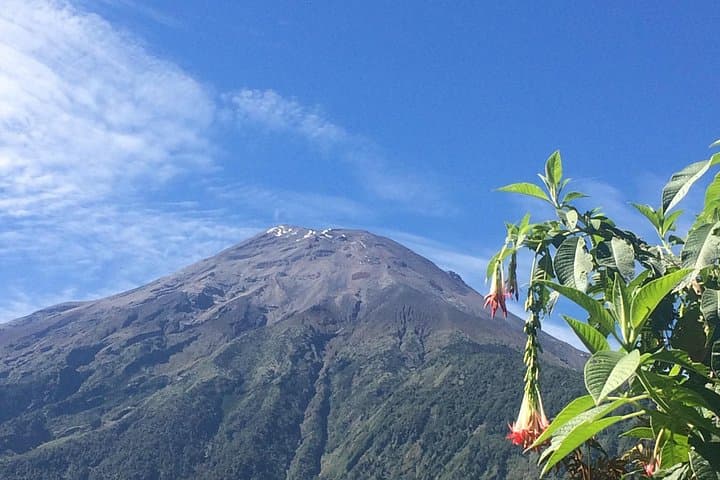
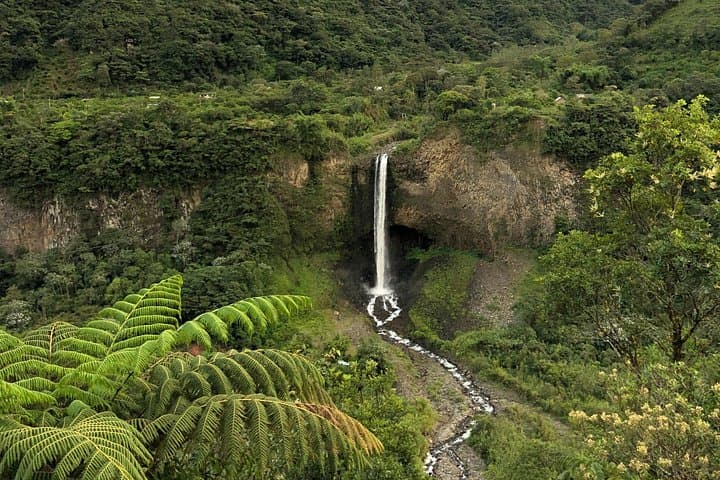
The route shifts fast: by afternoon you’re dropping into Baños where Tungurahua watches the valley and waterfalls thread down steep gorges. Ruta de las Cascadas and Pailón del Diablo cut into the forest—paths, suspension bridges and zip lines offer short, intense encounters with water that seems to dare you closer.
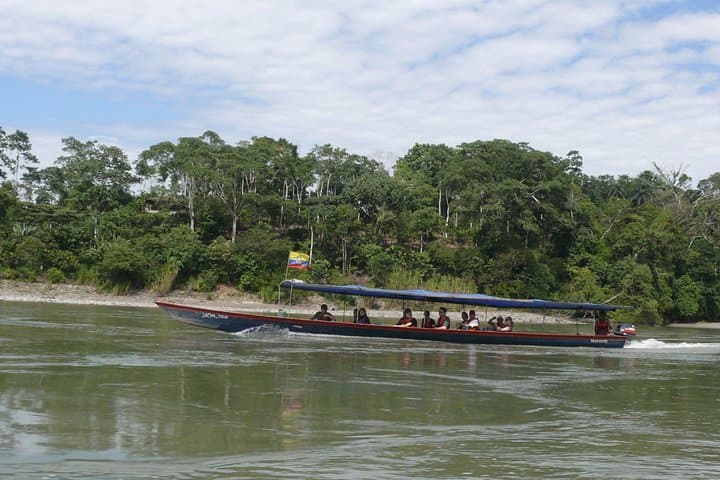
On day three the landscape changes again as rivers push you deeper into the Napo watershed. Dugout canoes patrol the brown current, and AmaZOOnico exposes rescued tapirs, macaws and capybaras while Kichwa hosts share chicha, blowgun shooting and traditional cleansing rituals.
Geology and culture are constant companions: active volcanism uplifts fertile valleys and the Kichwa communities carry knowledge adapted to both cloud forest and lowland jungle. Expect humid trails, muddy crossings, nocturnal insect calls and guided wildlife watches.
Practical edge: bring rubber boots and layered clothing for rapidly changing weather, allow time to acclimatize before any high-altitude hikes, and pack insect repellent and a lightweight rain shell. Guides handle logistics and canoeing; you supply steady shoes, patience and curiosity.
Check CDC guidance and consult your physician—yellow fever vaccination is commonly recommended for Napo-area travel and routine vaccines should be up to date.
Temperatures near the parking lot (4,600 m) can be near freezing; bring insulated mid-layers, windproof shell and a hat for high-altitude sections.
Canoe excursions are guided; life jackets are provided and routes are typically calm, but inform your guide if you are uncomfortable around water.
Common sightings include macaws, toucans, howler or woolly monkeys, capybara and a variety of tropical birds; large cats are rare but present in sanctuary settings like AmaZOOnico.
Ecuador Local Guide operates guided outdoor trips and adventures with an emphasis on safety, stewardship, and memorable experiences.
You step out of the van onto thin air: a cold wind slides off Cotopaxi’s slopes and the volcano looms—a white-capped cone at 5,897 m that seems to measure your breath. That first morning’s acclimatizing walk around Limpiopungo Lake (3,800 m) brings sharp bird calls and a skyline of Andean ridgelines; later, a 45-minute push up to José Ribas refuge (4,800 m) rewards you with a hot chocolate and a wider view of the high paramo.
You step out of the van onto thin air: a cold wind slides off Cotopaxi’s slopes and the volcano looms—a white-capped cone at 5,897 m that seems to measure your breath. That first morning’s acclimatizing walk around Limpiopungo Lake (3,800 m) brings sharp bird calls and a skyline of Andean ridgelines; later, a 45-minute push up to José Ribas refuge (4,800 m) rewards you with a hot chocolate and a wider view of the high paramo.
The route shifts fast: by afternoon you’re dropping into Baños where Tungurahua watches the valley and waterfalls thread down steep gorges. Ruta de las Cascadas and Pailón del Diablo cut into the forest—paths, suspension bridges and zip lines offer short, intense encounters with water that seems to dare you closer.
On day three the landscape changes again as rivers push you deeper into the Napo watershed. Dugout canoes patrol the brown current, and AmaZOOnico exposes rescued tapirs, macaws and capybaras while Kichwa hosts share chicha, blowgun shooting and traditional cleansing rituals.
Geology and culture are constant companions: active volcanism uplifts fertile valleys and the Kichwa communities carry knowledge adapted to both cloud forest and lowland jungle. Expect humid trails, muddy crossings, nocturnal insect calls and guided wildlife watches.
Practical edge: bring rubber boots and layered clothing for rapidly changing weather, allow time to acclimatize before any high-altitude hikes, and pack insect repellent and a lightweight rain shell. Guides handle logistics and canoeing; you supply steady shoes, patience and curiosity.