THE ADVENTURE COLLECTIVE® · Independent discovery and booking for outdoor travel

Ride in a vintage jeep through the heart of the Angkor complex, pairing the monumental Angkor Wat and Bayon with the wild roots of Ta Phrom and a day among rice paddies and floating villages. This private two-day itinerary balances iconic temples with local culture and practical logistics.
Ride in a vintage jeep through the heart of the Angkor complex, pairing the monumental Angkor Wat and Bayon with the wild roots of Ta Phrom and a day among rice paddies and floating villages. This private two-day itinerary balances iconic temples with local culture and practical logistics.
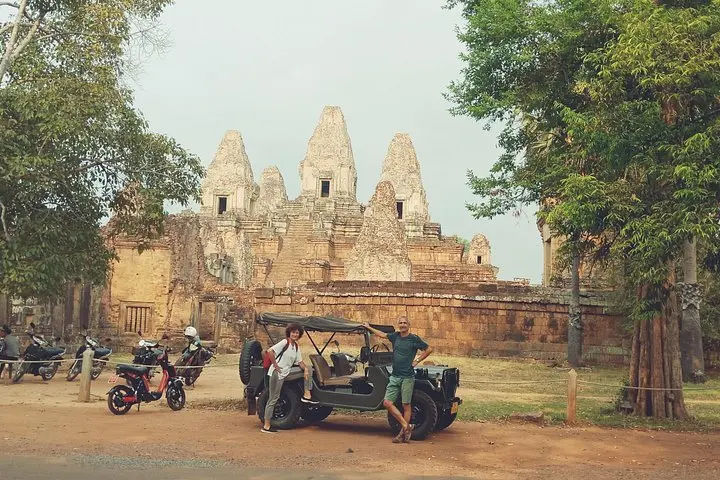
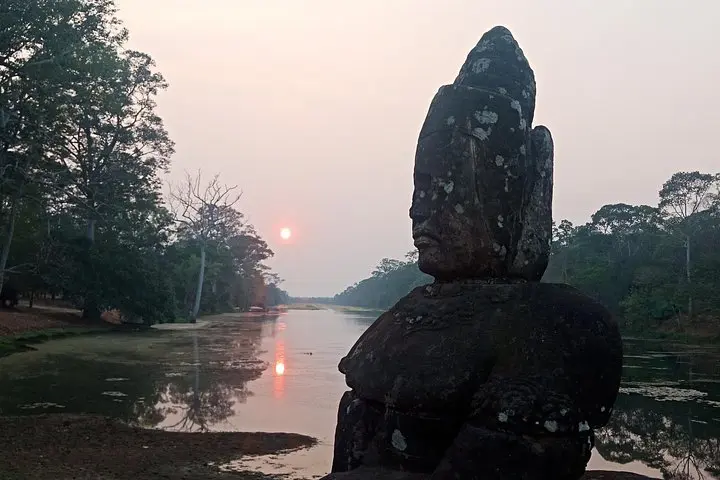
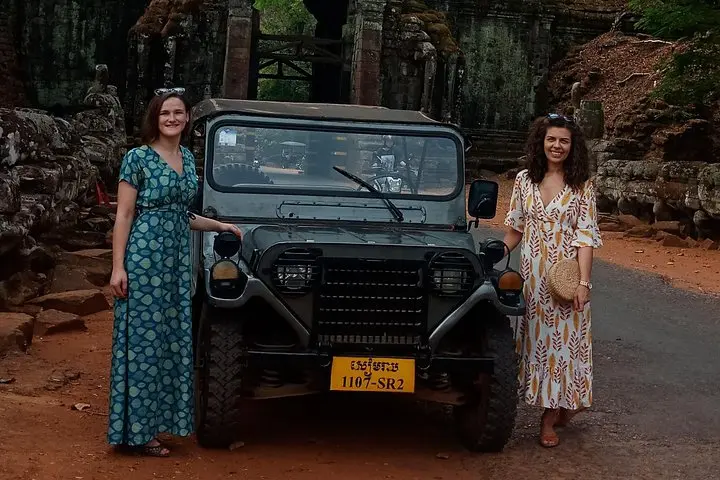
The first light slips across the wide moat and sandstone reflects a pale gold as a vintage military jeep kicks up dust on the approach road to Angkor Wat. You feel the engine’s rumble as the guide points out the lotus-filled baray and the long causeway that frames the temple’s silhouette.
Verified experiences and guided adventures in the surrounding area.
Operated by Angkor Driver Sorphea · Siem Reap, Siem Reap
The first light slips across the wide moat and sandstone reflects a pale gold as a vintage military jeep kicks up dust on the approach road to Angkor Wat. You feel the engine’s rumble as the guide points out the lotus-filled baray and the long causeway that frames the temple’s silhouette.
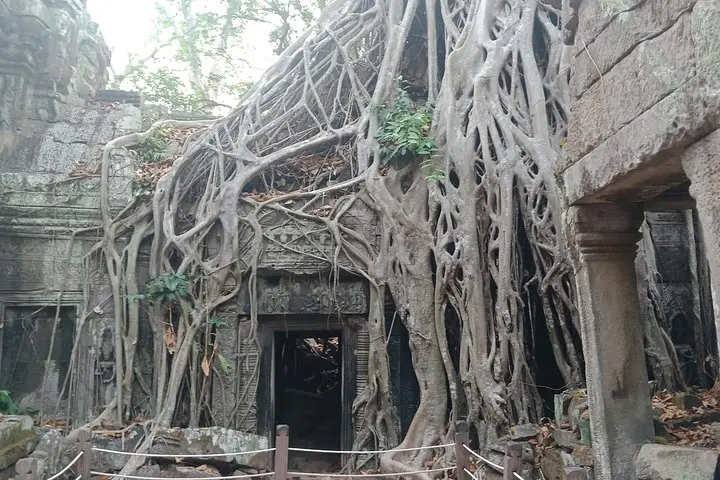
This two-day itinerary threads core Khmer heritage sites with a slice of rural life. Angkor Wat, raised in the early 12th century from sandstone, anchors the complex; its bas-reliefs and axial galleries reveal statecraft and sacred cosmology. Angkor Thom’s Bayon, carved with dozens of smiling faces, was added later under Jayavarman VII. Ta Phrom reads like a standoff between fig roots and masonry—trees push through walls and create dramatic photo frames. The countryside day moves off-road to stilt houses, rice paddies and a Tonle Sap floating village where fishing and boat travel shape daily life.
Expect short walks on uneven ancient stone, shaded alleys, and a boat ride on the great lake. The tour runs by private jeep with hotel pickup and drop-off; admission to the Angkor Archaeological Park is paid separately (Angkor Pass). Bring sun protection, refillable water, and respectful, shoulder-and-knee-covering clothing for temples. Travel light—camera, comfortable shoes, and local cash for small purchases. Time your visit for the cooler dry months (November–February) or accept dramatic monsoon skies in wet season photography. Guides translate history and local customs; follow their route to avoid crowds and to learn the layered stories carved into the stones.
No, the Angkor Archaeological Park entrance pass is purchased separately at the ticket center; bring cash or card to buy a 1-day, 3-day, or 7-day pass.
Sunrise can be arranged but is time-sensitive; confirm with the operator ahead since visibility and crowd management affect timing.
Lunch is planned on day one as a break but specifics depend on the operator—notify the guide of dietary restrictions in advance.
Yes, travel is by jeep with minimal walking required; however, the tour is not recommended for those with serious spinal, cardiovascular, or pregnancy restrictions per the provider's advisories.
Angkor Driver Sorphea operates guided outdoor trips and adventures with an emphasis on safety, stewardship, and memorable experiences.
The first light slips across the wide moat and sandstone reflects a pale gold as a vintage military jeep kicks up dust on the approach road to Angkor Wat. You feel the engine’s rumble as the guide points out the lotus-filled baray and the long causeway that frames the temple’s silhouette.
The first light slips across the wide moat and sandstone reflects a pale gold as a vintage military jeep kicks up dust on the approach road to Angkor Wat. You feel the engine’s rumble as the guide points out the lotus-filled baray and the long causeway that frames the temple’s silhouette.
This two-day itinerary threads core Khmer heritage sites with a slice of rural life. Angkor Wat, raised in the early 12th century from sandstone, anchors the complex; its bas-reliefs and axial galleries reveal statecraft and sacred cosmology. Angkor Thom’s Bayon, carved with dozens of smiling faces, was added later under Jayavarman VII. Ta Phrom reads like a standoff between fig roots and masonry—trees push through walls and create dramatic photo frames. The countryside day moves off-road to stilt houses, rice paddies and a Tonle Sap floating village where fishing and boat travel shape daily life.
Expect short walks on uneven ancient stone, shaded alleys, and a boat ride on the great lake. The tour runs by private jeep with hotel pickup and drop-off; admission to the Angkor Archaeological Park is paid separately (Angkor Pass). Bring sun protection, refillable water, and respectful, shoulder-and-knee-covering clothing for temples. Travel light—camera, comfortable shoes, and local cash for small purchases. Time your visit for the cooler dry months (November–February) or accept dramatic monsoon skies in wet season photography. Guides translate history and local customs; follow their route to avoid crowds and to learn the layered stories carved into the stones.