THE ADVENTURE COLLECTIVE® · Independent discovery and booking for outdoor travel

A focused three-day itinerary that pairs Angkor’s iconic sunrise with jungle temples like Ta Prohm and a boat trip to Kampong Phluk on Tonle Sap. Perfect for travelers who want history, dramatic stonework, and local village life in a compact loop.
A focused three-day itinerary that pairs Angkor’s iconic sunrise with jungle temples like Ta Prohm and a boat trip to Kampong Phluk on Tonle Sap. Perfect for travelers who want history, dramatic stonework, and local village life in a compact loop.
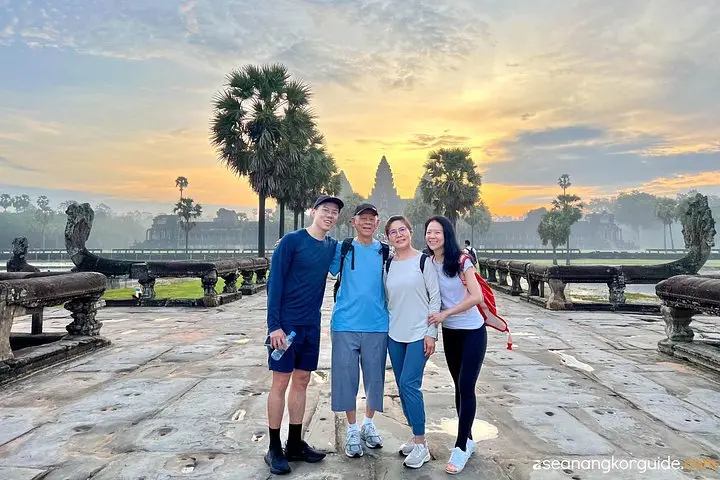
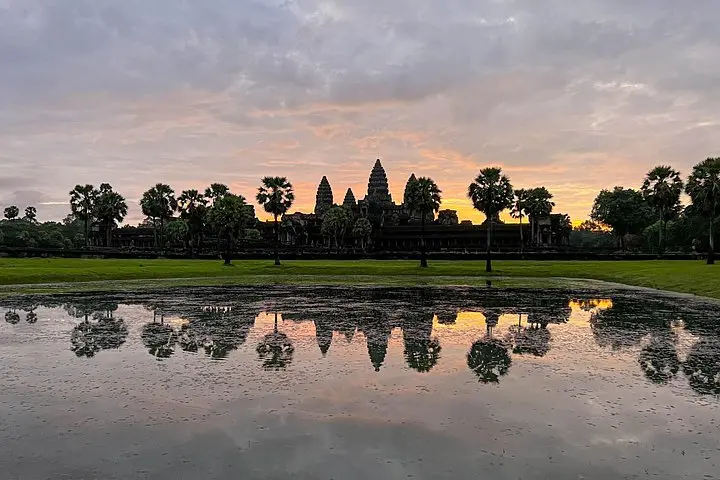
Dawn breaks across the reflective moat of Angkor Wat and the temple’s towers pierce the gold-tinged mist. Travelers wait in quiet rows as the sun edges above carved cornices, then move through shaded causeways where the stone feels warm underfoot and the air smells of incense and wet earth.
Verified experiences and guided adventures in the surrounding area.
Operated by Asean Angkor Guide · Siem Reap, Siem Reap Province
Dawn breaks across the reflective moat of Angkor Wat and the temple’s towers pierce the gold-tinged mist. Travelers wait in quiet rows as the sun edges above carved cornices, then move through shaded causeways where the stone feels warm underfoot and the air smells of incense and wet earth.
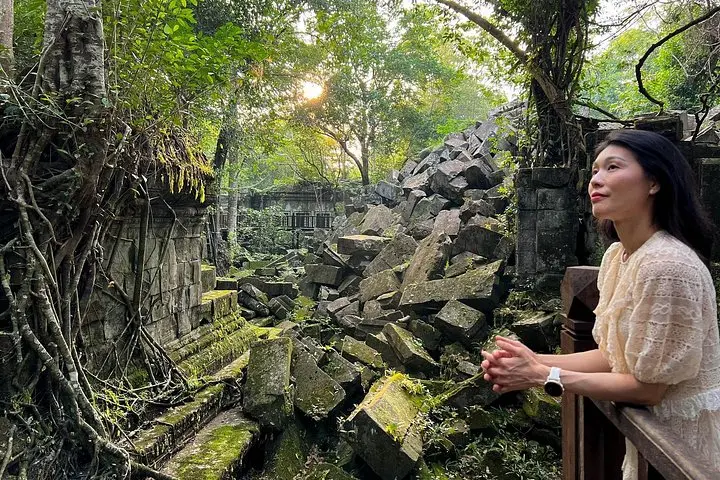
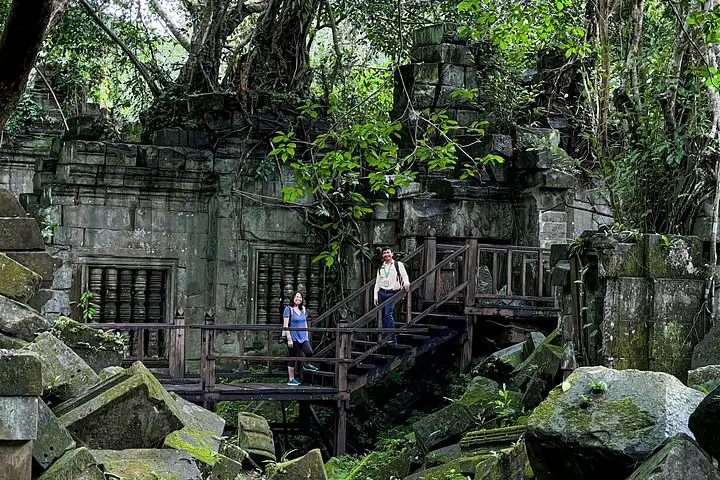
This three-day loop reads like a compact history lesson: the 12th-century Angkor complex built in sandstone and laterite by the Khmer kings, the intimate pink sandstone carvings of Banteay Srei, and the jungle-swallowed corridors of Ta Prohm where strangler figs push and pry at lintels. Tonle Sap—Southeast Asia’s largest freshwater lake—shrinks and swells with the seasons, shaping floating villages like Kampong Phluk where stilt houses and mangroves define daily life.
Expect mixed terrain: flat paved paths at Angkor Wat, uneven laterite steps at Pre Rup, and muddy village docks on Tonle Sap. Cultural norms matter—shoulders and knees should be covered at temple sites—and the Angkor ticket system requires passes for multi-day access. Sunrise at Angkor demands an early alarm; afternoons can be hot and humid, making shaded breaks and constant hydration essential.
Practical rhythm: travel by air-conditioned minivan between sites, disembark for 45–120 minute walks, and take a one-hour boat ride to the floating village. Bring sun protection, insect repellent, lightweight long sleeves, and shoes with decent grip. Pace your visit to combine big-picture monuments with quieter corners: a tranquil library wall here, a mossed carving there—places that reward slow attention.
Tickets are bought on arrival at the official ticket center; allow time on your first morning to purchase the 1-, 3-, or 7-day pass before entering the park.
Yes—local boats are commonly used; choose a provider with life jackets and avoid small launches during heavy monsoon winds.
Sunrise is best during dry-season months (November–April) when skies are clear; arrive early and expect crowds at popular viewpoints.
Many major temples have uneven stone, steps, and limited ramping—access varies by site, so contact the operator for specifics if mobility is a concern.
Asean Angkor Guide operates guided outdoor trips and adventures with an emphasis on safety, stewardship, and memorable experiences.
Dawn breaks across the reflective moat of Angkor Wat and the temple’s towers pierce the gold-tinged mist. Travelers wait in quiet rows as the sun edges above carved cornices, then move through shaded causeways where the stone feels warm underfoot and the air smells of incense and wet earth.
Dawn breaks across the reflective moat of Angkor Wat and the temple’s towers pierce the gold-tinged mist. Travelers wait in quiet rows as the sun edges above carved cornices, then move through shaded causeways where the stone feels warm underfoot and the air smells of incense and wet earth.
This three-day loop reads like a compact history lesson: the 12th-century Angkor complex built in sandstone and laterite by the Khmer kings, the intimate pink sandstone carvings of Banteay Srei, and the jungle-swallowed corridors of Ta Prohm where strangler figs push and pry at lintels. Tonle Sap—Southeast Asia’s largest freshwater lake—shrinks and swells with the seasons, shaping floating villages like Kampong Phluk where stilt houses and mangroves define daily life.
Expect mixed terrain: flat paved paths at Angkor Wat, uneven laterite steps at Pre Rup, and muddy village docks on Tonle Sap. Cultural norms matter—shoulders and knees should be covered at temple sites—and the Angkor ticket system requires passes for multi-day access. Sunrise at Angkor demands an early alarm; afternoons can be hot and humid, making shaded breaks and constant hydration essential.
Practical rhythm: travel by air-conditioned minivan between sites, disembark for 45–120 minute walks, and take a one-hour boat ride to the floating village. Bring sun protection, insect repellent, lightweight long sleeves, and shoes with decent grip. Pace your visit to combine big-picture monuments with quieter corners: a tranquil library wall here, a mossed carving there—places that reward slow attention.