THE ADVENTURE COLLECTIVE® · Independent discovery and booking for outdoor travel

Spend three days moving from sunrise at Angkor Wat through the jungle ruins of Beng Mealea to the sacred falls of Phnom Kulen. This private itinerary combines iconic temples, lesser‑visited sites and practical tips for navigating heat, crowds and conservation rules.
Spend three days moving from sunrise at Angkor Wat through the jungle ruins of Beng Mealea to the sacred falls of Phnom Kulen. This private itinerary combines iconic temples, lesser‑visited sites and practical tips for navigating heat, crowds and conservation rules.
You arrive before dawn, bicycle tires and tuk‑tuk engines still whispering in Siem Reap, and the first light trims the silhouette of Angkor Wat into a knife-edge against the sky. The stones are cool; bas‑reliefs hold centuries of stories as you trace them with a guide who lays out the temple’s language of gods, kings, and river trade.
Verified experiences and guided adventures in the surrounding area.
Operated by Angkor Elephant Tour · Siem Reap, Siem Reap Province
You arrive before dawn, bicycle tires and tuk‑tuk engines still whispering in Siem Reap, and the first light trims the silhouette of Angkor Wat into a knife-edge against the sky. The stones are cool; bas‑reliefs hold centuries of stories as you trace them with a guide who lays out the temple’s language of gods, kings, and river trade.
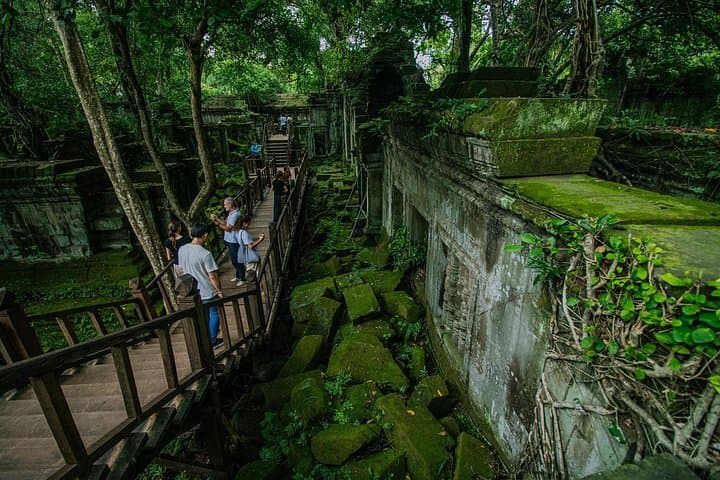
Over three days the itinerary moves from the ordered symmetry of Angkor Wat to the grit of Beng Mealea and the forested wild of Phnom Kulen. Angkor Wat (12th century, Suryavarman II) reads like a carved cosmology — its galleries, devatas and narrative friezes describe myth and empire. Angkor Thom and Bayon put politics in stone with their smiling faces; Ta Prohm lets fig and silk‑cotton roots tug at masonry until nature appears to be writing its own footnotes. Phnom Kulen’s waterfalls and the river of a thousand lingas recall the spiritual act of state formation; Beng Mealea offers the feel of a temple rediscovered, collapsed corridors and piles of sandstone that invite careful exploration.
Practically: expect long days on uneven paths, early starts for light and late afternoons for softer crowds. Wear breathable, respectful clothing that covers shoulders and knees for temple access. Bring sun protection, carry water, and leave room in your schedule for heat, traffic, and the slow pace of museum‑quality ruins. Book an Angkor pass in advance, and hire a licensed guide to translate inscriptions and point out conservation‑sensitive areas. The trip balances archaeology, jungle, and village life — and rewards patience with moments when stone, tree and river seem to argue for the past to be seen whole.
No — Angkor World Heritage site tickets are purchased separately; your guide can advise which pass length matches your schedule.
Some sites and vehicles can accommodate mobility needs, but many temples have steps, uneven paths and limited ramps—check specifics before booking.
You can, but a licensed guide adds historical context and safer navigation through unstable ruins and forested trails.
Tipping guides and drivers is customary; remove hats and speak quietly in temple precincts, and always ask before photographing monks or private ceremonies.
Angkor Elephant Tour operates guided outdoor trips and adventures with an emphasis on safety, stewardship, and memorable experiences.

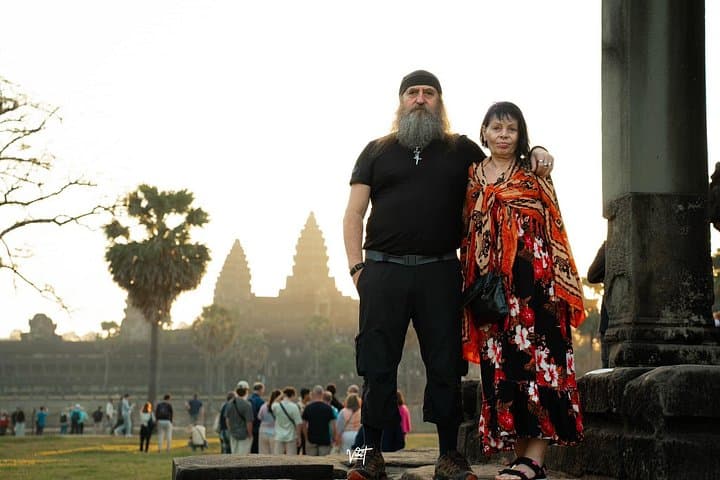
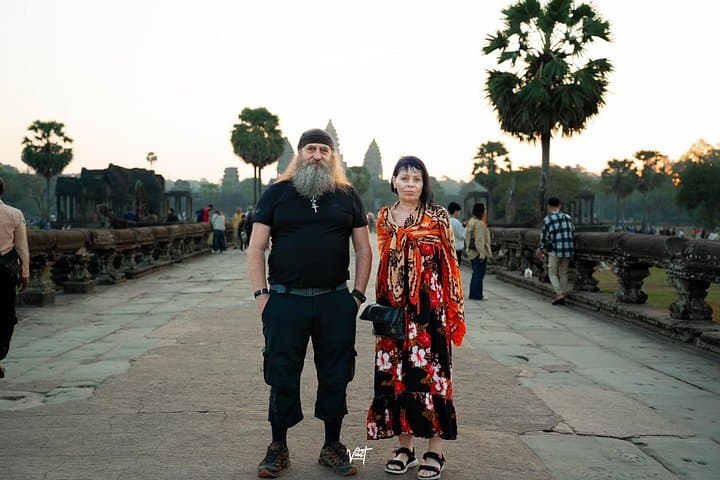
You arrive before dawn, bicycle tires and tuk‑tuk engines still whispering in Siem Reap, and the first light trims the silhouette of Angkor Wat into a knife-edge against the sky. The stones are cool; bas‑reliefs hold centuries of stories as you trace them with a guide who lays out the temple’s language of gods, kings, and river trade.
You arrive before dawn, bicycle tires and tuk‑tuk engines still whispering in Siem Reap, and the first light trims the silhouette of Angkor Wat into a knife-edge against the sky. The stones are cool; bas‑reliefs hold centuries of stories as you trace them with a guide who lays out the temple’s language of gods, kings, and river trade.
Over three days the itinerary moves from the ordered symmetry of Angkor Wat to the grit of Beng Mealea and the forested wild of Phnom Kulen. Angkor Wat (12th century, Suryavarman II) reads like a carved cosmology — its galleries, devatas and narrative friezes describe myth and empire. Angkor Thom and Bayon put politics in stone with their smiling faces; Ta Prohm lets fig and silk‑cotton roots tug at masonry until nature appears to be writing its own footnotes. Phnom Kulen’s waterfalls and the river of a thousand lingas recall the spiritual act of state formation; Beng Mealea offers the feel of a temple rediscovered, collapsed corridors and piles of sandstone that invite careful exploration.
Practically: expect long days on uneven paths, early starts for light and late afternoons for softer crowds. Wear breathable, respectful clothing that covers shoulders and knees for temple access. Bring sun protection, carry water, and leave room in your schedule for heat, traffic, and the slow pace of museum‑quality ruins. Book an Angkor pass in advance, and hire a licensed guide to translate inscriptions and point out conservation‑sensitive areas. The trip balances archaeology, jungle, and village life — and rewards patience with moments when stone, tree and river seem to argue for the past to be seen whole.