THE ADVENTURE COLLECTIVE® · Independent discovery and booking for outdoor travel

Experience Angkor’s three signature temples in a single, expertly guided day from Siem Reap. This small-group tour pairs clear historical context with practical logistics—ideal for first-time visitors who want a full, manageable introduction to Angkor’s scale and stories.
Experience Angkor’s three signature temples in a single, expertly guided day from Siem Reap. This small-group tour pairs clear historical context with practical logistics—ideal for first-time visitors who want a full, manageable introduction to Angkor’s scale and stories.
Morning light slices through towering sandstone spires as the tour van pulls up to the Angkor ticket office and you step toward one of the world’s largest religious monuments. The air carries the scent of wet earth and old stone; banyan roots loom like slow-moving architects across Ta Prohm’s galleries while the carved faces of Bayon watch the courtyard with deliberate calm. Guides translate bas-reliefs into stories of kings, battles and irrigation that shaped this landscape.
Verified experiences and guided adventures in the surrounding area.
Operated by Angkor Buddy Tour · Siem Reap, Siem Reap Province
Morning light slices through towering sandstone spires as the tour van pulls up to the Angkor ticket office and you step toward one of the world’s largest religious monuments. The air carries the scent of wet earth and old stone; banyan roots loom like slow-moving architects across Ta Prohm’s galleries while the carved faces of Bayon watch the courtyard with deliberate calm. Guides translate bas-reliefs into stories of kings, battles and irrigation that shaped this landscape.
Angkor Wat was begun in the early 12th century under King Suryavarman II; Angkor Thom and the Bayon face towers came later under Jayavarman VII. The basin’s geology — a low-lying alluvial plain ringed by sandstone quarries — fed an extensive hydraulic system that sustained a dense urban population a millennium ago. Local culture today is threaded through temple conservation and village life in Siem Reap; APSARA Authority manages preservation while markets and rivershore cafés offer modern rhythms.
Practically, expect an 8–9 hour day with mostly flat walking, uneven stone steps and shaded corridors. Start early to avoid heat, carry a refillable water bottle and wear non-slip shoes; shoulders and knees should be covered for temple entry. Guides typically include lunch at a park restaurant and hotel pickup/drop-off in Siem Reap. Photography is abundant but drones and touching carvings are prohibited. Follow marked paths, listen to your guide during tighter temple passages, and leave time to stand quietly beneath Ta Prohm’s roots — the orchards and forests around Angkor still have a way of reminding visitors that stone, like history, keeps moving forward.
The Angkor Park entry ticket is not included; you purchase it at the ticket office before entering—cards are accepted at the gate.
Yes—children over the minimum age are allowed but must be accompanied by an adult; the day is long and involves walking, so consider naps and breaks.
No—drones are prohibited across the Angkor Archaeological Park without explicit permission from the APSARA Authority.
Sunrise draws crowds; arriving early for the first light or mid‑morning after the initial sunrise crowd are both good strategies for fewer people and better photos.
Angkor Buddy Tour operates guided outdoor trips and adventures with an emphasis on safety, stewardship, and memorable experiences.
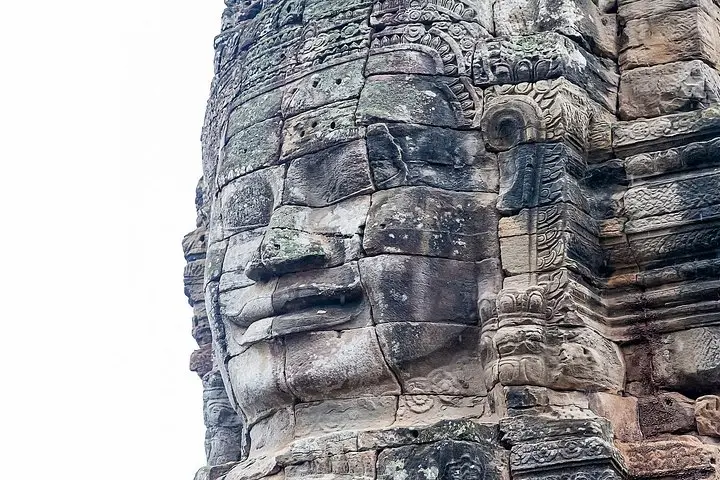
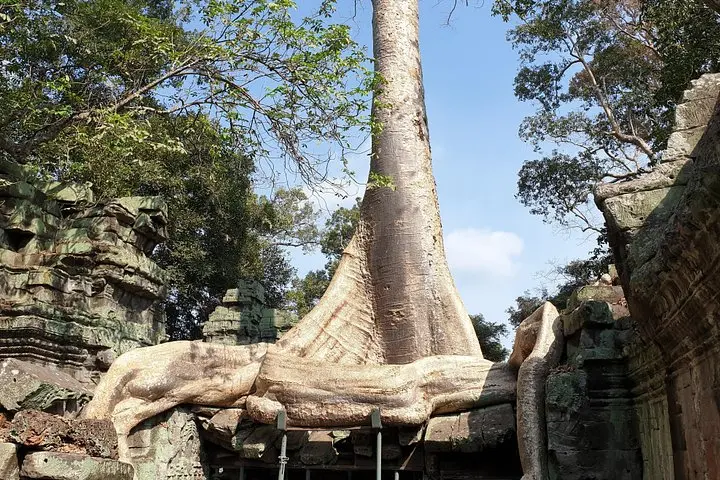
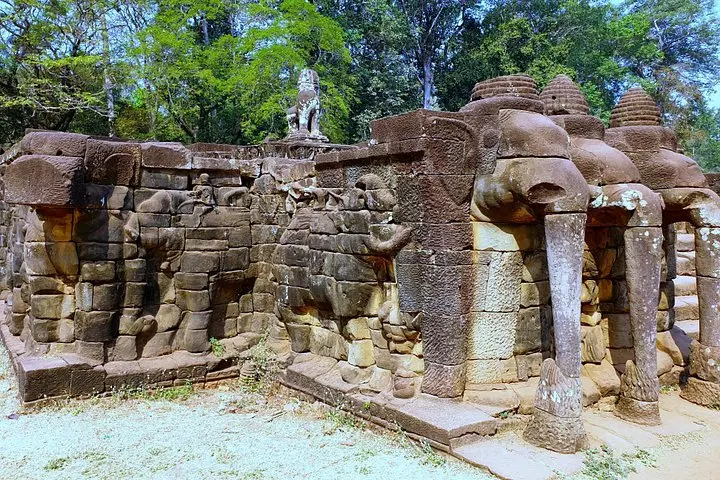
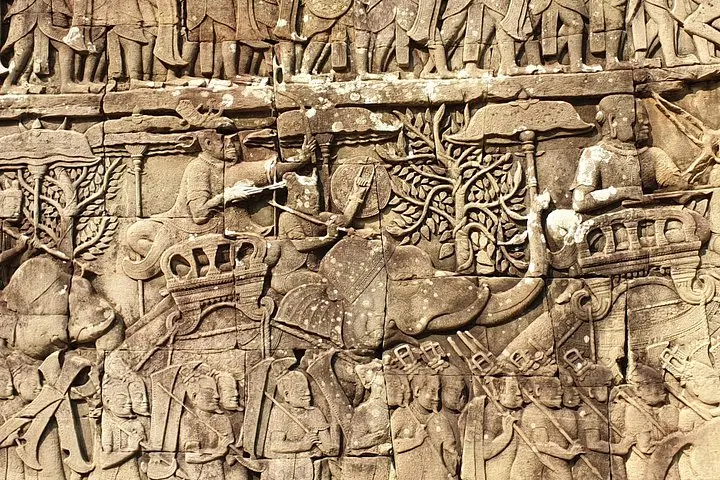
Morning light slices through towering sandstone spires as the tour van pulls up to the Angkor ticket office and you step toward one of the world’s largest religious monuments. The air carries the scent of wet earth and old stone; banyan roots loom like slow-moving architects across Ta Prohm’s galleries while the carved faces of Bayon watch the courtyard with deliberate calm. Guides translate bas-reliefs into stories of kings, battles and irrigation that shaped this landscape.
Morning light slices through towering sandstone spires as the tour van pulls up to the Angkor ticket office and you step toward one of the world’s largest religious monuments. The air carries the scent of wet earth and old stone; banyan roots loom like slow-moving architects across Ta Prohm’s galleries while the carved faces of Bayon watch the courtyard with deliberate calm. Guides translate bas-reliefs into stories of kings, battles and irrigation that shaped this landscape.
Angkor Wat was begun in the early 12th century under King Suryavarman II; Angkor Thom and the Bayon face towers came later under Jayavarman VII. The basin’s geology — a low-lying alluvial plain ringed by sandstone quarries — fed an extensive hydraulic system that sustained a dense urban population a millennium ago. Local culture today is threaded through temple conservation and village life in Siem Reap; APSARA Authority manages preservation while markets and rivershore cafés offer modern rhythms.
Practically, expect an 8–9 hour day with mostly flat walking, uneven stone steps and shaded corridors. Start early to avoid heat, carry a refillable water bottle and wear non-slip shoes; shoulders and knees should be covered for temple entry. Guides typically include lunch at a park restaurant and hotel pickup/drop-off in Siem Reap. Photography is abundant but drones and touching carvings are prohibited. Follow marked paths, listen to your guide during tighter temple passages, and leave time to stand quietly beneath Ta Prohm’s roots — the orchards and forests around Angkor still have a way of reminding visitors that stone, like history, keeps moving forward.