THE ADVENTURE COLLECTIVE® · Independent discovery and booking for outdoor travel

Cycle Angkor’s main temples before the crowds arrive. This private bike tour mixes quiet village lanes, jungle‑entwined ruins like Ta Prohm, and practical guide support for an efficient half‑day temple run.
Cycle Angkor’s main temples before the crowds arrive. This private bike tour mixes quiet village lanes, jungle‑entwined ruins like Ta Prohm, and practical guide support for an efficient half‑day temple run.
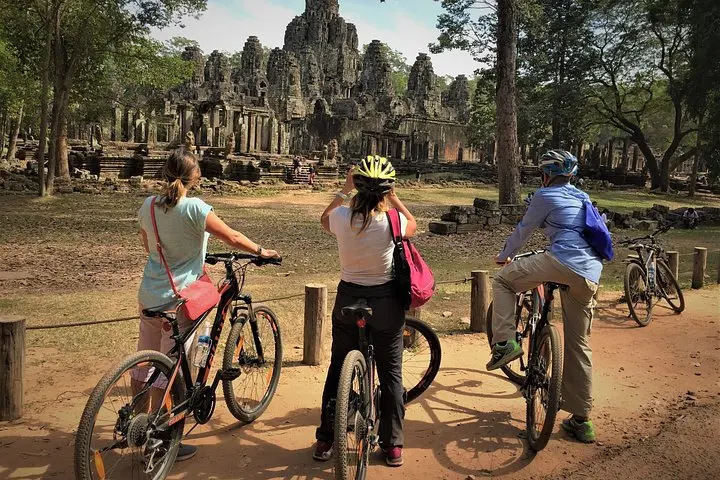
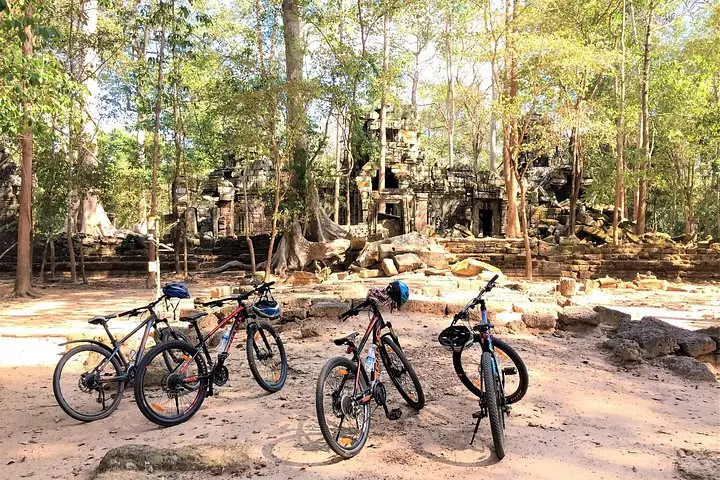
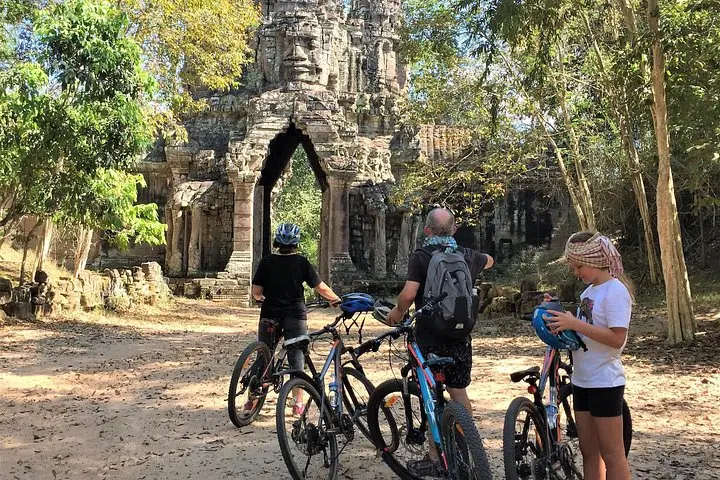
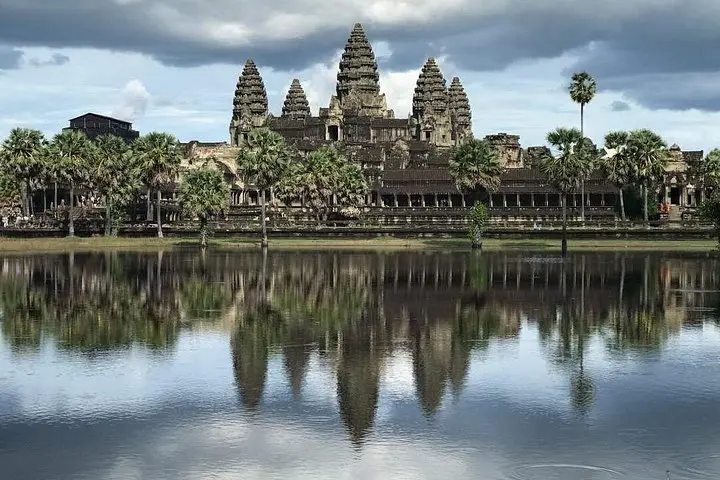
You push off on a narrow lane framed by tall palms; the morning air is humid and the temple stones ahead gradate from dark to gold as sunlight arrives. Bikes hum along compacted dirt and quiet village roads, a tuk‑tuk shadowing the group in case you need a lift. The route threads between Angkor Wat’s reflective moat, the overgrown trunks of Ta Prohm, and quieter gates where gods and demons line a stone causeway.
Verified experiences and guided adventures in the surrounding area.
Operated by Siem Reap Biking Tour · Siem Reap, Siem Reap Province
You push off on a narrow lane framed by tall palms; the morning air is humid and the temple stones ahead gradate from dark to gold as sunlight arrives. Bikes hum along compacted dirt and quiet village roads, a tuk‑tuk shadowing the group in case you need a lift. The route threads between Angkor Wat’s reflective moat, the overgrown trunks of Ta Prohm, and quieter gates where gods and demons line a stone causeway.
Angkor Wat was raised in the early 12th century by King Suryavarman II; its sandstone galleries record Hindu and later Buddhist devotion carved into bas‑relief. Geologically the site sits on a low, seasonally wet plain—trail surfaces alternate between packed earth, rutted traces, and paved temple walkways. Culture here is tangible: village life continues beside sacred monuments, wet‑market calls punctuate temple silence, and food stalls offer fresh fruit and grilled fish.
Expect 15–25 km of easy, mostly flat cycling with minimal elevation gain—stretches can be rough and muddy after rain. Start early to reduce heat and crowds; bring an Angkor pass (sold at the ticket center), carry water, and wear sun‑protective clothing. Respect temple rules: no climbing on bas‑reliefs, dress modestly, and move quietly in prayer areas. Helmets and a basic mechanical kit are sensible; guides will navigate backroads and choose photo stops for the best light.
If rain begins, guides commonly switch to main roads or use the tuk‑tuk follow vehicle. By midday you’ll have seen iconic faces, forested ruins that seem to reach for the sky, and stopped in village lanes where locals watch cyclists pass—an active, practical way to experience Angkor on two wheels.
Yes—entry to the Angkor Archaeological Park requires a valid Angkor pass, available at the official ticket center; bring it on the day of the tour.
The route is mostly flat and suitable for active beginners and older children, but expect several hours of riding; the operator offers a tuk‑tuk support vehicle if someone needs a lift.
In the rainy season guides will move portions of the route to main roads or use the tuk‑tuk follow vehicle to keep the group dry and safe on muddy trails.
Tipping local guides and drivers is customary if you were satisfied—small cash tips of a few dollars per person are typical and appreciated.
Siem Reap Biking Tour operates guided outdoor trips and adventures with an emphasis on safety, stewardship, and memorable experiences.
You push off on a narrow lane framed by tall palms; the morning air is humid and the temple stones ahead gradate from dark to gold as sunlight arrives. Bikes hum along compacted dirt and quiet village roads, a tuk‑tuk shadowing the group in case you need a lift. The route threads between Angkor Wat’s reflective moat, the overgrown trunks of Ta Prohm, and quieter gates where gods and demons line a stone causeway.
You push off on a narrow lane framed by tall palms; the morning air is humid and the temple stones ahead gradate from dark to gold as sunlight arrives. Bikes hum along compacted dirt and quiet village roads, a tuk‑tuk shadowing the group in case you need a lift. The route threads between Angkor Wat’s reflective moat, the overgrown trunks of Ta Prohm, and quieter gates where gods and demons line a stone causeway.
Angkor Wat was raised in the early 12th century by King Suryavarman II; its sandstone galleries record Hindu and later Buddhist devotion carved into bas‑relief. Geologically the site sits on a low, seasonally wet plain—trail surfaces alternate between packed earth, rutted traces, and paved temple walkways. Culture here is tangible: village life continues beside sacred monuments, wet‑market calls punctuate temple silence, and food stalls offer fresh fruit and grilled fish.
Expect 15–25 km of easy, mostly flat cycling with minimal elevation gain—stretches can be rough and muddy after rain. Start early to reduce heat and crowds; bring an Angkor pass (sold at the ticket center), carry water, and wear sun‑protective clothing. Respect temple rules: no climbing on bas‑reliefs, dress modestly, and move quietly in prayer areas. Helmets and a basic mechanical kit are sensible; guides will navigate backroads and choose photo stops for the best light.
If rain begins, guides commonly switch to main roads or use the tuk‑tuk follow vehicle. By midday you’ll have seen iconic faces, forested ruins that seem to reach for the sky, and stopped in village lanes where locals watch cyclists pass—an active, practical way to experience Angkor on two wheels.