THE ADVENTURE COLLECTIVE® · Independent discovery and booking for outdoor travel

Watch the sunrise over Angkor Wat, then tour Angkor Thom, the Bayon, and Ta Prohm with an English‑speaking guide. This small‑group, full‑day outing includes tuk‑tuk or minivan transport, hotel pickup, and practical advice for a confident visit.
Watch the sunrise over Angkor Wat, then tour Angkor Thom, the Bayon, and Ta Prohm with an English‑speaking guide. This small‑group, full‑day outing includes tuk‑tuk or minivan transport, hotel pickup, and practical advice for a confident visit.
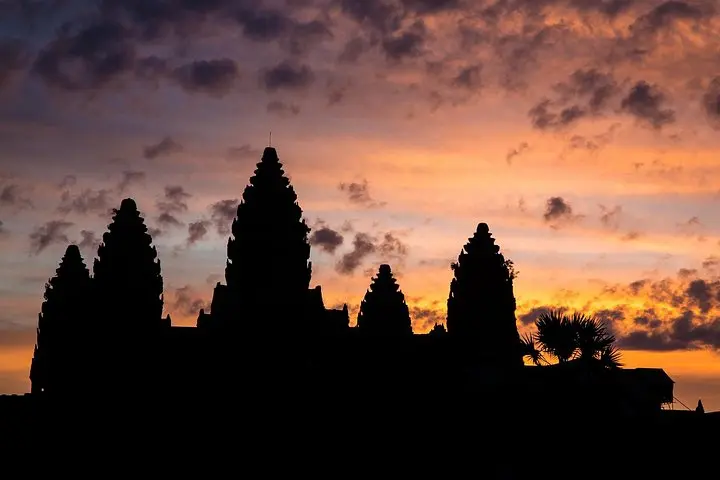
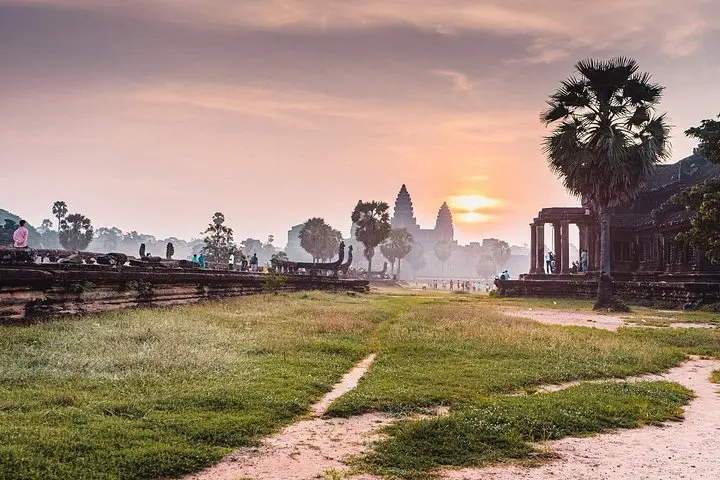
You step from the tuk‑tuk into pre‑dawn air and the world feels held—palace stones and a black moat, silhouettes sharpening as the sun leans up behind Angkor Wat’s central towers. The first light turns bas‑reliefs into long shadows; motes of dust and incense smoke float through carved galleries while a guide’s voice traces the stories cut into sandstone.
Verified experiences and guided adventures in the surrounding area.
Operated by Green Era Travel · Siem Reap, Siem Reap Province
You step from the tuk‑tuk into pre‑dawn air and the world feels held—palace stones and a black moat, silhouettes sharpening as the sun leans up behind Angkor Wat’s central towers. The first light turns bas‑reliefs into long shadows; motes of dust and incense smoke float through carved galleries while a guide’s voice traces the stories cut into sandstone.
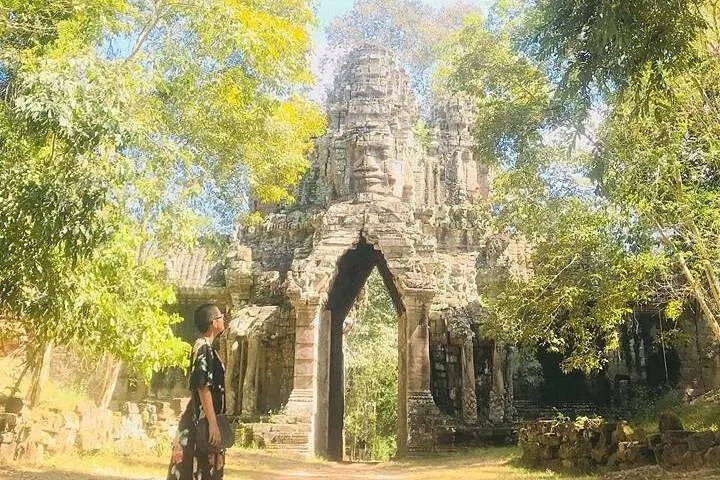
This full‑day small‑group itinerary pairs the iconic Angkor Wat sunrise with Angkor Thom’s scale and the Bayon’s many smiling faces, finishing through the root‑strangled corridors of Ta Prohm. Angkor Wat itself dates to the 12th century under King Suryavarman II and was designed as a cosmological map—its moat a stand‑in for the world’s oceans, the central towers echoing Mount Meru. The geology is soft sandstone laid over laterite foundations; the jungle and seasonal rains have a constant, erosive dialogue with the ruins.
Locals blend living Buddhist practice with heritage tourism; you’ll see monks, vendors, and conservation crews working on stabilization projects. Expect uneven stone stairways, tight passageways, and tree roots as architectural actors that both hold and pry apart ancient walls.
Practical guide: arrive ready to walk 4–6 km on packed earth and broken stone across the day, bring a packed breakfast (the tour continues after sunrise), carry at least 1.5 L water, and wear long trousers or a knee‑length skirt to respect temple dress codes. Flashlight and mosquito repellent are helpful for early pickup and shaded temple interiors. Plan for humidity and intermittent rain depending on season—early starts reduce heat and crowds and give the best light for photography.
Yes — entrance to Angkor Archaeological Park requires an official Angkor Pass, purchasable at the park ticket center; bring ID and cash or card where accepted.
Pickup is scheduled between about 4:20–5:20 AM to reach Angkor Wat for sunrise; your exact pickup time will be confirmed after booking.
Children aged 4+ are allowed but must be accompanied by an adult; the tour involves stairs and uneven terrain and is not recommended for travelers with serious spinal or heart problems.
Yes — the guide provides time for photography and exploration at each major stop, but the group stays on schedule, so free time is limited at peak sites.
Green Era Travel operates guided outdoor trips and adventures with an emphasis on safety, stewardship, and memorable experiences.

You step from the tuk‑tuk into pre‑dawn air and the world feels held—palace stones and a black moat, silhouettes sharpening as the sun leans up behind Angkor Wat’s central towers. The first light turns bas‑reliefs into long shadows; motes of dust and incense smoke float through carved galleries while a guide’s voice traces the stories cut into sandstone.
You step from the tuk‑tuk into pre‑dawn air and the world feels held—palace stones and a black moat, silhouettes sharpening as the sun leans up behind Angkor Wat’s central towers. The first light turns bas‑reliefs into long shadows; motes of dust and incense smoke float through carved galleries while a guide’s voice traces the stories cut into sandstone.
This full‑day small‑group itinerary pairs the iconic Angkor Wat sunrise with Angkor Thom’s scale and the Bayon’s many smiling faces, finishing through the root‑strangled corridors of Ta Prohm. Angkor Wat itself dates to the 12th century under King Suryavarman II and was designed as a cosmological map—its moat a stand‑in for the world’s oceans, the central towers echoing Mount Meru. The geology is soft sandstone laid over laterite foundations; the jungle and seasonal rains have a constant, erosive dialogue with the ruins.
Locals blend living Buddhist practice with heritage tourism; you’ll see monks, vendors, and conservation crews working on stabilization projects. Expect uneven stone stairways, tight passageways, and tree roots as architectural actors that both hold and pry apart ancient walls.
Practical guide: arrive ready to walk 4–6 km on packed earth and broken stone across the day, bring a packed breakfast (the tour continues after sunrise), carry at least 1.5 L water, and wear long trousers or a knee‑length skirt to respect temple dress codes. Flashlight and mosquito repellent are helpful for early pickup and shaded temple interiors. Plan for humidity and intermittent rain depending on season—early starts reduce heat and crowds and give the best light for photography.