THE ADVENTURE COLLECTIVE® · Independent discovery and booking for outdoor travel

Witness Angkor Wat at sunrise, explore Angkor Thom’s stone faces, then glide through Kampong Phluk’s flooded forest on Tonle Sap. This focused 1.5‑day tour balances early-morning temple exploration with an ecological boat cruise.
Witness Angkor Wat at sunrise, explore Angkor Thom’s stone faces, then glide through Kampong Phluk’s flooded forest on Tonle Sap. This focused 1.5‑day tour balances early-morning temple exploration with an ecological boat cruise.
Before dawn the sky over Angkor Wat is a bruise of indigo and copper, and the temple’s silhouette slides out of shadow as lantern-lighted corridors hold their breath.
Verified experiences and guided adventures in the surrounding area.
Operated by Journey Cambodia · Siem Reap, Siem Reap
Before dawn the sky over Angkor Wat is a bruise of indigo and copper, and the temple’s silhouette slides out of shadow as lantern-lighted corridors hold their breath.
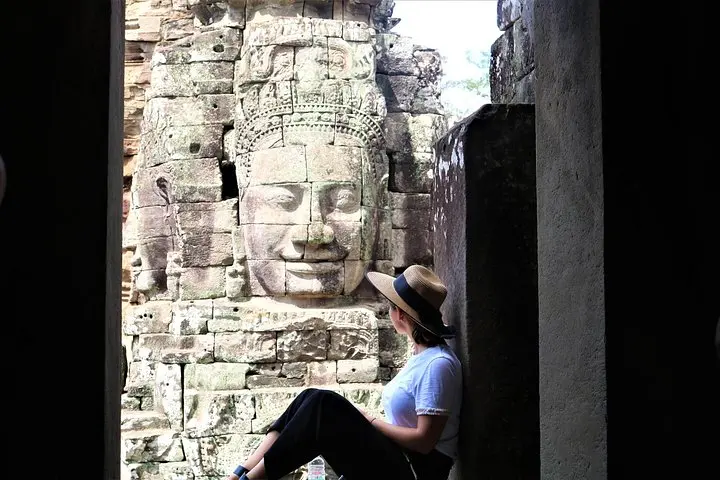
This 1.5-day tour launches with a pre-dawn pickup (around 4:10am) for sunrise at Angkor Wat, moving through quiet eastern approaches into the temple’s cloisters where one of the longest bas‑reliefs in the world quietly narrates the Khmer Empire’s rise. You’ll visit Angkor Thom and the Bayon with its oversized stone faces, pass the Terrace of the Leper King and Elephant Terrace, then walk Ta Prohm—where roots and masonry compete for vertical territory.
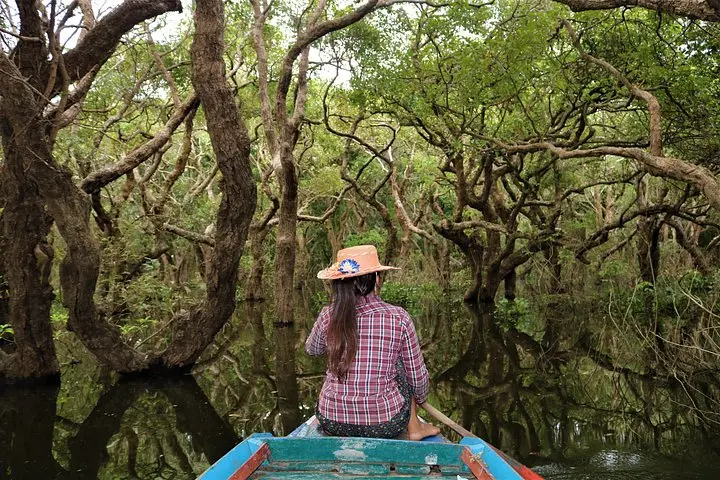
On day two the landscape shifts from carved stone to water: Tonle Sap, a UNESCO-recognized biosphere reserve, swells and recedes with the monsoon, supporting floating villages such as Kampong Phluk. Boats thread narrow forest channels, revealing stilt houses, fishing gear, and the rhythm of life tied to seasonal floodwaters.
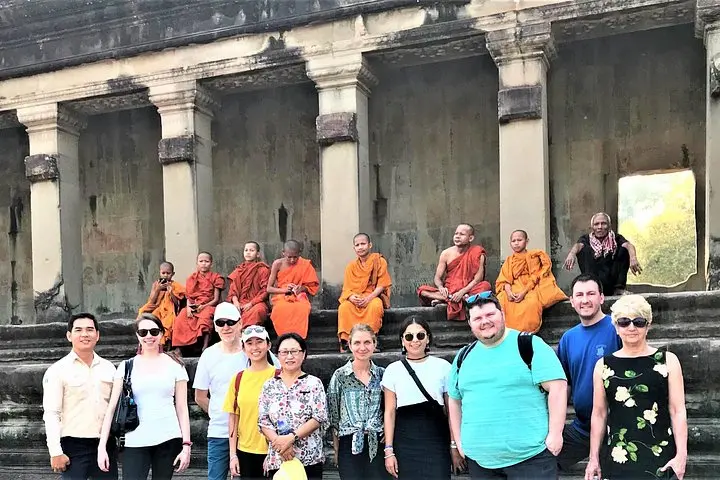
Practical notes: a Cambodian temple pass (approx. USD 37) is payable on the day; dress that covers knees and shoulders is required. The itinerary is low-impact but active—expect hours on foot and short boat rides; comfortable walking shoes, sun protection and insect repellent matter. Early starts mean you’ll experience the temples in cooler light and fewer crowds, but bring a light layer for pre‑dawn chill and a compact rain jacket in the wet season. Small-group pacing and an English-speaking guide keep the tour efficient: history, geology and local culture delivered with on-the-ground context so you leave informed, not rushed.
Pickup is typically around 4:10–4:30am depending on the season so you arrive before sunrise at the temple’s eastern approach.
A daily Angkor Pass is payable on the day (approximately USD 37 for a 1‑day pass); confirm the exact fee locally as it can change.
Yes—Tonle Sap is accessible year‑round, but the landscape changes dramatically: flooded forests and higher water in the wet season vs. exposed shorelines in the dry season.
The tour is family-friendly, but sites have uneven steps and boardwalks; those with limited mobility may find some temple areas challenging—check pickup accessibility when booking.
Journey Cambodia operates guided outdoor trips and adventures with an emphasis on safety, stewardship, and memorable experiences.
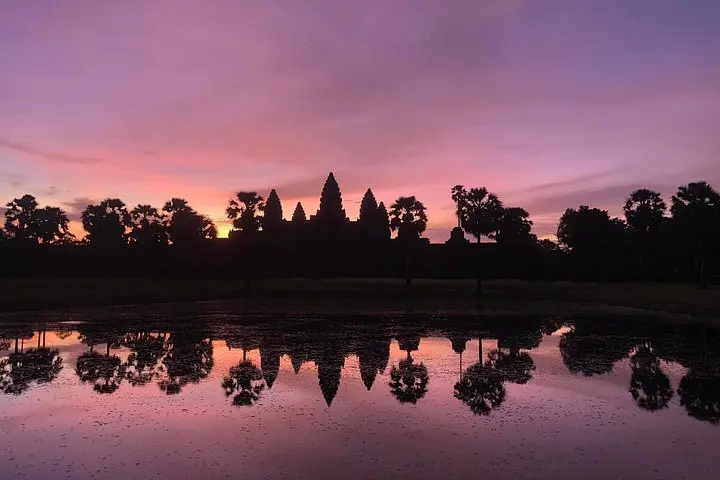
Before dawn the sky over Angkor Wat is a bruise of indigo and copper, and the temple’s silhouette slides out of shadow as lantern-lighted corridors hold their breath.
Before dawn the sky over Angkor Wat is a bruise of indigo and copper, and the temple’s silhouette slides out of shadow as lantern-lighted corridors hold their breath.
This 1.5-day tour launches with a pre-dawn pickup (around 4:10am) for sunrise at Angkor Wat, moving through quiet eastern approaches into the temple’s cloisters where one of the longest bas‑reliefs in the world quietly narrates the Khmer Empire’s rise. You’ll visit Angkor Thom and the Bayon with its oversized stone faces, pass the Terrace of the Leper King and Elephant Terrace, then walk Ta Prohm—where roots and masonry compete for vertical territory.
On day two the landscape shifts from carved stone to water: Tonle Sap, a UNESCO-recognized biosphere reserve, swells and recedes with the monsoon, supporting floating villages such as Kampong Phluk. Boats thread narrow forest channels, revealing stilt houses, fishing gear, and the rhythm of life tied to seasonal floodwaters.
Practical notes: a Cambodian temple pass (approx. USD 37) is payable on the day; dress that covers knees and shoulders is required. The itinerary is low-impact but active—expect hours on foot and short boat rides; comfortable walking shoes, sun protection and insect repellent matter. Early starts mean you’ll experience the temples in cooler light and fewer crowds, but bring a light layer for pre‑dawn chill and a compact rain jacket in the wet season. Small-group pacing and an English-speaking guide keep the tour efficient: history, geology and local culture delivered with on-the-ground context so you leave informed, not rushed.