THE ADVENTURE COLLECTIVE® · Independent discovery and booking for outdoor travel

Catch sunrise at Angkor Wat, weave through jungle‑entwined temples and cruise the flooded channels of Tonle Sap on a focused 2.5‑day outing. This compact tour pairs iconic temple mornings with a boat visit to working fishing villages and seasonal flooded forest.
Catch sunrise at Angkor Wat, weave through jungle‑entwined temples and cruise the flooded channels of Tonle Sap on a focused 2.5‑day outing. This compact tour pairs iconic temple mornings with a boat visit to working fishing villages and seasonal flooded forest.
Before dawn the stone pools outside Angkor Wat hold the sky: a low, humid air presses against the walking path, and the temple’s silhouette sharpens as the first light bleeds into reflection. On this 2.5‑day route you move from that slow, sacred morning into muddy channels of Tonle Sap, where stilt houses and flooded forest push and pull with Cambodia’s seasonal pulse.
Verified experiences and guided adventures in the surrounding area.
Operated by Journey Cambodia · Siem Reap, Siem Reap Province
Before dawn the stone pools outside Angkor Wat hold the sky: a low, humid air presses against the walking path, and the temple’s silhouette sharpens as the first light bleeds into reflection. On this 2.5‑day route you move from that slow, sacred morning into muddy channels of Tonle Sap, where stilt houses and flooded forest push and pull with Cambodia’s seasonal pulse.
The Angkor complex dates to the Khmer Empire; Angkor Wat itself was finished in the early 12th century under Suryavarman II and is built from sandstone quarried and raised with remarkable engineering. Geologically, the plains around Siem Reap collect water from the Tonle Sap system: the lake swells from roughly 2,500 km² in the dry season to about 12,000 km² in the wet. Culturally you’ll pass Buddhist shrines, orchards, and fishing villages where boats are lifeblood.
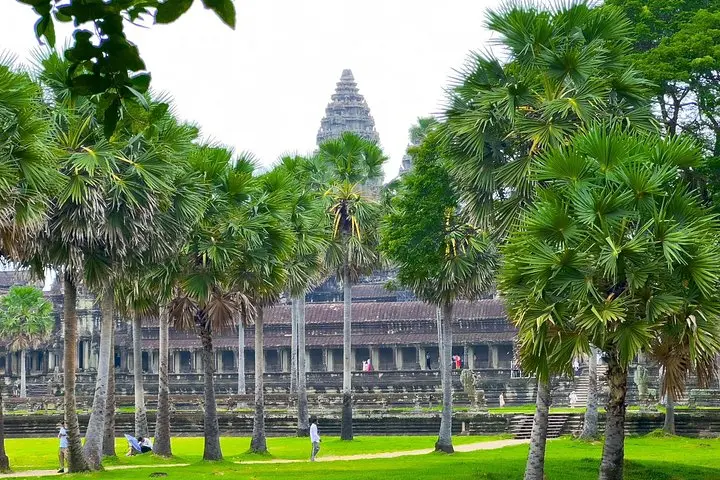
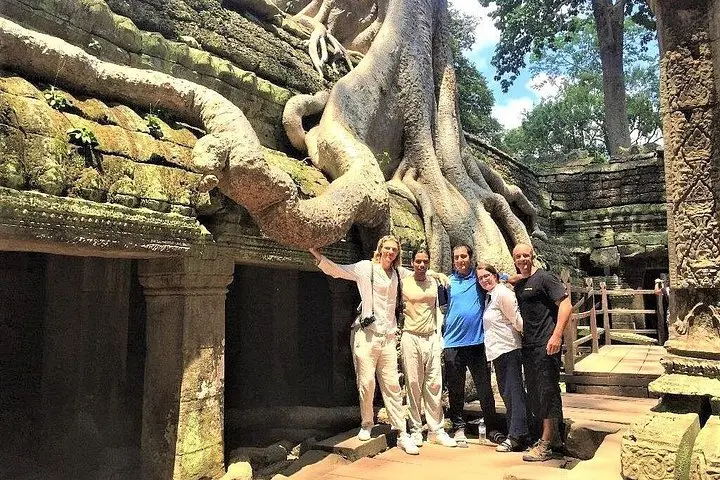
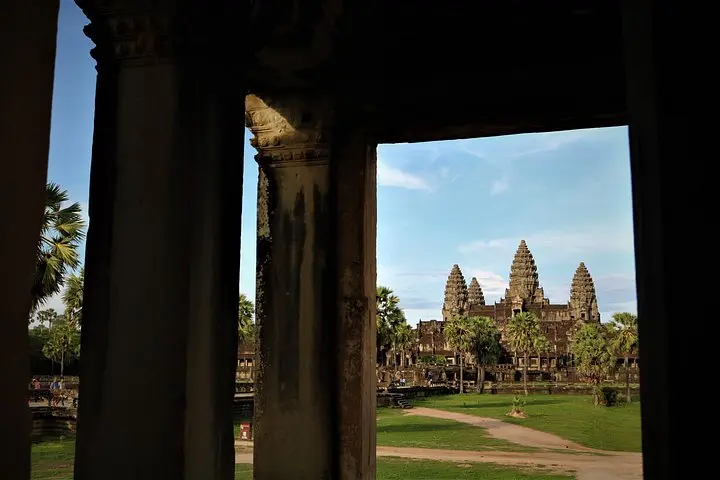
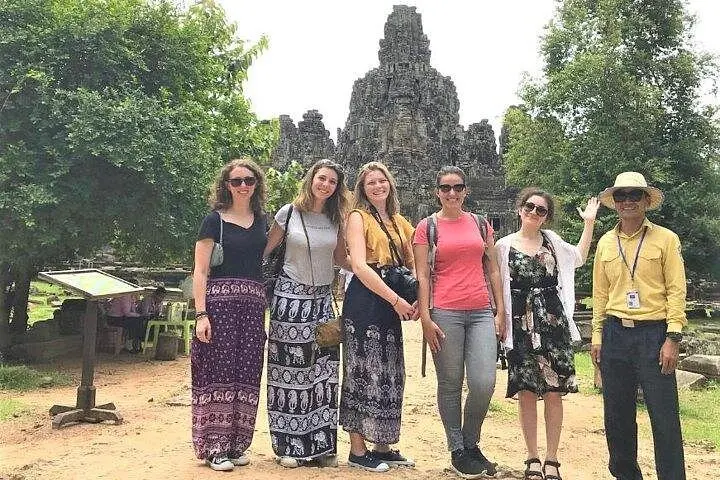
Expect guided visits to Angkor Wat at sunrise, Bayon’s carved faces, Ta Prohm’s tree-root ruins, Banteay Srei’s pink sandstone reliefs, and a Kampong Phluk boat cruise through flooded mangrove-like channels.
Practical guide: depart early for sunrise views; a 3‑hour pre-dawn leg is typical. Dress respectfully—shoulders and knees covered—and wear grippy shoes for slippery stone and uneven stairs. Bring sun protection, mosquito repellent, and a waterproof layer during monsoon months. Hydrate: long days in humid heat can sap energy quickly. On Tonle Sap, boat rides can be bumpy; keep belongings dry and carry cash for local lunches and donations to village projects.
This itinerary balances cultural intensity with low‑impact nature access, offering a compact, readable introduction to Angkor’s monuments and the living lake that surrounds them.
Yes—Angkor Archaeological Park requires a ticket which your tour usually arranges; bring ID for purchase and expect staff checks at entry.
Most operators depart pre-dawn (often 4:30–5:00am) to reach Angkor Wat before sunrise and avoid peak crowds.
Boat rides are commonly family-friendly but can be open-sided and wet; request child seats if needed and supervise kids closely.
Tipping is customary for good service—small amounts for guides and drivers are appreciated and help local livelihoods.
Journey Cambodia operates guided outdoor trips and adventures with an emphasis on safety, stewardship, and memorable experiences.
Before dawn the stone pools outside Angkor Wat hold the sky: a low, humid air presses against the walking path, and the temple’s silhouette sharpens as the first light bleeds into reflection. On this 2.5‑day route you move from that slow, sacred morning into muddy channels of Tonle Sap, where stilt houses and flooded forest push and pull with Cambodia’s seasonal pulse.
Before dawn the stone pools outside Angkor Wat hold the sky: a low, humid air presses against the walking path, and the temple’s silhouette sharpens as the first light bleeds into reflection. On this 2.5‑day route you move from that slow, sacred morning into muddy channels of Tonle Sap, where stilt houses and flooded forest push and pull with Cambodia’s seasonal pulse.
The Angkor complex dates to the Khmer Empire; Angkor Wat itself was finished in the early 12th century under Suryavarman II and is built from sandstone quarried and raised with remarkable engineering. Geologically, the plains around Siem Reap collect water from the Tonle Sap system: the lake swells from roughly 2,500 km² in the dry season to about 12,000 km² in the wet. Culturally you’ll pass Buddhist shrines, orchards, and fishing villages where boats are lifeblood.
Expect guided visits to Angkor Wat at sunrise, Bayon’s carved faces, Ta Prohm’s tree-root ruins, Banteay Srei’s pink sandstone reliefs, and a Kampong Phluk boat cruise through flooded mangrove-like channels.
Practical guide: depart early for sunrise views; a 3‑hour pre-dawn leg is typical. Dress respectfully—shoulders and knees covered—and wear grippy shoes for slippery stone and uneven stairs. Bring sun protection, mosquito repellent, and a waterproof layer during monsoon months. Hydrate: long days in humid heat can sap energy quickly. On Tonle Sap, boat rides can be bumpy; keep belongings dry and carry cash for local lunches and donations to village projects.
This itinerary balances cultural intensity with low‑impact nature access, offering a compact, readable introduction to Angkor’s monuments and the living lake that surrounds them.