THE ADVENTURE COLLECTIVE® · Independent discovery and booking for outdoor travel

Witness Angkor Wat at first light with a local guide, then spend the day temple‑hopping across Angkor Thom, Bayon and Ta Prohm. This private, pre‑dawn tour pairs historical insight with practical logistics—perfect for first‑time visitors who want to maximize an iconic sunrise experience.
Witness Angkor Wat at first light with a local guide, then spend the day temple‑hopping across Angkor Thom, Bayon and Ta Prohm. This private, pre‑dawn tour pairs historical insight with practical logistics—perfect for first‑time visitors who want to maximize an iconic sunrise experience.
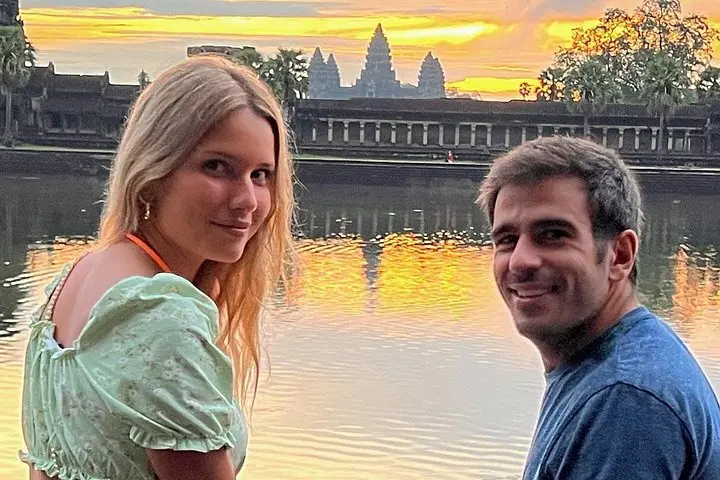
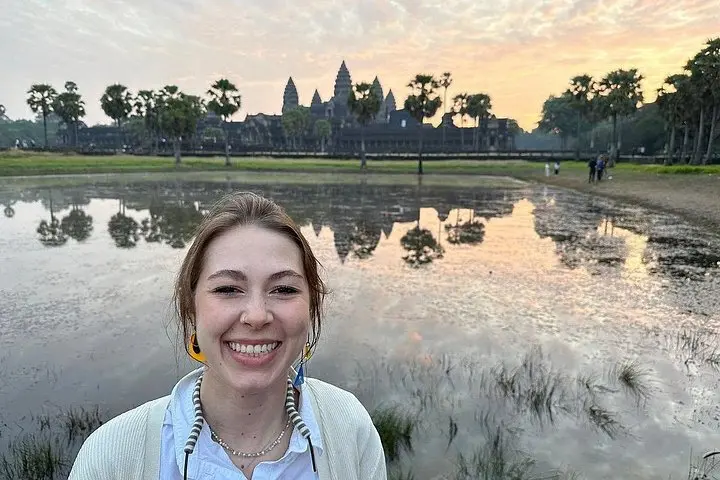
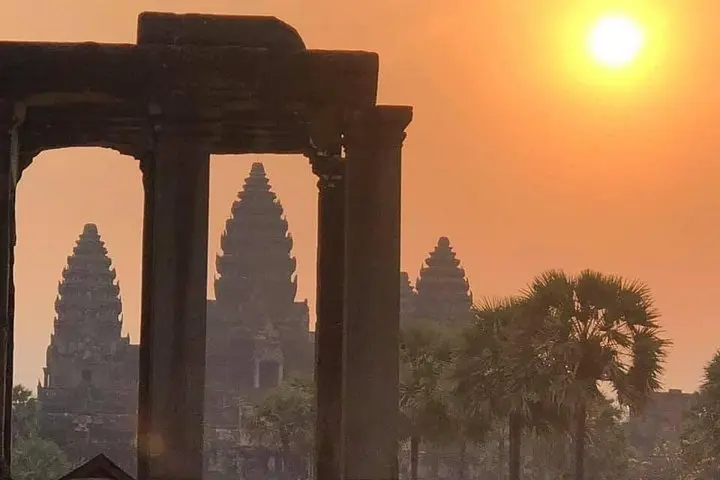
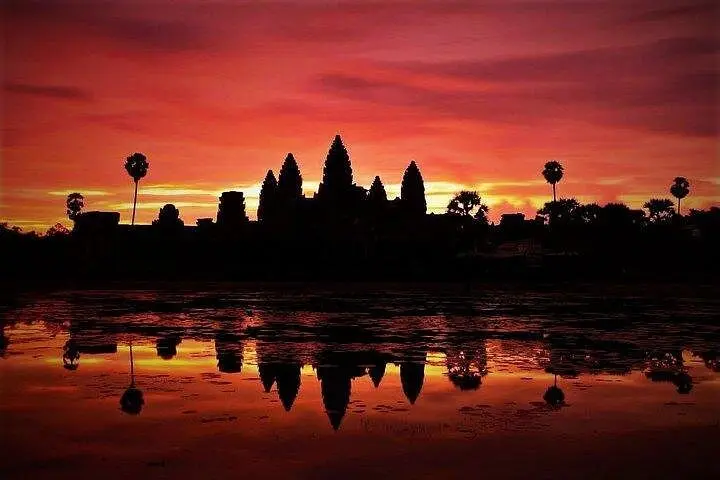
You arrive before the world wakes: the air is cool and humid, a line of palms and dark reflection pools framing the silhouette of Angkor Wat. The tour moves quietly—small groups, a licensed local guide, and the slow reveal of bas‑reliefs as first light slides over carved lintels. Standing at the western edge, you hear the stones as much as see them; the causeway dares you forward while the reflection pool pushes an echo of the temple back toward the sky.
Verified experiences and guided adventures in the surrounding area.
Operated by Journey Cambodia · Siem Reap, Siem Reap Province
You arrive before the world wakes: the air is cool and humid, a line of palms and dark reflection pools framing the silhouette of Angkor Wat. The tour moves quietly—small groups, a licensed local guide, and the slow reveal of bas‑reliefs as first light slides over carved lintels. Standing at the western edge, you hear the stones as much as see them; the causeway dares you forward while the reflection pool pushes an echo of the temple back toward the sky.
Angkor was the heart of the Khmer Empire from the 9th to the 13th centuries; Angkor Wat itself began as a Hindu temple dedicated to Vishnu and later became a Buddhist site. The geology here—sandstone blocks set on a buried laterite foundation—contributed to both its monumentality and the conservation challenges that followed centuries of jungle and monsoon.
Your guide threads history and local lore between stops: the carved narrative of the Churning of the Ocean at the South Gate, the towered faces of Bayon, and the root-wrapped corridors of Ta Prohm where trees insist on reclaiming architecture.
Practical note: departures are pre‑dawn (around 4:30–4:45), and the day can stretch to eight hours. Wear comfortable walking shoes, dress respectfully (shoulders and knees covered), and bring sun protection and a refillable bottle; bottled water and an air‑conditioned vehicle are included. Plan for crowds at sunrise—stay patient for reflections—and keep to marked paths to protect fragile reliefs. With a solid guide, you’ll leave with a clearer picture of Angkor’s scale and the quiet energy of a site that still shapes Cambodia’s landscape and identity.
No—entrance tickets are purchased separately at the ticket center; cards are widely accepted and you can buy them just before sunrise.
Yes—the standard full‑day itinerary includes Bayon in Angkor Thom and Ta Prohm, along with multiple Angkor Wat viewpoints.
Yes—hotel pickup and drop‑off by an air‑conditioned vehicle are included in the tour price.
Very busy during high season; arriving at the designated pre‑dawn time improves your chance of quieter views and good reflection photos.
Journey Cambodia operates guided outdoor trips and adventures with an emphasis on safety, stewardship, and memorable experiences.
You arrive before the world wakes: the air is cool and humid, a line of palms and dark reflection pools framing the silhouette of Angkor Wat. The tour moves quietly—small groups, a licensed local guide, and the slow reveal of bas‑reliefs as first light slides over carved lintels. Standing at the western edge, you hear the stones as much as see them; the causeway dares you forward while the reflection pool pushes an echo of the temple back toward the sky.
You arrive before the world wakes: the air is cool and humid, a line of palms and dark reflection pools framing the silhouette of Angkor Wat. The tour moves quietly—small groups, a licensed local guide, and the slow reveal of bas‑reliefs as first light slides over carved lintels. Standing at the western edge, you hear the stones as much as see them; the causeway dares you forward while the reflection pool pushes an echo of the temple back toward the sky.
Angkor was the heart of the Khmer Empire from the 9th to the 13th centuries; Angkor Wat itself began as a Hindu temple dedicated to Vishnu and later became a Buddhist site. The geology here—sandstone blocks set on a buried laterite foundation—contributed to both its monumentality and the conservation challenges that followed centuries of jungle and monsoon.
Your guide threads history and local lore between stops: the carved narrative of the Churning of the Ocean at the South Gate, the towered faces of Bayon, and the root-wrapped corridors of Ta Prohm where trees insist on reclaiming architecture.
Practical note: departures are pre‑dawn (around 4:30–4:45), and the day can stretch to eight hours. Wear comfortable walking shoes, dress respectfully (shoulders and knees covered), and bring sun protection and a refillable bottle; bottled water and an air‑conditioned vehicle are included. Plan for crowds at sunrise—stay patient for reflections—and keep to marked paths to protect fragile reliefs. With a solid guide, you’ll leave with a clearer picture of Angkor’s scale and the quiet energy of a site that still shapes Cambodia’s landscape and identity.